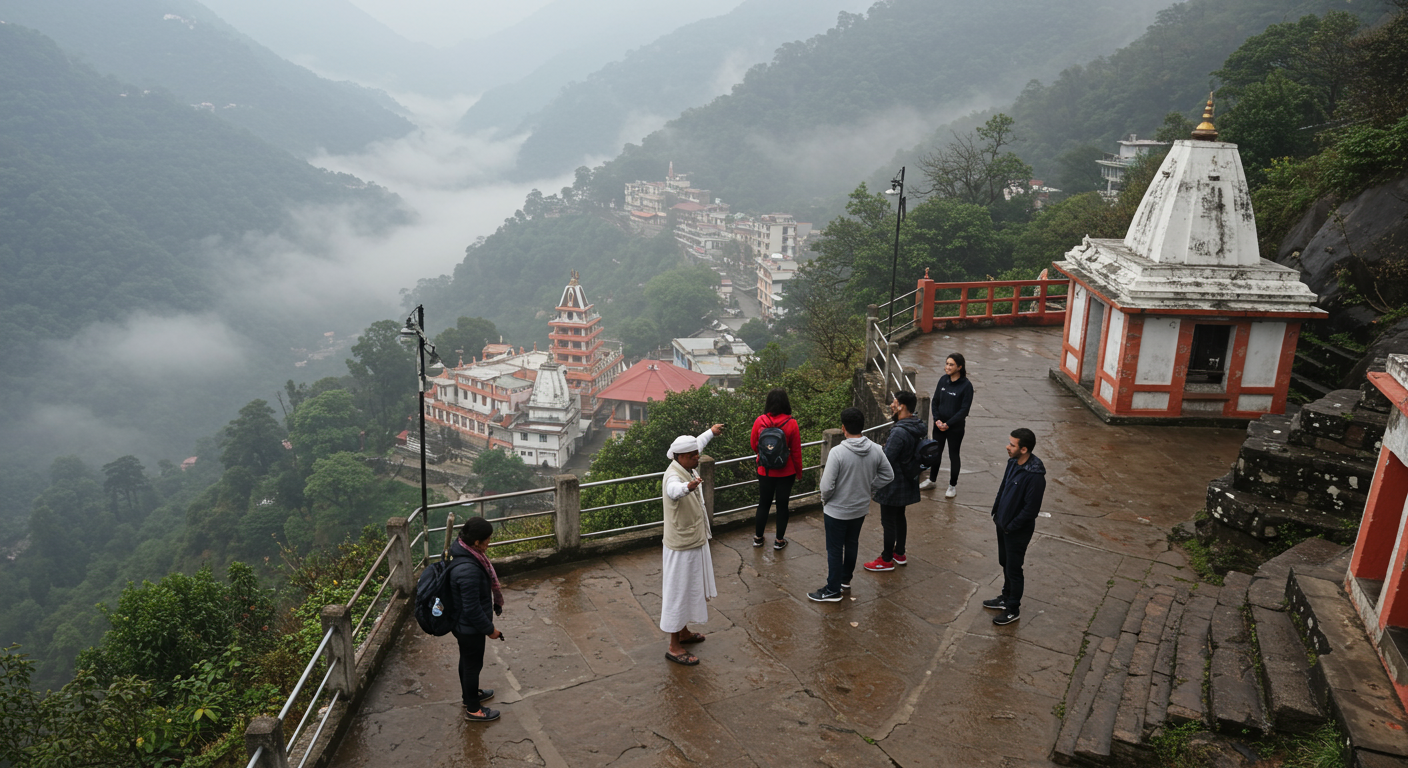
Embracing the Authentic explore all Rishikesh adventures on Bucketlistt Experience
Stepping into Rishikesh, many visitors are immediately drawn to its spiritual aura and adventurous spirit. But beyond the yoga ashrams and rafting rapids lies a vibrant heart, a tapestry woven with delicious vegetarian cuisine and profound local traditions. If you’re planning a trip in 2026, understanding the unique rishikesh food & local culture is paramount to truly connecting with this sacred town. Most travelers skim the surface, missing out on the rich, authentic experiences that truly define this Himalayan gateway. This guide aims to pull back the curtain, offering practical insights into the culinary landscape and cultural nuances that make Rishikesh so special.
From the bustling markets brimming with fresh produce to the serene ghats echoing with ancient chants, Rishikesh offers a sensory feast. This article will answer your pressing questions: What are the must-try dishes? Where can you find them? How can you participate in local customs respectfully? And what insider tips will elevate your experience of rishikesh food & local culture in rishikesh? Prepare to dive deep into the flavors and traditions that define this enchanting destination.
The Culinary Heartbeat: Exploring Rishikesh’s Vegetarian Delights
🏔️ Plan Your Rishikesh Adventure
Discover and book the best adventure activities, cultural experiences, and stays in Rishikesh — all verified, certified, and available with instant confirmation on Bucketlistt!
Rishikesh, being a holy city, is entirely vegetarian and alcohol-free, a detail that profoundly shapes its culinary identity. Far from being a limitation, this creates a fertile ground for diverse and incredibly flavorful plant-based dishes. The local cuisine is influenced by North Indian, Garhwali, and even Tibetan flavors, offering a delightful fusion that caters to all palates. Understanding this aspect of rishikesh food & local culture will truly enhance your visit.
What to Expect from Rishikesh’s Gastronomy
When you explore the food scene here, expect freshness and simplicity. Many eateries, especially the smaller ones, source ingredients locally, ensuring vibrant flavors. You’ll find everything from hearty North Indian thalis to light, refreshing fruit chaats. The emphasis is often on sattvic food – pure, wholesome, and easy to digest – aligning with the town’s spiritual ethos. Don’t be surprised to find cafes offering organic options and Ayurvedic preparations, reflecting the holistic approach to well-being that permeates the air in Rishikesh.
A typical meal might start with a refreshing lassi or fresh juice, followed by a main course of dal (lentils), sabzi (vegetable curry), roti (flatbread), and rice. Sweets like jalebi or gulab jamun are popular for dessert. The street food scene is also incredibly diverse, offering quick and delicious bites like aloo tikki, samosas, and pakoras. These are often prepared fresh right before your eyes, offering a truly authentic taste of the local culinary skills. For those seeking the best rishikesh food & local culture in rishikesh, starting with these staples is a must.
Who Is Rishikesh Food Culture Best For?
Rishikesh’s food culture is ideal for almost anyone. Vegetarians and vegans will find an abundance of choices, often with clear labeling in tourist-friendly establishments. Health-conscious travelers will appreciate the fresh ingredients and sattvic options. Budget travelers will rejoice at the affordability of delicious meals, with a hearty thali costing anywhere from 150-300 INR (approximately $1.80-$3.60 USD) at a local dhaba. Even those accustomed to non-vegetarian food will be pleasantly surprised by the variety and richness of the flavors. It’s a culinary journey that often converts skeptics, demonstrating that vegetarian food can be incredibly diverse and satisfying. The town’s unique approach to dining contributes significantly to the overall experience.
You might also be interested in: Read more about: Achieve New Heights: Unforgettable Trek …
“The true taste of Rishikesh isn’t just in its spices, but in the reverence with which every meal is prepared and shared. It’s a communal experience, reflecting the town’s deep spiritual roots.”
Navigating Rishikesh’s Local Traditions and Spiritual Practices
Beyond the plate, the local culture of Rishikesh is deeply intertwined with its spiritual heritage. This isn’t just a place to visit; it’s a place to experience, to participate, and to reflect. Understanding and respecting these traditions is key to a meaningful journey. The daily rhythms of the town are dictated by the Ganges, the ashrams, and the ancient customs that have been observed for centuries.
Participating in Local Rituals and Festivals
One of the most iconic experiences of local culture is the Ganga Aarti at Triveni Ghat or Parmarth Niketan. This mesmerizing fire ceremony, performed daily at dusk, is a powerful display of devotion to the sacred River Ganges. While thousands gather, finding a good spot an hour before sunset is advisable. Remember to dress modestly, cover your shoulders and knees, and remove your shoes before entering the ghat area. Participation is welcome, but quiet observation is also highly valued. This ritual is a cornerstone of rishikesh food & local culture in rishikesh, offering a profound spiritual connection.
Throughout the year, Rishikesh hosts various festivals, often centered around Hindu deities or seasonal changes. Shivratri, Diwali, and Holi are celebrated with great fervor. If your visit coincides with a festival, embrace the opportunity to witness vibrant processions, traditional music, and community feasts. Always be respectful, ask for permission before taking photos of individuals, and immerse yourself in the joyful atmosphere. These events offer a glimpse into the collective spirit that thrives across Rishikesh.
Respectful Engagement with the Community
Engaging respectfully with locals is crucial. A simple “Namaste” (a traditional Indian greeting) goes a long way. Many locals, particularly those working in tourism, speak English, but learning a few basic Hindi phrases like “Dhanyawad” (thank you) is always appreciated. Bargaining is common in markets, but do so politely and with a smile. Remember that Rishikesh is a holy town; maintaining a calm demeanor and avoiding loud conversations in sacred spaces reflects well on visitors. The local population cherishes their traditions, and your respect for them will open doors to more authentic interactions.
- Dress Modestly: Especially when visiting temples, ashrams, or participating in ceremonies.
- Remove Shoes: Before entering temples, ashrams, and sometimes even small shops or homes.
- Bargain Respectfully: In markets, but accept the final price with grace.
- Be Mindful of Noise: Maintain peace and quiet in spiritual areas.
- Ask Permission for Photos: Especially of people, before clicking.
Insider Tips for an Enriched Rishikesh Journey
To truly experience the depth of rishikesh food & local culture, you need more than just a guidebook; you need insider knowledge. Having traveled extensively through the region, I’ve gathered some invaluable tips that will transform your trip from good to unforgettable. These are the nuances that locals know and that often go unmentioned in standard travel itineraries. This section provides the kind of advice that experts in Rishikesh would offer, ensuring you make the most of your time.
You might also be interested in: Read more about: Elevating Your Bond: The Ultimate Guide …
Best Time to Visit and Seasonal Nuances
The best rishikesh food & local culture in rishikesh is arguably enjoyed during the cooler, drier months. My top recommendation for visiting Rishikesh is from October to March. During this period, the weather is pleasantly cool, perfect for exploring, attending outdoor events, and enjoying hot chai without the oppressive humidity of summer. The Ganges is also calmer, making it ideal for spiritual dips. April to June can be scorching, with temperatures soaring, making daytime exploration challenging. The monsoon season (July to September) brings lush greenery but also heavy rains and potential disruptions to travel and activities like rafting. Experiencing the vibrant atmosphere of Diwali or Shivratri in autumn or winter is a truly magical cultural immersion.
Underrated Gems and Local Secrets
While places like Triveni Ghat and Parmarth Niketan are essential, don’t miss the quieter, more profound spots. For a peaceful retreat, head to Vashishta Gufa (Cave), an ancient meditation cave on the banks of the Ganges. It’s a short drive from the main town and offers an incredibly serene atmosphere, far from the tourist crowds. Another hidden gem is Garud Chatti Waterfall, especially beautiful after the monsoon. It’s a relatively easy trek and provides a refreshing escape into nature, a perfect complement to the spiritual and culinary explorations. These less-frequented spots offer a more intimate connection with the region’s natural beauty and spiritual history.
Consider visiting a local ‘dhaba’ (roadside eatery) away from the main tourist hubs for an authentic culinary experience. They might not look fancy, but they often serve the most delicious and affordable home-style food. Look for places frequented by locals; that’s usually a sign of top-rated in Rishikesh food quality. Also, don’t shy away from engaging with local shopkeepers or sadhus (holy men) if they seem open to conversation – their insights into the local way of life can be incredibly enriching.
Planning Your Culinary and Cultural Immersion
Embarking on a journey to truly experience the rishikesh food & local culture requires a bit of thoughtful planning. From navigating the local transport to understanding the best places to eat, a little foresight goes a long way in ensuring a seamless and enriching trip. Here’s a practical step-by-step guide to help you prepare for your adventure in 2026.
Getting Around and Staying Safe
Rishikesh is well-connected by road, rail, and air. The nearest airport is Jolly Grant Airport (Dehradun, DED), about 35 km away. From there, taxis are readily available, costing around 1000-1500 INR. Rishikesh also has a railway station, but many prefer to arrive at Haridwar Junction (about 25 km away) which has better connectivity, and then take a taxi or auto-rickshaw to Rishikesh. Once in town, auto-rickshaws and shared tempos are the primary modes of transport, along with walking, which is often the best way to explore the ghats and markets. Always agree on the fare before starting your journey with an auto-rickshaw driver.
You might also be interested in: Explore Rishikesh Adventures on Bucketlistt
Safety is generally high, but always exercise common sense. Keep an eye on your belongings, especially in crowded areas like markets or during the Ganga Aarti. Drink only bottled water or water from reputable filtered sources. Be cautious when swimming in the Ganges; currents can be strong, especially after monsoon. For solo female travelers, it’s advisable to avoid walking alone late at night in dimly lit areas. Always trust your instincts.
- Book Accommodation in Advance: Especially during peak season (Oct-March) or festivals.
- Carry Cash: While many places accept digital payments, smaller shops and street vendors prefer cash.
- Stay Hydrated: Especially if visiting during warmer months.
- Be Aware of Monkeys: They are common in Rishikesh; avoid carrying food openly and never provoke them.
- Respect Wildlife: Rishikesh is close to forests; occasionally you might see wild animals, maintain a safe distance.
Budgeting for Your Cultural Exploration
Rishikesh can be very affordable, making it accessible to a wide range of travelers. Here’s a general cost breakdown for a mid-range traveler per day (as of 2026):
- Accommodation: Guesthouses or budget hotels can range from 800-2500 INR ($10-$30 USD) per night. Ashrams often offer basic accommodation for a donation or a very nominal fee.
- Food: Eating at local dhabas and cafes, expect to spend 400-800 INR ($5-$10 USD) per day for three meals. Fancier cafes might cost more.
- Local Transport: Auto-rickshaws for short distances typically cost 50-150 INR. Shared tempos are even cheaper, often 10-30 INR per ride.
- Activities: Yoga classes can range from 200-500 INR per session. Rafting packages start from 800-1500 INR depending on the stretch. Entry to places like The Beatles Ashram is around 600 INR for foreigners.
Overall, a comfortable daily budget, excluding major splurges, could be around 2000-4000 INR ($25-$50 USD) for a solo traveler. This allows for comfortable accommodation, delicious food, and participation in a few activities, ensuring a fulfilling experience of rishikesh food & local culture without breaking the bank.
Exploring the unique fusion of spiritual practices, traditional cuisine, and vibrant community life in Rishikesh is a journey of discovery. The town’s commitment to vegetarianism and its rich spiritual heritage provide a backdrop for truly authentic encounters. Whether you’re savoring a fresh thali, meditating in an ancient cave, or witnessing the Ganga Aarti, every moment contributes to a deeper understanding of this sacred destination. Remember to respect local customs, engage with an open heart, and allow yourself to be immersed in the peaceful yet energetic rhythm of life here. Your adventure into the best rishikesh food & local culture in rishikesh awaits.
Rishikesh is one of those rare destinations that genuinely delivers on its reputation — whether you come for the adrenaline, the spirituality, or simply to sit by the Ganga and think. This guide covered best rishikesh food & local culture in rishikesh, rishikesh food & local culture, rishikesh food & local culture in rishikesh, giving you the practical knowledge to plan a memorable visit. If you want a curated list of verified operators and activity packages, you can browse options on Bucketlistt.
Frequently Asked Questions about Rishikesh Food & Local Culture
What are the must-try vegetarian dishes in Rishikesh?
You absolutely must try the traditional North Indian Thali, which offers a variety of dishes. Also, sample Aloo Puri, Chole Bhature, and the fresh fruit chaat. For sweets, don’t miss the hot Jalebis, which are a delightful part of the rishikesh food & local culture.
Is alcohol allowed in Rishikesh?
No, Rishikesh is a holy city and is strictly vegetarian and alcohol-free. You will not find any shops selling alcohol or restaurants serving non-vegetarian food anywhere in Rishikesh. This policy significantly shapes the local atmosphere.
What is the Ganga Aarti, and where can I experience it?
The Ganga Aarti is a spiritual fire ritual performed daily at sunset to worship the River Ganges. The most popular locations to experience this mesmerizing ceremony are Triveni Ghat and Parmarth Niketan. It’s a central part of the spiritual rishikesh food & local culture.
Are there specific dress codes for visiting temples or ashrams?
Yes, it’s respectful to dress modestly when visiting spiritual sites like temples and ashrams. This generally means covering your shoulders and knees. Loose-fitting, comfortable clothing is ideal for navigating the spiritual landscape of Rishikesh.
Can I find organic and healthy food options in Rishikesh?
Absolutely. Rishikesh has a growing number of cafes and eateries that specialize in organic, Ayurvedic, and health-conscious vegetarian meals. Many focus on fresh, locally sourced ingredients, reflecting the wellness aspect of rishikesh food & local culture in rishikesh.
What local market experiences should I seek out?
Explore the local markets near Lakshman Jhula and Ram Jhula for spices, herbs, spiritual items, and handicrafts. These markets offer a vibrant glimpse into daily life and are perfect for finding unique souvenirs related to Rishikesh’s culture.
How can I respectfully interact with locals and participate in their traditions?
Start with a “Namaste,” dress modestly, and always ask permission before taking photos. Observe local customs, especially during ceremonies, and maintain a quiet demeanor in sacred spaces. Your respect for their traditions will be greatly appreciated by the community.
Are there any cooking classes available to learn about Rishikesh food?
Yes, several ashrams and guesthouses offer vegetarian cooking classes where you can learn to prepare traditional Indian and Ayurvedic dishes. This is an excellent way to deepen your understanding and appreciation for the local rishikesh food & local culture.
Your Unforgettable Rishikesh Journey Awaits
As you plan your adventure to this spiritual haven, remember that the true magic of Rishikesh lies not just in its iconic landmarks, but in the everyday rhythms of its rishikesh food & local culture. Embrace the vibrant flavors, participate in the ancient rituals, and connect with the warm-hearted locals. These are the experiences that will etch themselves into your memory, offering a profound sense of peace and discovery.