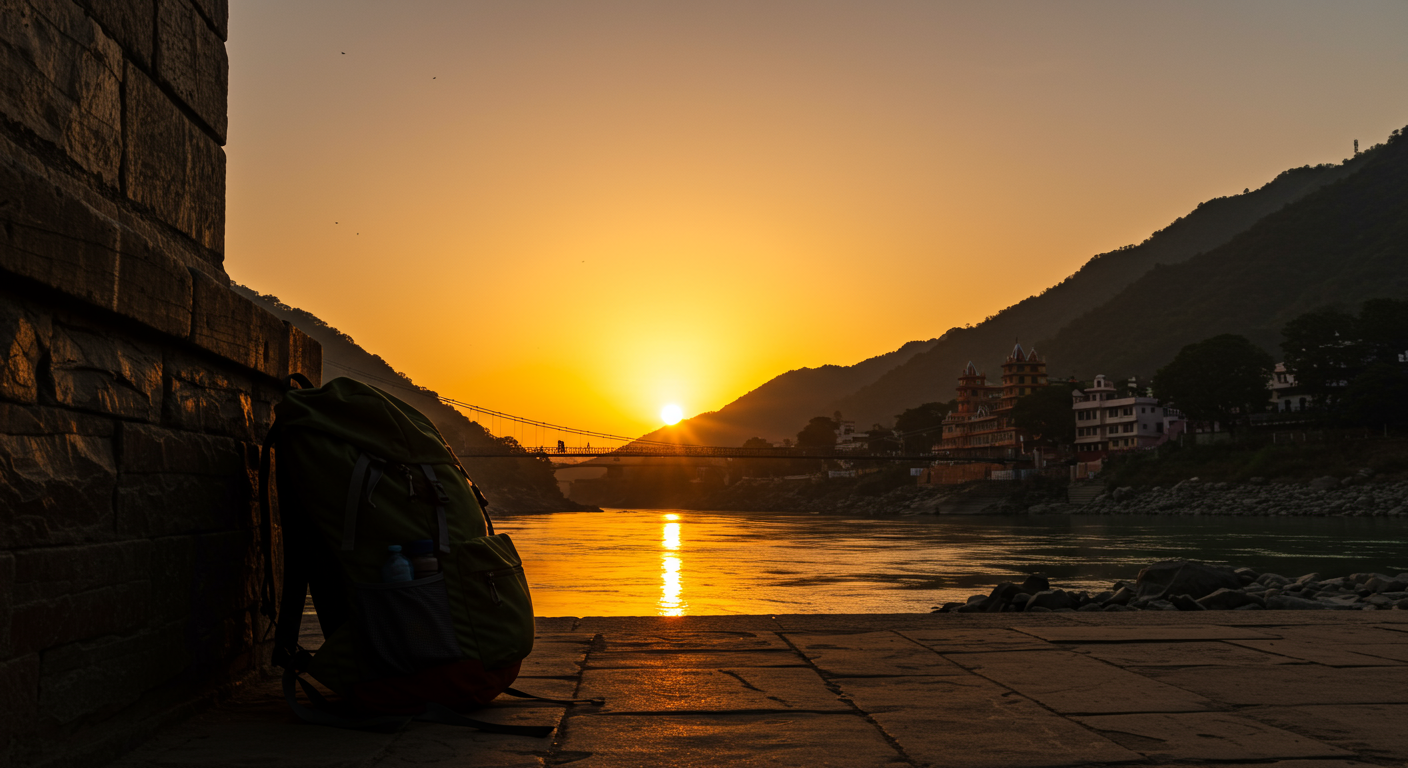
The air in Rishikesh hums with a unique energy, a blend of ancient spirituality and the adrenaline rush of the Himalayas. Most travellers arrive with a vague idea of yoga and meditation, but few truly grasp the multifaceted magic of this sacred town nestled along the banks of the Ganges. Imagine the crisp morning air, the gentle murmur of the river, and the distant chanting from ashrams – this is the symphony that greets you. Planning a trip here requires more than just booking a flight; it involves understanding the rhythm of the place, its hidden gems, and the practicalities that ensure a smooth and enriching experience. This guide is your compass, designed to equip you with comprehensive rishikesh travel tips & planning advice, ensuring your journey is as seamless as it is profound.
Whether you’re drawn by the call of yoga retreats, the thrill of white-water rafting, or simply the desire to connect with a deeply spiritual atmosphere, this article will answer your burning questions. We’ll delve into the best times to visit, how to navigate the town, what to pack, and how to uncover experiences that go beyond the typical tourist trail. Get ready to discover the secrets of a truly superior visitor experience in this enchanting corner of Uttarakhand.
Understanding the Soul of Rishikesh: More Than Just a Yoga Hub
When people think of Rishikesh, the immediate association is often with yoga and meditation. While it is undeniably the “Yoga Capital of the World,” this moniker only scratches the surface of what the town offers. Rishikesh is a vibrant tapestry woven with threads of spirituality, adventure, and natural beauty. It’s a place where pilgrims come to seek solace and enlightenment, and adventurers come to conquer the mighty Ganges. The spiritual significance dates back centuries, with numerous ashrams and temples dotting the landscape, each with its own story and aura. Simultaneously, the surrounding foothills of the Himalayas provide a dramatic backdrop for thrilling activities like river rafting, trekking, and camping. Understanding this duality is key to appreciating the full spectrum of experiences available.
What Makes Rishikesh Unique?
The sheer concentration of ashrams and spiritual centres is unparalleled, attracting seekers from across the globe. You can witness the Ganga Aarti ceremony at Triveni Ghat or Parmarth Niketan, a mesmerizing ritual of light, sound, and devotion that leaves an indelible mark on your soul. Beyond spirituality, the town is a gateway to adventure. The rapids of the Ganges offer exhilarating challenges for rafters of all levels, from gentle floats to heart-pounding descents. The natural beauty is equally captivating, with the sacred river flowing through a picturesque valley, flanked by lush green hills. This potent combination of spiritual serenity and adventurous spirit is what truly sets Rishikesh apart. It’s a place where you can find inner peace in the morning and adrenaline-pumping excitement in the afternoon.
Who Is Rishikesh For?
Rishikesh appeals to a remarkably diverse crowd. Spiritual seekers will find a haven for introspection, learning, and deepening their practice. Yoga enthusiasts will be in paradise with countless schools and styles to explore. Adventure lovers will revel in the white-water rafting, bungee jumping, and trekking opportunities. Nature lovers will be captivated by the scenic beauty of the waterfalls and the Ganges. Even those simply looking for a peaceful escape from the chaos of city life will find solace here. It’s a destination that caters to the soul, the body, and the spirit, making it a truly inclusive travel experience. Many travellers find that the best rishikesh travel tips & planning are those that help them balance these diverse interests.
You might also be interested in: Read more about: Experience the Thrill: Giant Swing & …
Navigating Your Journey: Essential Rishikesh Travel Tips & Planning
🌊 Book River Rafting in Rishikesh
Experience the thrill of white-water rafting with certified guides and a 100% safety record. Choose from 9km to 36km routes — instant confirmation guaranteed!
Successfully planning your explore all Rishikesh adventures on Bucketlistt involves understanding the practical aspects that will make your journey smooth and enjoyable. From getting there to getting around and what to pack, these details are crucial for a stress-free adventure. The town is well-connected, but knowing the best routes and modes of transport will save you time and hassle. Packing appropriately for the varied climate and activities is also paramount. This section will cover the essential rishikesh travel tips & planning to ensure you’re fully prepared.
Getting To and Around Rishikesh
The nearest major airport is Jolly Grant Airport (DED) in Dehradun, about 20-30 km away. From the airport, you can hire a pre-paid taxi or take a shared cab to Rishikesh. Many travellers also opt to reach by train, with Haridwar railway station being the closest major hub, approximately 20 km from Rishikesh. From Haridwar, taxis and local buses are readily available. For those coming from Delhi, overnight buses are a popular and economical option, taking around 6-8 hours. Once you are in Rishikesh, auto-rickshaws and cycle-rickshaws are the primary modes of local transport for short distances. For longer journeys within the town or to nearby attractions, taxis can be hired. Many areas, especially around Laxman Jhula and Ram Jhula, are best explored on foot, allowing you to soak in the atmosphere.
What to Pack and When to Visit
The best time to visit Rishikesh is generally from March to June (spring/summer) and from September to November (autumn). During these periods, the weather is pleasant, ideal for both spiritual pursuits and outdoor activities. The monsoon season (July to August) brings heavy rainfall, which can disrupt travel and outdoor plans, though the lush greenery is a sight to behold. Winters (December to February) can be quite chilly, especially in the mornings and evenings, with temperatures dropping to single digits Celsius. If you visit during winter, pack warm layers, including sweaters, jackets, and mufflers. For other seasons, light cotton clothing is recommended, along with comfortable walking shoes. Don’t forget essentials like sunscreen, a hat, insect repellent, a reusable water bottle, and any personal medications. If you plan on attending yoga classes, pack comfortable, breathable attire. For those considering rafting, quick-dry clothing is advisable.
Understanding Local Customs and Etiquette
Rishikesh is a holy city, and respecting local customs is important. Dress modestly, especially when visiting temples and ashrams. Avoid wearing revealing clothing. When participating in ceremonies like the Ganga Aarti, be respectful and observe the rituals quietly. It’s customary to remove your shoes before entering temples and ashrams. While bargaining is common in markets, do so politely. If you are offered prasad (blessed food), it is polite to accept it. Remember that the Ganges is considered sacred; avoid polluting it and refrain from swimming in areas with strong currents. Being mindful of these simple courtesies will enhance your interactions and ensure a more harmonious visit.
You might also be interested in: Read more about: Your Ultimate Guide to Rishikesh Camping…
Exploring the Wonders: Must-Visit Spots and Hidden Gems
Rishikesh is brimming with iconic landmarks and tranquil havens that cater to every kind of traveller. Beyond the well-trodden paths, there are also serene spots that offer a more intimate connection with nature and spirituality. Knowing where to go can significantly elevate your rishikesh travel tips & planning. Whether you’re seeking spiritual solace, breathtaking views, or a refreshing dip in nature’s bounty, this town has it all.
Iconic Landmarks You Can’t Miss
Laxman Jhula and Ram Jhula are the twin suspension bridges that have become synonymous with Rishikesh. These iconic structures offer stunning views of the Ganges and the surrounding hills, and they connect you to numerous temples and ashrams on either side of the river. Walking across them, especially during sunrise or sunset, is a memorable experience. A short drive from the main town leads you to the Beatles Ashram (Chaurasi Kutia). This sprawling, now-abandoned ashram gained fame when The Beatles visited in 1968. Today, it’s a serene spot adorned with vibrant graffiti art, offering a unique blend of history and contemporary expression. The peaceful atmosphere amidst the ruins makes it a perfect place for quiet reflection or photography.
Chasing Waterfalls: From Famous to Secluded
For those who love nature’s spectacle, the waterfalls near Rishikesh are a must-visit. The most popular is Neer Garh Waterfall, accessible via a short, pleasant hike. It’s a series of three beautiful cascades where you can enjoy a refreshing dip. The path to the waterfall is scenic, offering glimpses of local flora and fauna. For a more secluded experience, head to Patna Waterfall. Reaching it involves a trek through dense forest, rewarding you with a serene, untouched natural setting. It’s a perfect spot for those seeking peace away from the crowds. Another hidden gem is Garud Chatti Waterfall, located on the road leading to the Neelkanth Mahadev Temple. It’s less frequented, offering a tranquil escape amidst lush greenery. These natural wonders are often highlighted in best rishikesh travel tips & planning guides for their sheer beauty and serenity.
Insider Secrets: Elevating Your Rishikesh Experience
To truly immerse yourself in the spirit of Rishikesh, it’s essential to go beyond the guidebook and tap into local knowledge. These insider tips can transform a good trip into an exceptional one, offering insights that many tourists miss. When considering your rishikesh travel tips & planning, incorporating these local secrets will undoubtedly enhance your journey.
You might also be interested in: Explore Rishikesh Adventures on Bucketlistt
Embracing the Local Flavours and Rhythms
One of the most rewarding ways to experience Rishikesh is through its food. While many cafes offer international cuisine, don’t miss out on authentic Indian dishes. Try local thalis for a diverse taste of regional flavours, or indulge in street food like samosas and kachoris from reputable vendors. For an authentic experience, visit a local ‘dhabha’ for simple, delicious, and affordable meals. The Ganga Aarti at Parmarth Niketan is a powerful spiritual experience, but consider attending the one at Triveni Ghat for a more local and less crowded affair, especially on evenings when it’s not a major tourist event. Waking up early to witness the sunrise over the Ganges is a transformative experience; the town has a different, more serene energy before the day’s bustle begins.
Beyond the Usual: Unique Activities and Experiences
Many travellers don’t realise the depth of experiences available. Consider taking a cooking class to learn the secrets of Indian cuisine, or participate in a pottery workshop. For a truly unique perspective, take a guided trek into the surrounding hills with a local guide who can share stories and knowledge about the region. If you’re interested in yoga, explore different styles beyond the basic Hatha; Ashtanga, Vinyasa, and Iyengar yoga are widely taught. For adrenaline junkies, beyond rafting, consider cliff jumping or zip-lining for an extra thrill. The best quality in Rishikesh for these activities comes from operators who prioritize safety and local expertise. Many experts in Rishikesh can guide you to these less-explored avenues, ensuring a memorable and safe adventure.
“Don’t just tick off the famous spots. Spend time simply sitting by the Ganges, observing the flow of life, and listening to the sounds. That’s where the real magic of Rishikesh unfolds.”
Essential Rishikesh Travel Checklist
- Book activity slots 2–3 days in advance during peak season (Oct–Nov and Mar–May)
- Wear athletic, quick-dry clothing and closed-toe shoes for all outdoor activities
- Carry a government-issued photo ID — required at most activity centres
- Disclose any medical conditions before signing the activity consent form
- Confirm whether video coverage is included or costs extra before booking
- Respect Rishikesh’s spiritual atmosphere — alcohol is prohibited within the city limits
- Carry cash (INR) for small vendors, auto-rickshaws, and local eateries
Rishikesh is one of those rare destinations that genuinely delivers on its reputation — whether you come for the adrenaline, the spirituality, or simply to sit by the Ganga and think. This guide covered best rishikesh travel tips & planning in rishikesh, rishikesh travel tips & planning, rishikesh travel tips & planning in rishikesh, giving you the practical knowledge to plan a memorable visit. If you want a curated list of verified operators and activity packages, you can browse options on Bucketlistt.
Frequently Asked Questions about Rishikesh Travel
Frequently Asked Questions about Rishikesh Travel Tips & Planning
What is the best time of year to visit Rishikesh?
The ideal times to visit Rishikesh are from March to June for pleasant weather and from September to November for a comfortable autumn experience. Winters can be cold, while monsoons bring heavy rain.
How do I get from Delhi to Rishikesh?
You can reach Rishikesh from Delhi by overnight bus, which takes about 6-8 hours, or by taking a train to Haridwar and then a taxi or local bus to Rishikesh. Flights to Dehradun’s Jolly Grant Airport are also an option.
Is Rishikesh safe for solo female travellers?
Rishikesh is generally considered safe for solo female travellers, especially in the main tourist areas. It’s advisable to dress modestly, avoid walking alone late at night in isolated areas, and be aware of your surroundings.
What are the must-try adventure activities in Rishikesh?
The most popular adventure activities include white-water rafting on the Ganges, bungee jumping, zip-lining, and trekking in the nearby hills. Always choose reputable operators for safety.
What should I wear in Rishikesh?
Pack light cotton clothing for warmer months and warm layers for winter. Modest attire is recommended, especially when visiting temples and ashrams. Comfortable walking shoes are essential.
How much does a typical rafting trip cost in Rishikesh?
Rafting costs in Rishikesh vary depending on the distance and duration, typically ranging from INR 1,000 to INR 3,000 per person. It’s wise to compare prices and check reviews of operators.
Can I find vegetarian food easily in Rishikesh?
Absolutely. Rishikesh is known for its predominantly vegetarian cuisine, with most restaurants and cafes offering a wide array of delicious vegetarian and vegan options.
What are some less-crowded places to visit in Rishikesh?
For a more peaceful experience, consider visiting Patna Waterfall or Garud Chatti Waterfall, which are less frequented than Neer Garh. Exploring smaller, local ashrams away from the main tourist hubs can also offer tranquility.