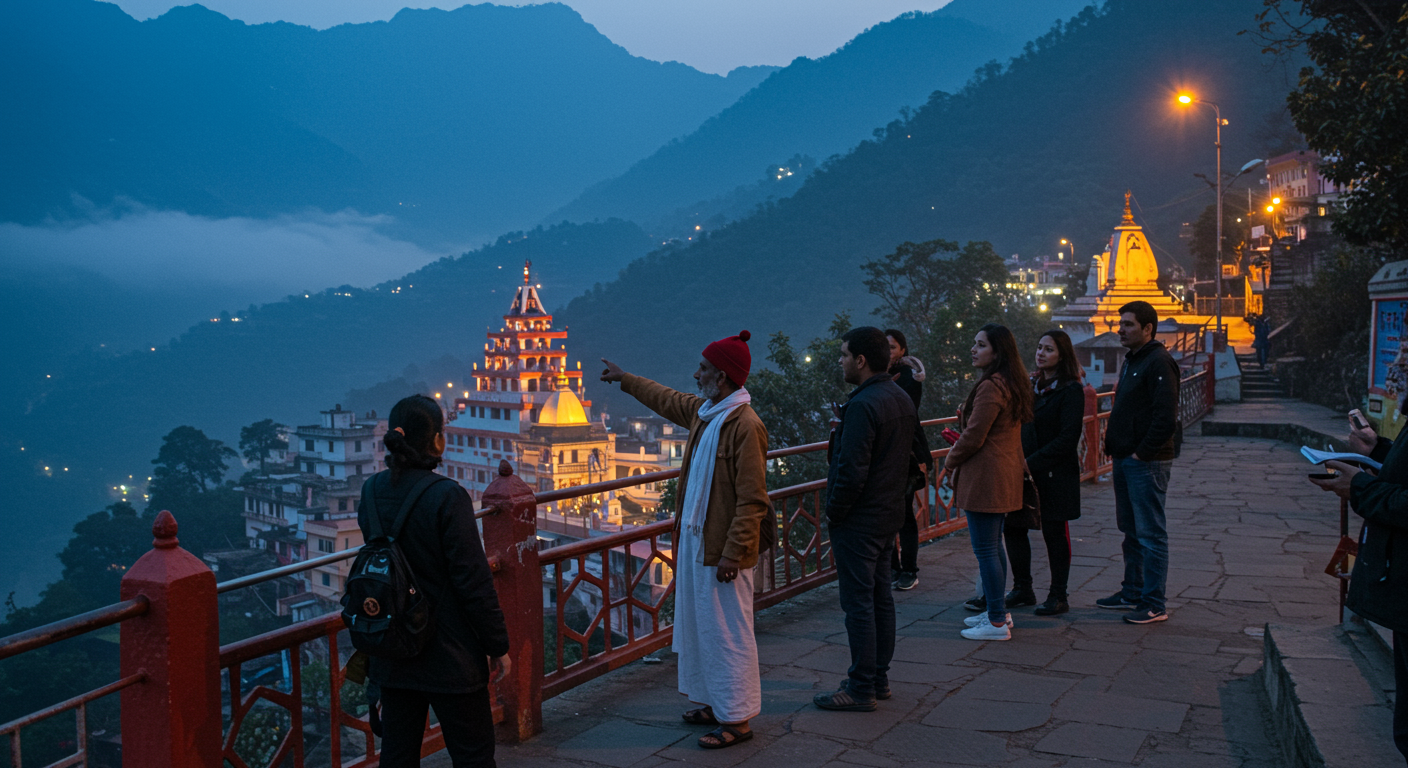
The sound of the Ganges changes after dark in Rishikesh, echoing prayers and the gentle lapping of water, a stark contrast to the daytime bustle of pilgrims and adventurers. Most travellers don’t realise that this sacred city, nestled in the Himalayan foothills, has two completely different personalities depending on the season. To truly experience its magic, knowing the best time to visit Rishikesh is paramount. This guide will cut through the guesswork, providing you with practical, actionable advice to plan your perfect trip in 2026, ensuring you hit the sweet spot for weather, activities, and spiritual immersion. From river rafting to tranquil yoga retreats, we’ll answer all your questions about when and how to experience Rishikesh at its finest.
Introduction to Rishikesh: The Yoga Capital’s Enduring Charm
Rishikesh, often hailed as the “Yoga Capital of the World,” is far more than just a spiritual retreat. It’s a vibrant confluence of ancient traditions, thrilling adventure sports, and breathtaking natural beauty. Situated where the sacred Ganges River descends from the Himalayas, it offers a unique blend of experiences for every kind of traveler. Whether you’re seeking inner peace through meditation, an adrenaline rush from white-water rafting, or simply a scenic escape amidst lush greenery, Rishikesh delivers. Understanding the seasonal nuances is key to unlocking its full potential, making your visit truly memorable. This ancient town has evolved into a global magnet for seekers and adventurers alike, offering diverse experiences that vary greatly with the calendar.
Why Timing Your Visit Matters for the Best Experience
The success of your Rishikesh journey hinges significantly on when you choose to go. Imagine trying to enjoy white-water rafting during the peak monsoon, or attempting a strenuous hike under the scorching summer sun. Conversely, missing the vibrant energy of the spring yoga festivals or the serene clarity of the winter months would be a disservice to your trip. Each season in Rishikesh offers a distinct set of advantages and challenges, influencing everything from the available activities to the overall ambiance and crowd levels. Planning around the weather ensures you can comfortably engage in your preferred activities, whether it’s spiritual exploration, adventure sports, or simply soaking in the serene atmosphere. The best time to visit Rishikesh for you personally depends entirely on your priorities and what you hope to gain from this incredible destination.
What You’ll Discover in Rishikesh
Beyond its reputation as a spiritual hub, Rishikesh boasts a rich tapestry of attractions. You’ll find iconic suspension bridges like Laxman Jhula and Ram Jhula, bustling markets filled with handicrafts and spiritual paraphernalia, and numerous ashrams offering yoga and meditation courses. For the adventurous, the swift currents of the Ganges provide unparalleled opportunities for rafting and kayaking. Nature lovers can explore scenic trails leading to hidden waterfalls, while spiritual seekers can partake in evening Ganga Aarti ceremonies at Parmarth Niketan. The blend of devotion and dynamism is truly captivating, creating an atmosphere that is both invigorating and deeply peaceful. Exploring the local culture and cuisine is also a highlight for many visitors in Rishikesh.
Decoding the Seasons: When is the Best Time to Visit Rishikesh?
Choosing the ideal time for your Rishikesh adventure depends heavily on your interests. The climate here varies dramatically throughout the year, impacting everything from river levels for rafting to the comfort of outdoor yoga sessions. I’ve broken down the year into distinct periods, highlighting what each season offers and what you should consider.
Autumn & Winter (October to March): Ideal for Adventure and Serenity
This period is widely considered the best time to visit Rishikesh for most travelers. The weather is pleasantly cool and dry, with clear skies and comfortable daytime temperatures ranging from 15°C to 25°C. Nights can get chilly, especially in December and January, dropping to around 5°C, so warm clothing is essential. This season is perfect for:
- Adventure Sports: White-water rafting, bungee jumping, trekking, and camping are all in full swing. The river levels are stable and safe, and the weather is conducive to outdoor activities. Shivpuri, just 19km from the town, becomes the ultimate hub for adventure, offering some of the most thrilling experiences.
- Spiritual Retreats: The cool, crisp air makes for ideal conditions for yoga, meditation, and attending spiritual discourses. The ashrams are vibrant, and the evening Ganga Aarti is particularly enchanting without the oppressive heat.
- Sightseeing: Exploring temples like the ancient Neelkanth Mahadev Temple, situated at 1330m with panoramic valley views, or hiking to Neer Garh Waterfall is incredibly enjoyable.
Crowds are generally higher during this peak season, especially around Diwali, Christmas, and New Year. However, the sheer range of activities and comfortable weather make it worth navigating the increased footfall. Many visitors find that the serene mornings and vibrant evenings during these months offer the most authentic experience of the city.
You might also be interested in: Read more about: Unlock Rishikesh: Your Ultimate Guide to…
Spring & Summer (April to June): Navigating the Heat and Monsoon
As spring transitions into summer, temperatures begin to rise significantly. April and May can see daytime highs soaring to 35°C-40°C, making outdoor activities challenging during midday. This period, however, has its own unique charm:
- Pre-Monsoon Calm: Early April still offers decent weather for some activities before the intense heat sets in.
- Fewer Crowds: If you can tolerate the heat, you’ll find fewer tourists, leading to a more peaceful experience at popular spots.
- Monsoon Onset (July-September): The monsoon season brings heavy rainfall, turning the landscape lush green but also making river activities unsafe due to high water levels and strong currents. Landslides can also occur, affecting road travel. While some spiritual seekers prefer the quiet introspection the monsoon brings, it’s generally not recommended for adventure tourism. However, the waterfalls like Garud Chatti Waterfall, a hidden gem near the Neelkanth temple road, are at their most spectacular during this time, offering a unique visual treat for those seeking solitude and willing to brave the rain.
Expert Tip: If planning a summer visit, schedule your outdoor activities for early mornings or late afternoons. Hydration is key, and light, breathable clothing is a must. During monsoon, always check local weather advisories and road conditions before venturing out.
For those interested in adventure sports, this is generally not the best time to visit Rishikesh. However, if your focus is on a quiet spiritual retreat and you don’t mind the heat or the rain, you might find a different kind of beauty in these months.
Practical Planning for Your Rishikesh Adventure: How to Make the Most of Your Trip
Once you’ve decided on the optimal time to visit, practical planning ensures a smooth and enjoyable experience. Rishikesh is well-connected, but navigating local transport and understanding what to bring can make a big difference.
Getting There and Around: Travel Logistics
Rishikesh is easily accessible by various modes of transport:
- By Air: The nearest airport is Jolly Grant Airport (DED) in Dehradun, approximately 35 km away. From the airport, you can hire a taxi (expect to pay around INR 1000-1500 for a one-way trip to Rishikesh) or take a shared cab.
- By Train: Rishikesh has its own railway station (RKSH), but it’s a small station. Haridwar Railway Station (HW) is a major railhead, about 25 km away, with better connectivity to major Indian cities. From Haridwar, local buses or auto-rickshaws are readily available.
- By Road: Rishikesh is well-connected by road to major cities like Delhi (approx. 230 km), Dehradun, and Haridwar. You can opt for state-run buses, private coaches, or hire a private taxi. The journey from Delhi typically takes 5-7 hours, depending on traffic and road conditions.
Once in Rishikesh, getting around is fairly easy. Auto-rickshaws are plentiful for short distances, and shared jeeps or ‘Vikrams’ ply specific routes, offering a budget-friendly option. For exploring areas like Laxman Jhula and Ram Jhula, walking is often the best way to soak in the atmosphere. Many adventure operators provide transportation for activities like rafting from their offices to the starting points.
What to Pack and Prepare: Essentials for Every Season
Your packing list will vary significantly based on the season you choose for your visit. However, some essentials remain constant:
You might also be interested in: Read more about: Comparing Travel & Hospitality: Key Indu…
- Clothing:
- Autumn/Winter: Layers are key. Warm jackets, sweaters, thermals, and scarves for evenings and early mornings. Light cottons for daytime.
- Spring/Summer: Light, breathable cotton clothing. Avoid synthetic fabrics. A light shawl or scarf for temple visits.
- Monsoon: Waterproof jacket, quick-drying clothes, sturdy waterproof footwear.
- Always include modest clothing for temple visits and ashrams (shoulders and knees covered).
- Footwear: Comfortable walking shoes are a must. Sandals or flip-flops for casual wear. Water shoes if you plan river activities.
- Health & Safety: Basic first-aid kit, insect repellent, sunscreen, hat, and personal medications. Carry a reusable water bottle to stay hydrated and reduce plastic waste.
- Essentials: Power bank, camera, a small backpack for day trips, and a good quality flashlight.
Remember that Rishikesh is a vegetarian and alcohol-free city, reflecting its spiritual ethos. Respecting these local customs will enhance your experience.
Beyond the Obvious: Exploring Top-Rated in Rishikesh Gems and Local Secrets
While the main attractions draw crowds, some of the most profound experiences in Rishikesh lie slightly off the beaten path. Discovering these spots can elevate your trip from good to unforgettable.
Iconic Spiritual and Adventure Hubs
Beyond the well-trodden paths, delve deeper into what makes Rishikesh unique. The Neelkanth Mahadev Temple is not just a place of worship but a journey through scenic hills, offering breathtaking views that justify the drive. Shivpuri, renowned for its white-water rafting, also provides opportunities for cliff jumping and camping by the riverside, creating a full-fledged adventure experience. These are truly top-rated in Rishikesh for those seeking both spiritual solace and thrilling escapades.
Another popular spot, albeit slightly mainstream, is the Triveni Ghat, particularly during the evening Ganga Aarti. While Parmarth Niketan’s aarti is widely known, Triveni Ghat offers a more local and intimate experience, often with fewer crowds, allowing for deeper reflection.
Underrated Waterfalls and Riverside Retreats
Escape the crowds and discover Rishikesh’s quieter side. Goa Beach, a serene white-sand stretch on the Ganges near Laxman Jhula, is a favorite among backpackers looking for a peaceful spot to relax, swim (with caution), or simply enjoy the river’s tranquility away from the main ghats. It’s a perfect place to unwind after a day of exploration.
For those willing to venture a little further, the Garud Chatti Waterfall is a hidden gem that many tourists overlook. Located near the Neelkanth temple road, it requires a short, easy hike, rewarding you with pristine waters and a sense of secluded natural beauty. Similarly, while Neer Garh Waterfall is more known, exploring its various tiers involves a pleasant trek through forested paths, each tier offering a different perspective and a refreshing dip. These natural wonders offer a peaceful retreat and are some of the most rewarding discoveries you can make across Rishikesh.
You might also be interested in: Explore Rishikesh Adventures on Bucketlistt
Insider Tips for a Flawless Journey: Making Your Visit Unforgettable
Having travelled extensively myself, I know that the little details often make the biggest difference. Here are some insider tips to ensure your Rishikesh trip is as smooth and enriching as possible.
Navigating Local Customs and Maximizing Your Experience
Rishikesh is a holy city, and embracing its customs will deepen your experience. Always dress modestly, especially when visiting temples or ashrams. Engage with locals respectfully; a simple “Namaste” goes a long way. Photography is often permitted, but always ask for permission before taking pictures of people. Participate in a Ganga Aarti; it’s a profound spiritual experience that shouldn’t be missed. Consider an early morning yoga class by the river for an unparalleled start to your day. Many local experts in Rishikesh offer authentic yoga and meditation sessions, providing deep insights into ancient practices.
Bargaining is common in local markets, but do so politely and with a smile. Embrace the vegetarian cuisine; Rishikesh offers an incredible array of delicious and healthy food options, from traditional thalis to international vegan dishes. Don’t be afraid to try street food from reputable vendors; a plate of aloo tikki or piping hot jalebis can be a delightful treat. Also, remember that the consumption of alcohol and non-vegetarian food is prohibited throughout the city, a rule that contributes to its spiritual sanctity.
Budgeting and Safety Advice for Travelers
Rishikesh can be a very budget-friendly destination. Accommodation options range from inexpensive guesthouses and ashrams (which often include meals and yoga classes) to mid-range hotels. A decent meal at a local eatery can cost as little as INR 150-300 per person. Adventure activities like rafting typically range from INR 600-1500 per person, depending on the stretch. Budget around INR 1500-2500 per day for a comfortable, mid-range experience, excluding major splurges.
For safety, always be aware of your surroundings, especially after dark. While Rishikesh is generally safe, it’s wise to avoid isolated areas alone. Keep your valuables secure and be mindful of your belongings in crowded places. When booking adventure sports, always choose licensed operators with good safety records; there are many reputable services in Rishikesh. Inform someone of your plans if you’re going on a trek or an extended outdoor activity. Finally, always carry a copy of your identification documents and some emergency cash.
Rishikesh is one of those rare destinations that genuinely delivers on its reputation — whether you come for the adrenaline, the spirituality, or simply to sit by the Ganga and think. This guide covered best best time to visit rishikesh in rishikesh, best time to visit rishikesh, best time to visit rishikesh in rishikesh, giving you the practical knowledge to plan a memorable visit. If you want a curated list of verified operators and activity packages, you can browse options on Bucketlistt.
Frequently Asked Questions about Visiting Rishikesh
What is the best month to visit Rishikesh?
The absolute best time to visit Rishikesh is from October to March. During these months, the weather is pleasantly cool and dry, making it ideal for both adventure activities and spiritual pursuits. You’ll enjoy clear skies and comfortable temperatures.
Is Rishikesh safe to visit for solo female travelers?
Rishikesh is generally considered safe for solo female travelers, especially in popular areas. However, like any travel destination, it’s essential to exercise caution, avoid isolated areas at night, and trust your instincts. Many women travel solo here for yoga and spiritual retreats.
How many days are enough for Rishikesh?
To experience the diverse offerings of Rishikesh, a minimum of 3 to 4 days is recommended. This allows enough time for adventure sports like rafting, spiritual activities like Ganga Aarti, and exploring key attractions without feeling rushed. For a deeper spiritual retreat, consider a week or more.
What should I wear when visiting Rishikesh?
Dress modestly, especially when visiting temples or ashrams; shoulders and knees should be covered. During cooler months (Oct-Mar), pack layers including warm jackets. For warmer months (Apr-Jun), light, breathable cotton clothing is best. Comfortable walking shoes are a must year-round.
Can we visit Rishikesh in August during the monsoon season?
Visiting Rishikesh in August is possible, but be prepared for heavy monsoon rains. Adventure activities like rafting are usually closed due to high river levels. The landscape is lush and waterfalls are spectacular, but there’s a risk of landslides and travel delays. It’s not the best time to visit Rishikesh for outdoor adventures.
Is it good to visit Rishikesh in December?
Yes, December is an excellent time to visit Rishikesh, especially if you enjoy cool, crisp weather. It’s perfect for adventure sports and spiritual retreats. Pack plenty of warm clothing as evenings and mornings can be quite chilly, with temperatures dropping significantly.
What are the main attractions in Rishikesh?
Key attractions include the Laxman Jhula and Ram Jhula bridges, Triveni Ghat for Ganga Aarti, Parmarth Niketan Ashram, Neelkanth Mahadev Temple, and for adventure, Shivpuri for rafting. Don’t miss the serene Neer Garh Waterfall or the tranquil Goa Beach for relaxation during your visit to Rishikesh.
Is Rishikesh crowded in October?
Yes, October marks the beginning of the peak tourist season in Rishikesh due to the pleasant weather after the monsoon. You can expect larger crowds at popular attractions and during the Ganga Aarti. Booking accommodation and activities in advance is advisable during this period, which is often seen as the best time to visit Rishikesh.