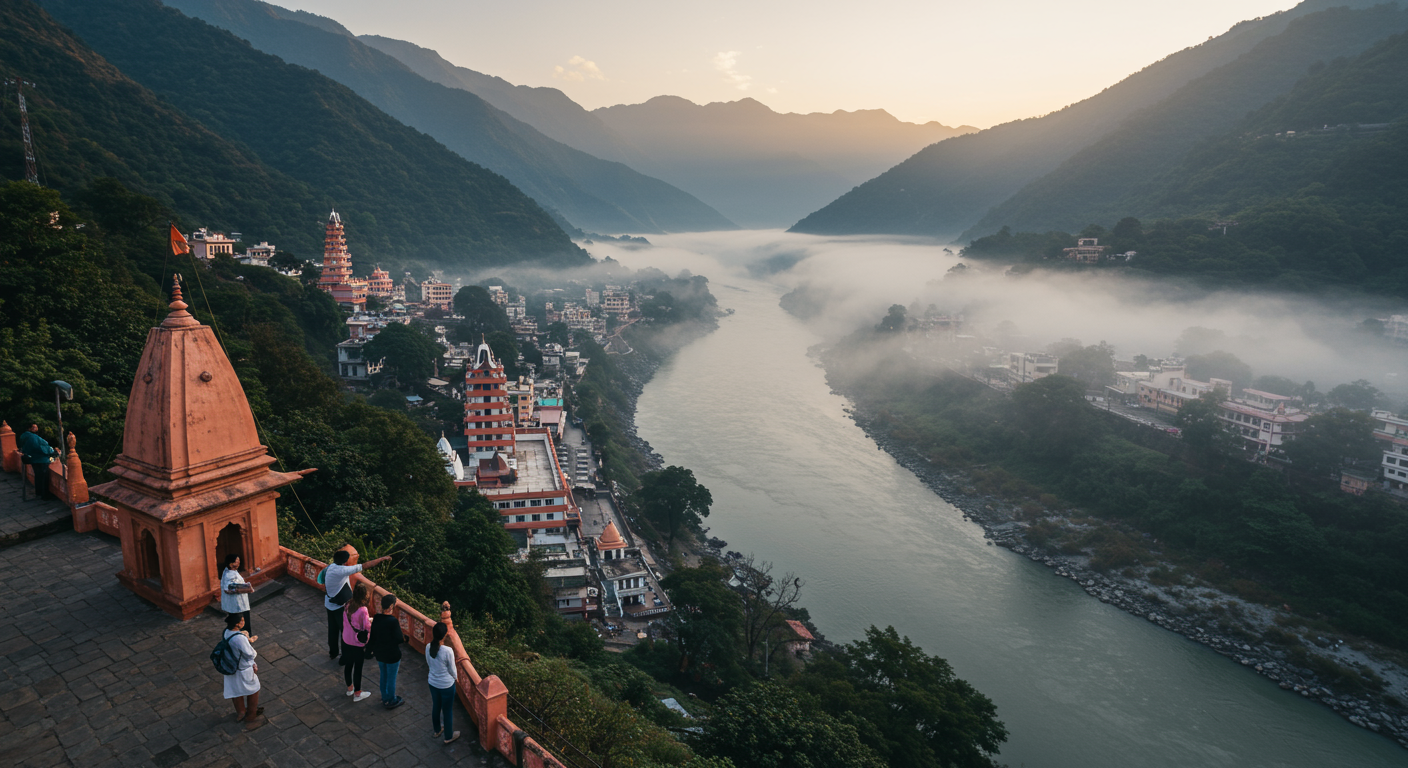
The crisp air carries the scent of the Himalayas, mingling with the spiritual hum of temple chants and the exhilarating roar of the Ganges. This isn’t just a place for spiritual solace; it’s a vibrant hub for adrenaline junkies. As someone who has navigated these rapids and trekked these trails countless times, I can tell you that making informed adventure sports comparisons is key to unlocking the true potential of your trip to this incredible destination. Forget generic advice; we’re diving deep into the practicalities of choosing your thrill. This guide will answer your burning questions, from comparing the intensity of river rafting versus bungee jumping to understanding the costs and safety protocols, ensuring your 2026 Rishikesh adventure is unforgettable.
Planning an exhilarating escape requires more than just booking tickets; it demands a strategic approach to what you’ll experience. This article is your personal compass, detailing everything you need to know to make the best adventure sports comparisons in Rishikesh. We’ll explore the diverse range of activities available, weigh their pros and cons, and arm you with insider knowledge to tailor your adventure perfectly. Get ready to discover the magic and thrill that awaits you in the Adventure Capital of India.
Unveiling Rishikesh’s Adventure Landscape: Why Adventure Sports Comparisons Matter
Rishikesh, nestled in the lap of the Himalayas, has earned its reputation as the “Adventure Capital of India” for good reason. From the roaring rapids of the Ganges to the serene heights of its cliffs, the sheer variety of activities can be overwhelming. This is precisely why strategic adventure sports comparisons are not just helpful, but essential. Without understanding the nuances between different activities, you might find yourself on a gentle trek when you craved a heart-pounding bungee jump, or vice-versa. My goal is to help you match your thrill-seeking desires with the perfect activity, ensuring maximum enjoyment and a truly memorable experience.
Understanding the Spectrum of Adventure in Rishikesh
When most people think of adventure in Rishikesh, white-water rafting immediately comes to mind. And while it’s undeniably a cornerstone, the adventure landscape here is far more expansive. You have options ranging from the physically demanding to the mentally challenging, catering to various fitness levels and courage thresholds. The key is to assess what kind of experience you’re seeking. Are you looking for a communal thrill, or a solitary challenge? Do you prefer water-based activities, or are you drawn to the heights? These initial considerations are crucial for effective adventure sports comparisons.
For instance, while rafting offers a group experience battling rapids, activities like cliff jumping or rappelling provide a more individual test of nerve. Understanding these fundamental differences will guide your choices. It’s not just about what’s available, but what truly resonates with your spirit of adventure. The sheer diversity of services in Rishikesh means there’s something for everyone, but choosing wisely requires a bit of homework.
The Benefits of Informed Decision-Making
Making informed adventure sports comparisons goes beyond just picking an activity; it impacts your safety, satisfaction, and budget. Choosing a reputable operator for rafting, for example, means the difference between a thrilling, safe experience and a potentially risky one. Similarly, understanding the physical demands of a trek to Neer Garh Waterfall versus the technical skills required for rock climbing will prevent disappointment and ensure you’re adequately prepared. Many first-time visitors overlook the importance of checking certifications and safety records, often swayed by the lowest price. However, in adventure sports, best quality in Rishikesh often comes with a slightly higher, yet justifiable, cost.
Moreover, Rishikesh has unique local conditions. The Ganges changes character dramatically with the seasons, impacting rafting intensity. Trekking routes can be slippery during monsoon. Knowing these details, which I’ll share, allows you to align your visit with the ideal conditions for your chosen adventure. This level of detail in your planning will elevate your experience from good to extraordinary. Remember, a little research now saves a lot of regret later.
Deep Dive into Rishikesh’s Top Thrills: Practical Adventure Sports Comparisons in Rishikesh
Let’s get down to the nitty-gritty of the most popular adventure sports you’ll find here. This section offers a practical comparison of the main attractions, helping you understand what each entails, its typical cost, and who it’s best suited for. These adventure sports comparisons in Rishikesh are designed to give you a clear picture, allowing you to build your ideal itinerary.
You might also be interested in: Read more about: Experience the Thrill: Giant Swing & Tow…
Comparing Water-Based Adventures: Rafting vs. Kayaking vs. Body Surfing
The Ganges is the lifeblood of Rishikesh, and its waters offer a variety of thrills. River rafting is undoubtedly the most famous. You’ll typically find stretches ranging from 9 km (Brahmpuri to Ram Jhula) to 36 km (Kaudiyala to Laxman Jhula), with rapids categorised from Grade I to Grade IV. A 16 km stretch (Shivpuri to Laxman Jhula) is the most popular, featuring iconic rapids like “Return to Sender” and “Roller Coaster.” Expect to pay anywhere from INR 800 to INR 2500 per person, depending on the stretch and season. It’s a fantastic group activity, requiring minimal prior experience, perfect for families and friends seeking a shared adrenaline rush. Safety briefings and equipment are always provided by reputable operators.
Kayaking, on the other hand, offers a more intimate and challenging experience with the river. While tandem kayaks are available for beginners, solo kayaking requires more skill and core strength. It allows you to navigate the rapids yourself, offering a profound sense of accomplishment. Prices generally start from INR 1500 for a guided session, often including lessons. This is ideal for those who want more control and a deeper engagement with the river. Body surfing, often included as part of a rafting trip, involves floating down calmer sections of the river in your life jacket. It’s a refreshing and fun break from paddling, offering a unique perspective of the Ganges. It’s generally free as an add-on to rafting packages.
Insider Tip: For the best adventure sports comparisons in Rishikesh involving water, consider the season. Post-monsoon (October to March) offers the best rapids for rafting, while summer (April-June) brings slightly calmer but still thrilling waters, perfect for beginners and kayaking lessons. Always ensure your operator provides good quality safety gear and has experienced guides.
High-Altitude Thrills: Bungee Jumping vs. Giant Swing vs. Zipline
For those who crave heights and freefall, Rishikesh delivers some of India’s most iconic experiences. Bungee jumping in Rishikesh is world-renowned, offered by a single, highly professional operator. Plunging from an 83-meter cantilever platform built over a rocky cliff, it’s an unparalleled rush. The cost is typically around INR 3700 per jump. This is for the ultimate thrill-seeker, demanding a strong heart and a desire for extreme adventure. The feeling of absolute freefall is indescribable.
The Giant Swing offers a similar sensation of freefall but with a different trajectory. Instead of a straight drop, you swing out over the valley like a pendulum after an initial drop. It’s often considered slightly less intense than bungee jumping but still incredibly exhilarating. The cost is similar, around INR 3500. This is a great alternative for those who want a taste of freefall without the full commitment of a bungee. The Flying Fox (Zipline) involves soaring across the valley, suspended by a harness. It’s a fantastic way to take in panoramic views of the Ganges and the surrounding landscape. You can often do it solo or in tandem. Prices range from INR 1800-2500. It’s a thrilling, yet generally less intense, option suitable for a wider range of ages and comfort levels, offering spectacular aerial views across Rishikesh.
When making your adventure sports comparisons for high-altitude activities, consider your comfort with heights and your desire for pure freefall versus a swinging or gliding experience. All operators providing these activities are experts in Rishikesh, adhering to international safety standards, making them a reliable choice for your high-octane thrills.
Mastering Your Adventure: Insider Tips for the Best Adventure Sports Comparisons in Rishikesh
Beyond the basic comparisons, there are crucial insider tips that can significantly enhance your adventure experience. These practical insights, gleaned from years of exploring Rishikesh, will help you navigate the logistics, make smart choices, and ensure your trip is seamless and safe. This section focuses on achieving the best adventure sports comparisons in Rishikesh by considering preparation, timing, and local nuances.
You might also be interested in: Read more about: Crafting Unforgettable Family Adventures…
Pre-Adventure Checklist: What to Know Before You Go
Preparation is paramount for any adventure sport. Here’s a checklist to ensure you’re ready:
- Physical Fitness: While many activities don’t require elite athleticism, a basic level of fitness is beneficial. For rafting, you’ll be paddling; for trekking, you’ll be walking uphill. Bungee jumping has health restrictions (e.g., heart conditions, high blood pressure, pregnancy). Always disclose any medical conditions to your operator.
- What to Wear: For water sports, quick-drying clothes, swimwear, and secure sandals or water shoes are ideal. Avoid cotton as it stays wet. For trekking or high-altitude activities, comfortable athletic wear and sturdy closed-toe shoes are a must. Always bring a change of clothes.
- Booking in Advance: Especially during peak season (October-November and March-May), popular activities like rafting and bungee jumping can get fully booked. It’s always wise to book at least a few days, if not weeks, in advance to secure your spot with a reputable operator.
- Hydration & Sun Protection: The Himalayan sun can be intense. Carry sufficient water, wear sunscreen, and a hat, even on cloudy days.
- Photography: Many operators offer professional photo/video packages. If you bring your own GoPro, ensure it’s securely mounted.
Understanding these small details can significantly impact your comfort and enjoyment, allowing you to focus purely on the thrill of the activity rather than unforeseen inconveniences.
Navigating Logistics: Getting There and Local Travel
Rishikesh is well-connected. The nearest airport is Jolly Grant Airport (DED) in Dehradun, about an hour’s drive away. Haridwar Railway Station is the closest major railhead. From these points, taxis and shared cabs are readily available. Once in Rishikesh, local transport includes auto-rickshaws and shared jeeps. For adventure sports, most operators provide transport from a central meeting point (often near Laxman Jhula or Tapovan) to the activity site, which is usually included in the package price.
Consider staying in Tapovan or near Laxman Jhula for easy access to adventure sports booking offices and departure points. These areas are also bustling with cafes and markets, offering a vibrant atmosphere. If you plan to visit places like Triveni Ghat for the evening Ganga Aarti, or explore the iconic Laxman Jhula and Ram Jhula bridges, factor in travel time. Patna Waterfall and Rishikund are slightly off the main tourist trail, offering a more serene experience but requiring a short trek or a dedicated auto-rickshaw ride. Always negotiate auto-rickshaw fares beforehand, or use ride-sharing apps if available for transparent pricing.
Planning Your Adrenaline Rush: Essential Preparations and Safety
Embarking on adventure sports is inherently about pushing boundaries, but it should never compromise safety. My experience has taught me that the thrill is amplified when you feel secure and well-informed. This section is dedicated to ensuring your adventure planning in Rishikesh is robust, covering everything from choosing the right time to visit to understanding crucial safety considerations. These insights are vital for anyone looking to make the most of their adventure sports comparisons.
Best Time to Visit and Seasonal Considerations
The timing of your visit profoundly impacts the adventure sports experience. Rishikesh generally has three distinct seasons, each offering different advantages:
- Autumn/Winter (October to March): This is arguably the best time for most adventure sports. The weather is pleasant, with clear skies and moderate temperatures (15-25°C). The Ganges water levels are optimal for rafting, offering exciting rapids. Bungee jumping and trekking are also fantastic during this period, with lush green landscapes and comfortable hiking conditions.
- Summer (April to June): Temperatures can soar (up to 40°C), making daytime activities challenging. However, early mornings or late afternoons are still viable. Rafting still operates, but the water levels might be slightly lower, leading to gentler rapids. This period is less crowded, offering a more tranquil experience for some.
- Monsoon (July to September): This period brings heavy rainfall, causing the Ganges to swell and become extremely turbulent. River rafting is often suspended during peak monsoon for safety reasons. Trekking routes can be slippery and dangerous. While the landscape is incredibly verdant, it’s generally not recommended for high-octane adventure sports. However, it’s a beautiful time for nature lovers and those seeking spiritual retreats.
For optimal adventure sports comparisons, I highly recommend aiming for the post-monsoon and winter months. The conditions are simply superior for a wide range of activities, ensuring both thrill and safety.
You might also be interested in: Explore Rishikesh Adventures on Bucketlistt
Safety First: Choosing Reputable Operators and Understanding Risks
Your safety should be your absolute priority. When making adventure sports comparisons, the reputation and safety record of the operator should weigh heavily in your decision. Here’s what to look for:
- Certifications: Ensure the operator is registered and their guides are certified (e.g., by IRF for rafting).
- Equipment Quality: Check that safety gear (helmets, life jackets, harnesses) is well-maintained, fits properly, and is up-to-date.
- Experience: Opt for operators with a long-standing presence and experienced guides who know the local terrain and conditions intimately.
- Briefings: A thorough safety briefing before any activity is non-negotiable. If an operator rushes this, it’s a red flag.
- Emergency Protocols: Reputable operators will have clear emergency procedures and first-aid provisions.
While adventure sports carry inherent risks, choosing a top-rated in Rishikesh operator significantly mitigates them. Never compromise on safety for a cheaper price. Always trust your gut feeling; if something feels off, find another provider. Remember, the goal is an exhilarating, not terrifying, experience. Don’t hesitate to ask questions about safety records or guide experience. The best operators welcome such inquiries and are transparent about their practices.
One specific local detail to note is the strong current of the Ganges. Even in calmer sections, never underestimate its power. Always wear a life jacket when near or in the river, even if you are a strong swimmer. The spiritual significance of the river often leads people to underestimate its physical dangers. Respect the river, and it will offer you an incredible adventure.
My personal recommendation for trekking is to explore beyond the main trails. While the path to Neer Garh Waterfall is beautiful and accessible, consider the trek to Patna Waterfall. It’s a more secluded experience, winding through dense forest, offering untouched nature and a sense of discovery that many overlook. These hidden gems truly demonstrate the diverse natural beauty in Rishikesh.
Final considerations for your trip include securing travel insurance that covers adventure sports. While operators take precautions, unexpected events can occur. A good policy provides peace of mind. Also, be mindful of local customs and dress modestly, especially when visiting sacred sites like Triveni Ghat or the temples near Laxman Jhula.
Rishikesh is one of those rare destinations that genuinely delivers on its reputation — whether you come for the adrenaline, the spirituality, or simply to sit by the Ganga and think. This guide covered adventure sports comparisons, adventure sports comparisons in rishikesh, best adventure sports comparisons in rishikesh, giving you the practical knowledge to plan a memorable visit. If you want a curated list of verified operators and activity packages, you can browse options on Bucketlistt.
Frequently Asked Questions about Adventure Sports Comparisons
What are the most popular adventure sports in Rishikesh?
The most popular adventure sports in Rishikesh include white-water river rafting, bungee jumping, giant swing, ziplining, cliff jumping, and trekking. These activities attract thousands of thrill-seekers annually, offering diverse experiences for various adventure levels. Making informed adventure sports comparisons helps you choose the best fit.
Is bungee jumping in Rishikesh safe?
Yes, bungee jumping in Rishikesh is considered very safe when performed with the established and highly reputable operator. They adhere to international safety standards, use state-of-the-art equipment, and have highly trained jump masters. Always choose certified operators for any adventure sport.
How do I choose between river rafting and bungee jumping for my trip?
Consider your preference for water versus heights. River rafting offers a group thrill battling rapids, while bungee jumping provides an intense solo freefall experience. Your comfort level with extreme heights and desired adrenaline rush will guide your adventure sports comparisons. Both are iconic experiences in Rishikesh.
What is the best time of year for adventure sports in Rishikesh?
The ideal time for most adventure sports in Rishikesh is from October to March. The weather is pleasant, and river conditions are optimal for rafting. Monsoon season (July-September) often sees river activities suspended due to high water levels, so plan your adventure sports comparisons accordingly.
Are there any age or weight restrictions for adventure activities?
Yes, most adventure activities have age, weight, and sometimes health restrictions. For example, bungee jumping typically has a minimum age of 12 years and specific weight limits. Always check with the individual operator for precise requirements before making your adventure sports comparisons and booking.
How much do adventure sports in Rishikesh typically cost?
Costs vary widely. River rafting can range from INR 800-2500 depending on the stretch. Bungee jumping and Giant Swing are usually INR 3500-3700. Ziplining is around INR 1800-2500. These are approximate costs for 2026 and can fluctuate based on the operator and season. These figures are crucial for accurate adventure sports comparisons in Rishikesh.
Can beginners participate in Rishikesh adventure sports?
Absolutely! Many activities like shorter rafting stretches, tandem kayaking, and ziplining are perfect for beginners. Operators provide thorough training and safety briefings, along with all necessary equipment. Don’t let inexperience deter you from enjoying the thrill of Rishikesh.
What should I wear for river rafting in Rishikesh?
For river rafting, wear quick-drying clothes like shorts and a t-shirt, or swimwear. Avoid cotton as it retains water. Secure sandals or water shoes are essential. Remember to bring a complete change of clothes and a towel for after your adventure. This preparation is key for comfortable adventure sports comparisons.