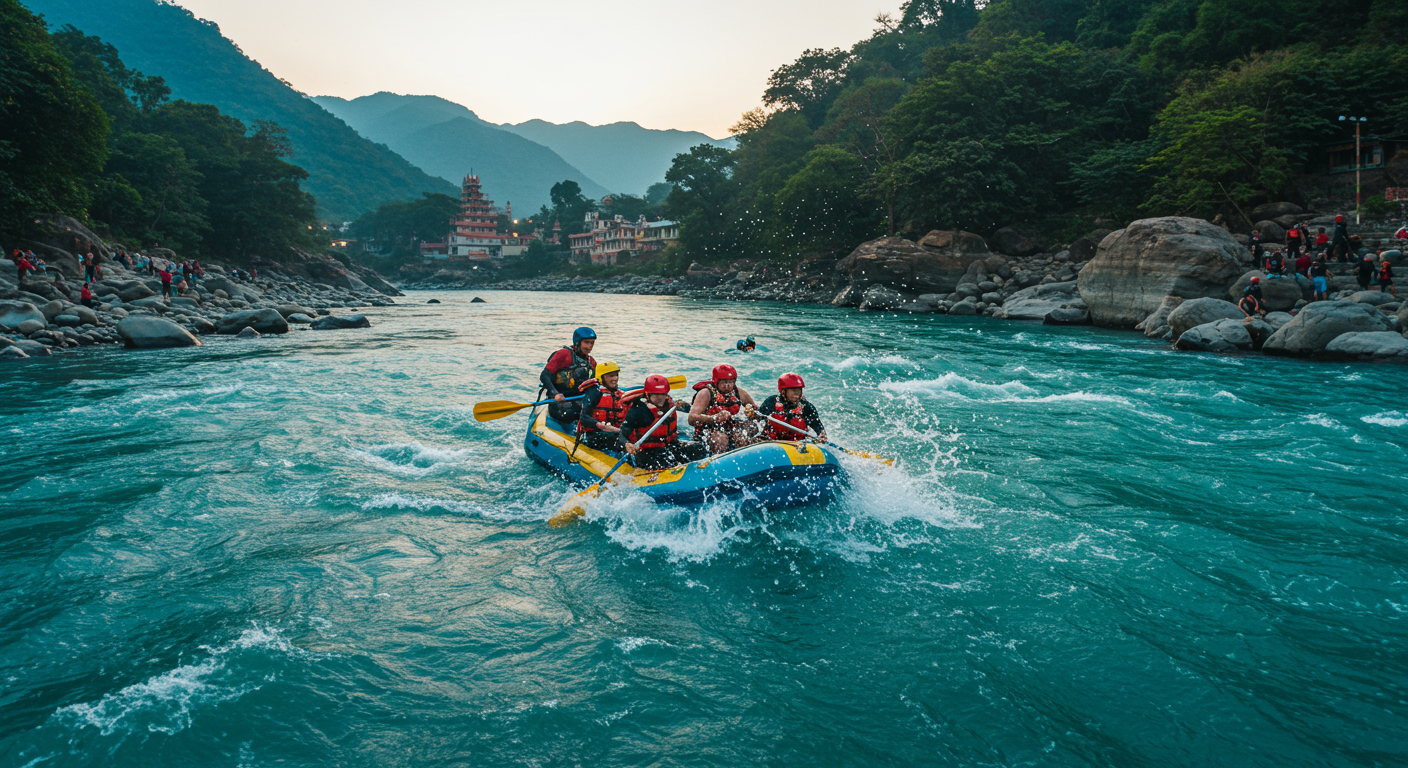
The roar of the Ganges, the spray of icy water, and the sheer thrill of conquering challenging rapids – few experiences ignite the spirit quite like river rafting in Rishikesh. Nestled in the foothills of the Himalayas, Rishikesh has earned its reputation as India’s adventure capital, drawing enthusiasts from across the globe. It’s a place where spiritual serenity meets adrenaline-pumping excitement, creating a unique backdrop for white-water adventures. For those seeking an unforgettable journey down the sacred river, understanding the nuances of planning and execution is key. Operators like BUCKETLISTT have perfected the art of delivering safe, exhilarating, and memorable rafting trips, ensuring every moment on the water is pure exhilaration.
This comprehensive guide will equip you with all the knowledge you need to navigate the rapids and make the most of your river rafting experience. From what to expect on the river to essential safety precautions and insider tips, we’ll cover everything to ensure your adventure is both thrilling and secure. Prepare to embrace the power of the Ganges and create memories that will last a lifetime.
Practical Guide to River Rafting in Rishikesh
Embarking on a river rafting in Rishikesh adventure requires preparation and an understanding of what lies ahead. The vibrant town of Rishikesh is globally renowned for its various stretches of rapids, catering to different skill levels, from beginner to experienced rafters. Knowing what to expect, how to prepare, and the fundamental safety protocols will significantly enhance your experience.
What to Expect on Your Rafting Day
Your typical rafting day begins with a briefing from your guide, often at a designated meeting point in Rishikesh. You’ll be provided with essential gear, including a life jacket, helmet, and sometimes a paddle. Transportation will then take you to the starting point, usually upstream from Rishikesh, such as Shivpuri or Marine Drive. Once at the riverbank, your guide will provide a detailed safety talk, explaining paddling commands, rescue procedures, and what to do if you fall out of the raft. The journey itself is a mix of thrilling rapids – categorized from Grade I (easiest) to Grade V (most difficult) – and serene stretches where you can admire the stunning Himalayan landscape and the spiritual aura of the Ganges. Expect to get thoroughly wet and to work as a team to navigate the river. Most trips include a break for cliff jumping or body surfing, adding another layer of adventure. BUCKETLISTT ensures that all these elements are seamlessly integrated into a well-organized and enjoyable expedition.
You might also be interested in: Read more about: Journey into Adventure: Bungee Jumping i…
Safety Tips and Requirements for the Rapids
Safety is paramount when engaging in any adventure sport, especially white-water rafting. Always choose a reputable operator with certified guides and well-maintained equipment. Here are some critical safety tips:
- Listen to Your Guide: Your rafting guide is a trained professional. Pay close attention to all instructions and commands. Their experience is your best asset on the river.
- Wear the Right Gear: Always wear a properly fitted life jacket and helmet. These are non-negotiable safety items.
- Hold Your Paddle Correctly: Keep a firm grip on your paddle, ensuring your hands are positioned correctly to avoid injury to yourself or others.
- Stay in the Boat: Try to stay inside the raft. If you do fall out, remember the “swimmer’s position” (feet downstream, nose up) and listen for your guide’s instructions.
- Physical Fitness: While not requiring extreme athleticism, a basic level of fitness and the ability to swim are highly recommended for your safety and enjoyment.
“Engaging in river rafting demands respect for the river and adherence to expert guidance. Always prioritize safety over thrill, and choose operators who reflect this ethos. A well-prepared rafter is a safe rafter.”
Planning Your River Rafting Experience in Rishikesh
Successful planning is crucial for maximizing your enjoyment of river rafting in Rishikesh. From selecting the best time of year to understanding costs and booking procedures, a little foresight goes a long way. Rishikesh offers various rafting stretches, each with its unique charm and challenge, making it suitable for everyone from families to seasoned adventurers.
Best Time to Go and How to Get There
The ideal time for river rafting in Rishikesh is generally from late September to mid-November and then from early March to late May. During these periods, the water levels are optimal, and the weather is pleasant. The monsoon season (July-September) sees high water levels, making rafting dangerous and often leading to closures. Winters (December-February) can be quite cold, making the icy Ganges water less appealing. To reach Rishikesh, you can fly into Jolly Grant Airport (Dehradun), which is about 35 km away, and then take a taxi. Alternatively, Rishikesh has a well-connected railway station and is easily accessible by road from major North Indian cities like Delhi, typically a 5-6 hour drive. Once in Rishikesh, local taxis and auto-rickshaws are readily available to take you to rafting camps or starting points. Many river rafting operators, including BUCKETLISTT, also provide transportation from a central meeting point to the rafting start and end points.
You might also be interested in: Read more about: Elevating Your Bond: The Ultimate Guide …
Costs, Booking Tips, and What’s Included
The cost of river rafting varies depending on the length of the stretch, the grade of rapids, and the operator. Typically, a 9 km stretch (e.g., from Brahmpuri to Laxman Jhula) might cost INR 600-1000 per person, while a longer 16 km stretch (Shivpuri to Laxman Jhula) could range from INR 1000-1800 per person. For the most adventurous, the 26 km Marine Drive to Laxman Jhula stretch can cost INR 1500-2500 per person. These prices usually include all necessary equipment (raft, paddles, life jacket, helmet), a certified guide, and transportation to and from the rafting points. When booking, always look for transparency in pricing and ensure all safety equipment is provided. It’s advisable to book in advance, especially during peak seasons, to secure your spot and potentially get better deals. BUCKETLISTT offers competitive packages and clear inclusions, ensuring you get the best quality in Rishikesh for your adventure without hidden costs.
Insider Tips and Local Knowledge for Rafting Experts in Rishikesh
Beyond the basics, a few insider tips can elevate your river rafting experience and help you discover the true essence of Rishikesh. Knowing the local scene and combining your rafting trip with other regional highlights can make your visit truly comprehensive. Engaging with rafting experts in Rishikesh can also provide unique insights into the river’s character and the best spots to experience its beauty.
Combining Rafting with Rishikesh’s Attractions
Rishikesh is much more than just a rafting destination. After an exhilarating session on the Ganges, take time to explore the spiritual and natural wonders nearby. Visit the iconic Laxman Jhula and Ram Jhula bridges, which offer stunning views of the river and the surrounding temples. The Beatles Ashram (Chaurasi Kutia) provides a serene, artistic retreat, while the tranquil Neer Garh Waterfall offers a refreshing hike and natural pools. For those seeking solitude and a touch of history, the ancient Vashishta Gufa (Cave) on the banks of the Ganges is a profound experience. Don’t forget to explore the underrated Garud Chatti Waterfall, a hidden gem near the Neelkanth temple road, perfect for a peaceful escape. Many operators, including BUCKETLISTT, can help arrange combined itineraries, ensuring you experience the best of Rishikesh both on and off the water.
You might also be interested in: Explore Rishikesh Adventures on Bucketlistt
Essential Gear and What to Avoid
For your rafting trip, pack light but smart. Wear quick-drying clothes like shorts and a T-shirt, and avoid cotton as it stays wet and can make you cold. Secure footwear, such as river sandals or old sneakers, is a must – no flip-flops! Bring sunscreen, sunglasses with a strap, and a waterproof bag for essentials like your phone and camera (though it’s often best to leave valuables behind). A change of clothes and a towel will be greatly appreciated after your wet adventure. Avoid consuming alcohol or heavy meals before your trip, as this can impair your judgment and comfort. Also, resist the urge to jump into the river without your guide’s permission, especially in unknown stretches. Trust your guide and the equipment provided by reputable services across Rishikesh.
Rishikesh is one of those rare destinations that genuinely delivers on its reputation — whether you come for the adrenaline, the spirituality, or simply to sit by the Ganga and think. This guide covered best river rafting in rishikesh in rishikesh, bucketlistt, river rafting in rishikesh, river rafting in rishikesh in rishikesh, giving you the practical knowledge to plan a memorable visit. If you want a curated list of verified operators and activity packages, you can browse options on Bucketlistt.
Frequently Asked Questions about River Rafting in Rishikesh
Is river rafting in Rishikesh safe for beginners?
Yes, river rafting in Rishikesh offers various stretches suitable for beginners, such as the Brahmpuri to Laxman Jhula route. Reputable operators provide certified guides and all necessary safety equipment, ensuring a secure and enjoyable first-time experience. Always choose an operator with a strong safety record.
What is the best time of year for river rafting in Rishikesh?
The prime seasons for river rafting in Rishikesh are from late September to mid-November and then from early March to late May. During these months, the weather is pleasant, and the water levels are ideal for safe and exciting rafting. Avoid the monsoon season due to high water levels.
How long does a typical river rafting trip last in Rishikesh?
The duration of a river rafting trip in Rishikesh varies based on the chosen stretch. A shorter route like Brahmpuri to Laxman Jhula (9 km) typically takes 1.5-2 hours on the water, while longer routes like Shivpuri to Laxman Jhula (16 km) can take 2.5-3.5 hours. This usually includes travel time to the starting point and safety briefings.
What should I wear for river rafting in Rishikesh?
Wear comfortable, quick-drying clothes such as shorts, T-shirts, or swimwear. Avoid heavy cotton that retains water. Secure footwear like river sandals or old sneakers is essential. Don’t forget sunscreen, sunglasses with a strap, and a waterproof bag for any small personal items.
Is it necessary to know swimming for river rafting in Rishikesh?
While not strictly mandatory for all stretches, knowing how to swim is highly recommended for your safety and peace of mind during river rafting in Rishikesh. You will always wear a life jacket, but being comfortable in water is a significant advantage. Your guide will provide instructions for what to do if you fall out.
Can children participate in river rafting in Rishikesh?
Yes, children can participate in river rafting in Rishikesh, but age and weight restrictions apply, and they are typically limited to shorter, milder stretches like Brahmpuri. Most operators require children to be at least 12-14 years old and meet certain height/weight criteria. Always check with your chosen operator for specific guidelines.
How can I book a reliable river rafting trip in Rishikesh?
To book a reliable river rafting trip, research operators with good reviews, certified guides, and proper safety equipment. You can book directly with local agencies or compare options online. Many travelers find it convenient to browse and compare various packages offered by trusted providers on platforms like BUCKETLISTT.