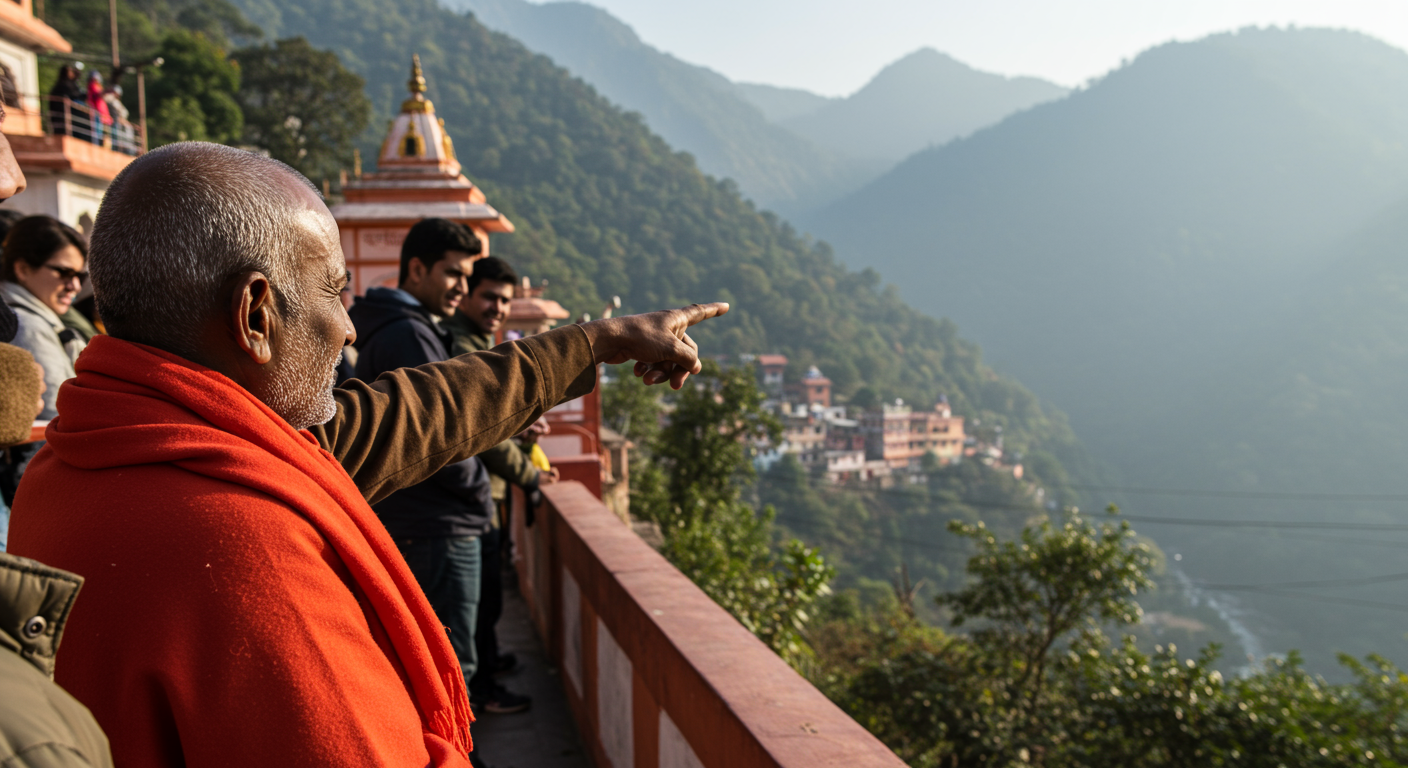
The first whisper of dawn over the Ganges in Rishikesh is a moment few forget – the sacred river stirring, the distant chiming of temple bells, and the crisp, clean mountain air filling your lungs. Most travelers don’t realize that Rishikesh has completely different personalities depending on the season, offering unique experiences from tranquil yoga retreats to exhilarating white-water rafting. Choosing the best time to visit Rishikesh isn’t just about avoiding crowds; it’s about aligning your trip with the very essence of what you seek from this spiritual and adventurous haven. This guide will cut through the noise, providing practical insights on when to visit, what to expect, and how to make the most of your journey to this incredible destination.
Planning your trip to this holy city requires understanding its seasonal nuances. Whether you dream of peaceful meditation, adrenaline-pumping activities, or simply soaking in the spiritual ambiance, knowing the best time to visit Rishikesh will significantly enhance your experience. I’ve spent years exploring its hidden corners and bustling ghats, and I’m here to share the hard-won wisdom that will ensure your Rishikesh adventure is nothing short of perfect.
Understanding Rishikesh’s Seasonal Charms: Why Timing Matters
Rishikesh, nestled in the foothills of the Himalayas, offers a diverse palette of experiences throughout the year. The weather patterns here dictate not only comfort levels but also the availability of certain activities, especially those centered around the Ganges. Choosing the best time to visit Rishikesh means more than just good weather; it means experiencing the city when it truly shines for your preferred activities.
What to Expect from Rishikesh’s Seasons
The climate in Rishikesh can be broadly divided into three main seasons: winter, summer, and monsoon. Each brings its own unique set of advantages and disadvantages. For instance, winter offers pleasant temperatures ideal for sightseeing and yoga, while summer can be quite hot but is perfect for water sports enthusiasts. The monsoon transforms the landscape into a lush green paradise, though it can disrupt travel plans and adventure activities.
During the peak tourist seasons, you’ll find a vibrant atmosphere, but also higher prices and larger crowds. Conversely, off-peak times offer tranquility and better deals, but with some compromises on weather or activity options. Understanding these cycles is key to unlocking the true potential of your visit. For those seeking spiritual solace, the cooler months provide a serene environment for introspection and yoga. If adventure calls, specific windows open up for rafting and trekking. It’s about finding that sweet spot that aligns with your personal travel goals. A local detail worth noting: while the Ganges flows year-round, its fierce post-monsoon currents are what make rafting truly thrilling, often peaking from September to November.
Who Each Season is Best For
If your heart yearns for spiritual retreats, yoga, and meditation, then the post-monsoon and winter months (October to March) are undoubtedly the best time to visit Rishikesh. The weather is cool, clear, and conducive to spending long hours in ashrams like Parmarth Niketan or exploring temples without the oppressive heat. This period is also excellent for trekking to places like Patna Waterfall, where the trails are dry and the views are spectacular. The annual International Yoga Festival, usually held in March, draws practitioners from across Rishikesh and the globe, making it a particularly vibrant time for yogis.
You might also be interested in: Read more about: What Defines Experiential Dining: Discov…
For thrill-seekers and adventure enthusiasts, the summer months (April to June) are surprisingly popular for white-water rafting. Despite the rising temperatures, the river levels are perfect for navigating the rapids of Shivpuri. However, be prepared for hot days and cool evenings. The monsoon season (July to September) transforms Rishikesh into a verdant landscape, ideal for nature lovers and those seeking quiet introspection, but adventure sports are largely suspended due to safety concerns. If you’re looking for the very best time to visit Rishikesh in Rishikesh for a balanced experience of both spirituality and mild adventure, aim for the shoulder seasons of October-November and February-March.
Insider Tip: “Many travelers overlook the late autumn (October-November) as the absolute sweet spot. The monsoon has just cleared, leaving behind a freshly washed landscape, vibrant green hills, and the Ganges flowing powerfully yet safely for rafting. The air is crisp, and the major festive rush hasn’t quite begun, offering a perfect blend of activity and serenity.”
Planning Your Perfect Rishikesh Journey: A Practical How-To Guide
Once you’ve decided on the best time to visit Rishikesh based on your interests, the next step is meticulous planning. Rishikesh is a popular destination, and a little foresight can save you significant hassle and enhance your overall experience. From travel logistics to daily essentials, here’s how to prepare for your unforgettable trip.
Getting There and Around Rishikesh
Rishikesh is well-connected and accessible. The nearest airport is Jolly Grant Airport (DED) in Dehradun, about 35 km away. From there, taxis are readily available and cost approximately INR 1000-1500 (as of 2026). If you’re coming by train, the Rishikesh railway station is now well-connected, though many still prefer हरिद्वार (Haridwar) as a major railhead, which is just an hour’s drive away. Buses also connect Rishikesh to major cities like Delhi and Haridwar.
Once you arrive, getting around Rishikesh is relatively easy. Walking is the best quality in Rishikesh for exploring the ghats, ashrams, and local markets, especially around Laxman Jhula and Ram Jhula. For longer distances, shared auto-rickshaws (tuk-tuks) are economical, typically costing INR 20-50 for short rides within the town. Private taxis can also be hired for day trips to nearby attractions or for more comfortable travel. Remember, many parts of Rishikesh, especially around the bridges, are pedestrian-only zones, so be prepared to walk and soak in the atmosphere.
You might also be interested in: Read more about: Thrill Seeker’s Guide to Skywalk & Cliff…
Essential Preparations: What to Pack and Book
Your packing list will largely depend on the season you choose for the best time to visit Rishikesh in Rishikesh. Here’s a general guide:
- Clothing: Light cottons for summer (along with a light jacket for evenings), warm layers for winter (thermals, sweaters, jackets), and rain gear for monsoon. Always include modest clothing suitable for temple visits and ashrams.
- Footwear: Comfortable walking shoes are a must. Sandals or flip-flops are good for casual wear. If planning treks, proper hiking shoes.
- Essentials: Sunscreen, insect repellent, a reusable water bottle, a small first-aid kit, and any personal medications.
- Documents: Valid ID, booking confirmations, and travel insurance details.
Booking accommodation well in advance, especially during peak season (October-March) and festival times (like the Yoga Festival or Diwali), is crucial. Popular ashrams like Parmarth Niketan and guesthouses around Laxman Jhula fill up quickly. For adventure activities like rafting, it’s advisable to book with certified operators. You’ll find many experts in Rishikesh offering these services, but always check reviews and safety records.
Insider Tips & Best Practices for Rishikesh Visitors
Beyond the basic planning, there are always those little nuggets of wisdom that transform a good trip into an extraordinary one. Having explored Rishikesh extensively, I’ve gathered some insider tips that will help you navigate its unique charm and avoid common pitfalls.
Maximizing Your Rishikesh Experience: Best Times of Day & Hidden Gems
To truly experience the spiritual pulse of Rishikesh, wake up early. The morning aarti (prayer ceremony) at Triveni Ghat and the sunrise over the Ganges are truly magical. Evening aartis, particularly the Ganga Aarti at Parmarth Niketan, are also unmissable, though they attract larger crowds. For adventure activities, mornings are generally preferred due to cooler temperatures and calmer waters.
While Laxman Jhula and Ram Jhula are iconic, don’t miss some of Rishikesh’s underrated gems. Take a trek to the secluded Patna Waterfall, a truly refreshing experience reached through a dense forest trail. Another serene spot is Rishikund, an ancient sacred pond near Raghunath Temple, known for its tranquil waters and the reflection of the Shani temple. These places offer a peaceful escape from the bustling main areas and provide a glimpse into the natural beauty that surrounds Rishikesh. Exploring these lesser-known spots often reveals the true, untouched spirit of the region.
You might also be interested in: Explore Rishikesh Adventures on Bucketlistt
Navigating Cultural Norms and Staying Safe
Rishikesh is a holy town, and respecting local customs is paramount. Dress modestly, especially when visiting temples or ashrams. Public display of affection is generally frowned upon. Alcohol and non-vegetarian food are largely prohibited within the municipal limits, reflecting the town’s spiritual ethos. Embrace the vegetarian cuisine; it’s delicious and diverse!
Safety is always a concern for travelers. While Rishikesh is generally safe, especially for tourists, it’s wise to take precautions. Be mindful of your belongings in crowded areas. When engaging in adventure sports, always choose reputable operators; ask for their certifications and ensure they follow safety protocols. The Ganges can have strong currents, so only swim in designated, safe areas, preferably under supervision. Always carry some cash, as not all vendors accept digital payments, especially in smaller shops or remote areas. Lastly, for those interested in yoga or meditation, seeking out top-rated in Rishikesh ashrams or teachers is highly recommended to ensure a quality experience.
The best time to visit Rishikesh is also about being prepared for the unexpected. While summer brings the heat, it also brings vibrant flora and fauna to life in the surrounding forests. Monsoon, though challenging for travel, offers a unique opportunity to witness the Ganges in its full, majestic glory, and the spiritual atmosphere often feels more intense and reflective during this time. Winter, with its clear skies and cool temperatures, is perfect for those long, contemplative walks along the riverbanks, allowing for a deeper connection with the spiritual energy of the place.
Rishikesh is one of those rare destinations that genuinely delivers on its reputation — whether you come for the adrenaline, the spirituality, or simply to sit by the Ganga and think. This guide covered best best time to visit rishikesh in rishikesh, best time to visit rishikesh, best time to visit rishikesh in rishikesh, giving you the practical knowledge to plan a memorable visit. If you want a curated list of verified operators and activity packages, you can browse options on Bucketlistt.
Frequently Asked Questions about the Best Time to Visit Rishikesh
What is the absolute best time to visit Rishikesh for a first-timer?
For first-timers seeking a balanced experience of spirituality, mild adventure, and pleasant weather, October to March is generally considered the best time to visit Rishikesh. This period offers cool, clear skies perfect for exploring and participating in activities.
Is Rishikesh safe for solo female travelers?
Rishikesh is generally considered safe for solo female travelers, particularly in the main tourist areas. However, like any destination, it’s advisable to be aware of your surroundings, avoid walking alone in secluded areas after dark, and dress modestly to respect local culture. Many ashrams offer secure accommodation.
What activities are available during the monsoon season in Rishikesh?
During the monsoon (July-September), white-water rafting and trekking are usually suspended due to safety concerns. However, it’s a beautiful time for spiritual retreats, yoga, and enjoying the lush green landscapes. Indoor activities, cooking classes, and exploring ashrams are popular.
How much does white-water rafting cost in Rishikesh?
The cost for white-water rafting in Rishikesh varies based on the stretch (e.g., Shivpuri to Rishikesh) and the operator. As of 2026, expect to pay anywhere from INR 600 to INR 1800 per person for a standard rafting trip, including safety gear and guides. Longer or more advanced routes may cost more.
Can I swim in the Ganges River in Rishikesh?
Yes, you can swim in the Ganges, and it’s considered a holy act by many. However, exercise extreme caution. The currents can be very strong, especially after the monsoon. It’s recommended to only swim in designated ghats where the water is calmer, and ideally under the supervision of locals or guides.
What is the dress code for visiting temples and ashrams in Rishikesh?
When visiting temples and ashrams in Rishikesh, it is essential to dress modestly. This means covering your shoulders and knees. Loose-fitting, comfortable clothing made of natural fabrics is ideal, especially given the climate. Removing your shoes before entering is also a common practice.
Are there ATMs readily available in Rishikesh?
Yes, Rishikesh has numerous ATMs, especially in the main market areas and near Laxman Jhula and Ram Jhula. However, it’s always a good idea to carry some cash, especially for smaller purchases or when venturing to less commercialized areas. Connectivity for digital payments can sometimes be inconsistent.
What makes the period from October to March the best time to visit Rishikesh?
The period from October to March is often cited as the best time to visit Rishikesh due to its ideal weather conditions. The temperatures are mild and pleasant, perfect for sightseeing, yoga, and adventure sports like rafting, which resume after the monsoon. The skies are generally clear, offering stunning views of the surrounding Himalayas and the Ganges.