Embarking on Your Rishikesh Journey: An Introduction
The Allure of Rishikesh: Gateway to the Himalayas
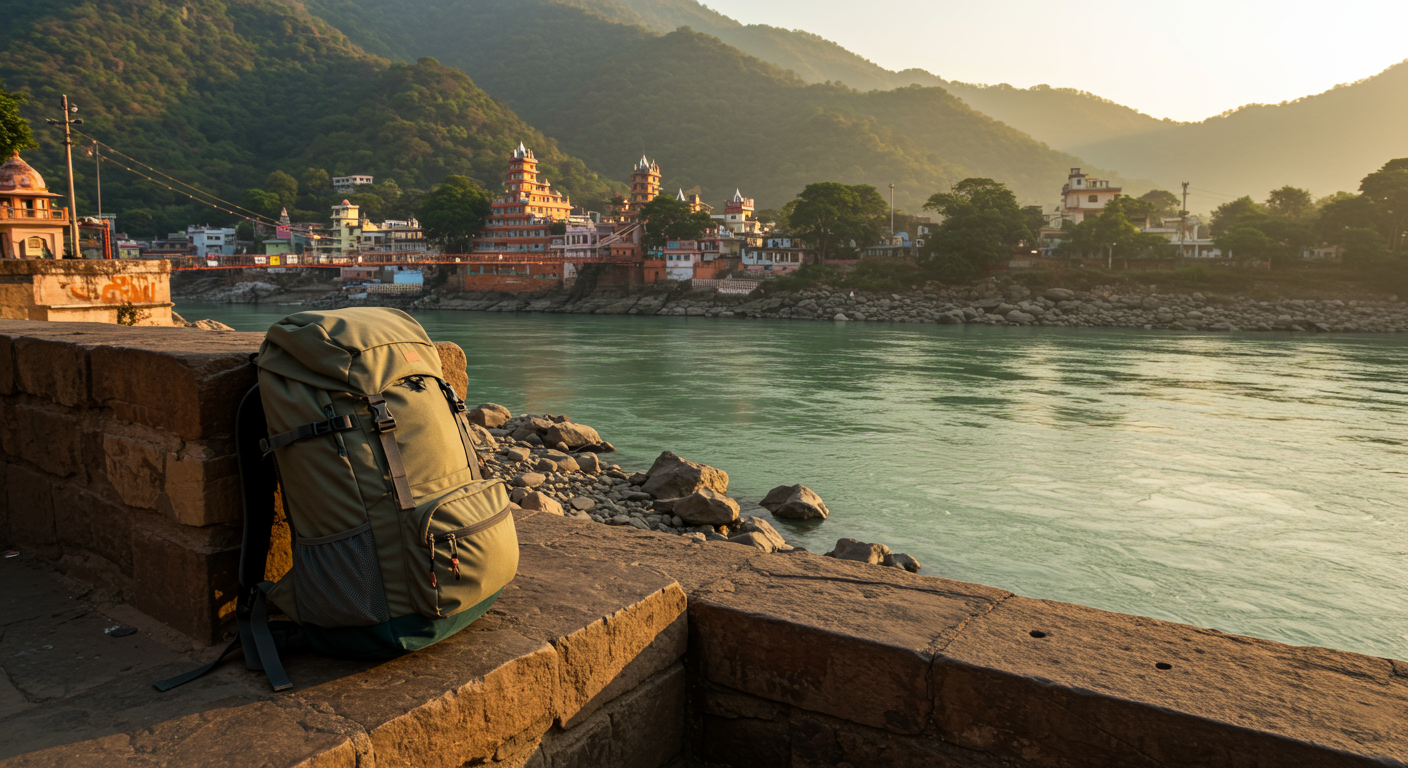
Imagine the crisp morning air, the scent of incense, and the gentle murmur of the Ganges River as it flows through ancient valleys. This isn’t just a dream; it’s the everyday reality awaiting you in Rishikesh, a place where spirituality and adventure converge. As an experienced traveler, I’ve spent considerable time soaking in the unique atmosphere of this sacred town, and I’m here to share the most essential Rishikesh travel tips & planning insights to ensure your visit is nothing short of magical. Forget generic guides; this is your practical roadmap for navigating the ‘Yoga Capital of the World’ in 2026.
Most travelers don’t realize that Rishikesh has two completely different personalities: the serene, spiritual ashram life upstream and the bustling, adventurous hub downstream. Understanding this duality is key to maximizing your experience. This comprehensive guide will equip you with everything you need for effective rishikesh travel tips & planning, from how to get there and what to pack, to discovering hidden gems and experiencing authentic local culture. Prepare to transform your trip from ordinary to extraordinary with these expert recommendations.
What You’ll Discover Here: Practical Wisdom for Travelers
Within these pages, you’ll find not just advice, but actionable strategies for your journey. We’ll delve into the best times to visit, how to manage your budget, and crucial safety considerations. My goal is to provide specific, hard-won advice that answers the real questions you have, making your rishikesh travel tips & planning effortless. We’ll explore everything from the vibrant Ganga Aarti ceremonies to thrilling white-water rafting expeditions, ensuring you leave Rishikesh with unforgettable memories and a deeper sense of peace.
Unveiling Rishikesh: More Than Just a Yoga Capital
The Spiritual Heartbeat of Rishikesh
Rishikesh holds a profound spiritual significance, drawing pilgrims, yogis, and seekers from across the globe. It’s believed that meditating here leads to salvation, and the town is dotted with countless ashrams, temples, and meditation centers. One of the most prominent is Parmarth Niketan, one of the largest ashrams in Rishikesh. Known for its spiritual atmosphere and daily yoga classes, it hosts the famous Ganga Aarti ceremony every evening. Witnessing this fire ritual on the banks of the Ganges, with chanting and lamps floating downstream, is a truly transformative experience, often described as the highlight of any visit.
Beyond the ashrams, the very air in Rishikesh feels charged with devotion. The Lakshman Jhula and Ram Jhula bridges, iconic landmarks, offer pedestrian access across the sacred river and are bustling with sadhus, tourists, and locals. Taking a dip in the holy Ganges is a ritual many partake in, believing it cleanses sins. You’ll find numerous ghats, like Triveni Ghat, where these purifying baths occur. Experiencing the spiritual side of Rishikesh isn’t just about visiting sites; it’s about embracing the tranquility and the collective energy of devotion that permeates the town.
You might also be interested in: Read more about: Unlocking Rishikesh: Your Guide to the B…
Adventure Awaits in the Yoga Capital
While spirituality forms the core of Rishikesh, its geographic location at the foothills of the Himalayas makes it a prime destination for adventure sports. For thrill-seekers, Shivpuri, located about 19km from the main town, is the undisputed hub of adventure in Rishikesh. This is where you’ll find the starting points for exhilarating white-water rafting experiences on the Ganges. There are various grades of rapids, suitable for both beginners and experienced rafters, offering an adrenaline rush amidst breathtaking natural beauty.
Beyond rafting, Rishikesh offers a plethora of activities. Bungee jumping from India’s highest cantilever platform, giant swing, and flying fox are popular choices for those seeking extreme thrills. Trekking to picturesque spots like the Neer Garh Waterfall, a series of three beautiful waterfalls accessible via a short hike, provides a refreshing escape into nature. The hike itself is invigorating, leading you through lush greenery to cascading waters perfect for a cool dip. Whether you’re a seasoned adventurer or a curious beginner, the adventure sports scene in Rishikesh provides ample opportunities to challenge yourself and create lasting memories.
Essential Rishikesh Travel Tips & Planning for a Seamless Journey
Navigating Your Arrival and Stay: Getting There and Around
Effective rishikesh travel tips & planning begins with understanding logistics. The nearest airport to Rishikesh is Jolly Grant Airport (DED) in Dehradun, approximately 35 km away. From there, you can easily hire a pre-paid taxi for around INR 1000-1500 directly to Rishikesh. The nearest railway station is Rishikesh Railway Station, well-connected to major Indian cities. Alternatively, many travelers opt for overnight buses from Delhi, which are economical and frequent.
Once you arrive, getting around Rishikesh is fairly straightforward. Auto-rickshaws are abundant and convenient for shorter distances; always agree on the fare beforehand. For example, a ride from the railway station to Lakshman Jhula might cost INR 150-200. For longer distances or a more scenic experience, local taxis are available. Many areas, especially around the main bridges and ashrams, are best explored on foot, allowing you to truly immerse yourself in the local atmosphere. Here’s a quick checklist for your arrival:
You might also be interested in: Read more about: Conquer the Ganges: Your Ultimate BUCKET…
- Book accommodation in advance: Especially during peak seasons (March-June, Oct-Nov) and festival times. Options range from budget guesthouses to luxury resorts and ashram stays.
- Carry valid ID: Essential for hotel check-ins and adventure activity bookings.
- Pre-arrange airport/station transfers: Reduces hassle upon arrival, particularly if arriving late.
- Familiarize yourself with local transport: Know typical auto-rickshaw fares to avoid overpaying.
Budgeting and Packing Smart for Rishikesh
Budgeting is a critical aspect of rishikesh travel tips & planning. Rishikesh can be quite affordable. A comfortable budget for a day, including basic accommodation, two meals, and local transport, could range from INR 1500-2500 per person. Meals at local eateries (dhabas) can cost as little as INR 150-300 for a satisfying thali. Yoga classes typically range from INR 200-500 per session, while white-water rafting can cost INR 800-1500 depending on the stretch. Look for best quality in Rishikesh when choosing adventure operators; safety should always be your priority.
When packing, think practical and modest. Rishikesh is a spiritual town, so conservative clothing is advisable, especially when visiting temples or ashrams. Light cotton clothes are ideal for warmer months, while layers are essential for cooler evenings and winter. Don’t forget:
- Comfortable walking shoes: You’ll be doing a lot of walking.
- Reusable water bottle: Stay hydrated and reduce plastic waste.
- Sunscreen, hat, and sunglasses: The sun can be intense.
- Basic first-aid kit: For minor cuts or ailments.
- Insect repellent: Especially for evenings near the river.
- Power bank: To keep your devices charged.
Consider consulting with experts in Rishikesh for specific activity bookings. They can provide tailored advice and ensure you have a safe and enjoyable experience.
Beyond the Guidebook: Insider Rishikesh Travel Tips & Planning
Timing Your Visit Perfectly: Seasons and Festivals
Choosing the right time to visit is paramount for optimal rishikesh travel tips & planning. The best time to experience Rishikesh is generally from late September to mid-November and from early March to early May. During these periods, the weather is pleasant, ideal for both spiritual activities and adventure sports. Winters (December-February) are cool and clear, perfect for yoga and meditation, though rafting might be less comfortable. Summers (June-September) bring intense heat and then the monsoon. While the monsoon transforms the landscape into lush greenery, it can disrupt travel plans due to heavy rains and river levels, making rafting risky.
“For an authentic experience, aim to be in Rishikesh during a major festival like the International Yoga Festival (usually March) or Diwali (Oct/Nov). The town comes alive with unique energy, but be prepared for larger crowds and book everything well in advance.”
An insider tip: aim to attend the Ganga Aarti at Parmarth Niketan just before sunset, around 5:30 PM. Arrive early (at least 30-45 minutes before) to secure a good spot, as it gets incredibly crowded. The sunset over the Ganges during the Aarti is truly a sight to behold.
You might also be interested in: Explore Rishikesh Adventures on Bucketlistt
Discovering Rishikesh’s Hidden Charms
While the main attractions are wonderful, some of the most rewarding experiences come from exploring Rishikesh’s lesser-known spots. For those seeking deep tranquility and spiritual solace, a visit to Vashishta Gufa (Cave) is highly recommended. Located on the banks of the Ganges, this ancient cave is where the revered sage Vashishta meditated for years. The serene atmosphere inside is palpable, offering a profound sense of peace away from the bustling town. It’s a place that resonates with centuries of spiritual energy.
Another underrated gem for introspection is Jhilmil Gufa, a group of three caves nestled in the forest near the Neelkanth Mahadev Temple. These caves were traditionally used for deep meditation by sadhus and offer a unique opportunity for quiet contemplation amidst nature. The trek to these caves itself is an adventure, taking you through verdant landscapes. Exploring these less-trodden paths provides a different perspective on Rishikesh and allows for truly personal spiritual encounters. These hidden spots offer a deeper connection to the region’s mystical heritage, making them invaluable additions to your rishikesh travel tips & planning.
When you venture out, remember that the best insights often come from local interactions. Don’t hesitate to engage with shopkeepers, sadhus, or fellow travelers. Their stories and recommendations can lead you to unexpected discoveries across Rishikesh.
Rishikesh is one of those rare destinations that genuinely delivers on its reputation — whether you come for the adrenaline, the spirituality, or simply to sit by the Ganga and think. This guide covered best rishikesh travel tips & planning in rishikesh, rishikesh travel tips & planning, rishikesh travel tips & planning in rishikesh, giving you the practical knowledge to plan a memorable visit. If you want a curated list of verified operators and activity packages, you can browse options on Bucketlistt.
Frequently Asked Questions about Rishikesh Travel Tips & Planning
What is the best time of year to visit Rishikesh?
The ideal time to visit Rishikesh is from late September to mid-November and from early March to early May. During these months, the weather is pleasant, making it perfect for both spiritual activities and adventure sports like rafting.
Is Rishikesh safe for solo female travelers?
Yes, Rishikesh is generally considered very safe for solo female travelers, especially in the main tourist areas. However, like any travel destination, it’s always wise to exercise caution, avoid walking alone in secluded areas at night, and dress modestly.
What are the must-try local dishes in Rishikesh?
Rishikesh is a vegetarian town. You must try the local thalis, which offer a variety of seasonal vegetables, dal, and chapatis. Other popular options include aloo puri, chole bhature, and fresh fruit juices. Don’t miss the traditional sweets like jalebi and rabri.
How much does a white-water rafting trip cost in Rishikesh?
The cost for white-water rafting in Rishikesh varies depending on the stretch and duration. Typically, a 16 km rafting trip (e.g., Shivpuri to Lakshman Jhula) costs between INR 800 and INR 1500 per person, including transfers and safety equipment.
Are there ATMs readily available in Rishikesh?
Yes, there are several ATMs available in the main areas of Rishikesh, particularly around the railway station, Lakshman Jhula, and Ram Jhula. However, it’s always a good idea to carry some cash for smaller vendors and emergencies.
What is the dress code for visiting temples and ashrams?
When visiting temples and ashrams in Rishikesh, it’s respectful to dress modestly. This means covering your shoulders and knees. Loose-fitting, comfortable clothing made from natural fabrics is generally recommended.
Can I learn yoga or meditation in Rishikesh as a beginner?
Absolutely! Rishikesh is renowned as the Yoga Capital of the World and offers countless opportunities for beginners to learn yoga and meditation. Many ashrams and yoga centers provide drop-in classes, short courses, and even immersive retreats tailored for all experience levels.
What local souvenirs should I look for in Rishikesh?
Popular souvenirs include spiritual items like rudraksha beads, idols of deities, and incense. You can also find beautiful handmade jewelry, organic Ayurvedic products, warm woolens (especially in winter), and yoga attire. Bargaining is common in local markets.
Your Next Steps to Rishikesh: Planning with Confidence
As you conclude your research into rishikesh travel tips & planning, I hope you feel well-equipped and excited for your journey. Remember the dual essence of Rishikesh: its profound spirituality and its thrilling adventurous side. Plan your itinerary to balance both, allowing time for quiet contemplation by the Ganges and exhilarating experiences in the foothills. The key takeaways from this guide are simple: plan ahead, embrace local customs, and remain open to the unexpected magic that Rishikesh unfailingly offers.
Final Thoughts for Your Journey: Embrace the Experience
Your Rishikesh adventure is more than just a trip; it’s an opportunity for discovery, both of the world and within yourself. These rishikesh travel tips & planning insights are designed to empower you, but the true journey begins when you step foot on its sacred soil. Go with an open heart, a spirit of curiosity, and a willingness to embrace the unique charm of this Himalayan gem. Safe travels, and may your time in Rishikesh be truly transformative.