Embracing the Sacred Flow: Your Journey to Spiritual & Cultural Rishikesh
The first rays of dawn paint the Himalayas in hues of gold, casting a mystical glow over the emerald Ganges as the sound of temple bells echoes through the valley. This is not a dream; this is the everyday awakening in Rishikesh, a place where ancient traditions meet serene natural beauty. Most travellers don’t realise that Rishikesh has two completely different personalities – the bustling, vibrant spiritual hubs around the bridges, and the tranquil, introspective corners perfect for meditation and deep reflection. This article is your essential guide to navigating the vibrant tapestry of spiritual & cultural Rishikesh, ensuring you uncover its deepest secrets and experience its profound energy. We’ll answer your pressing questions about what to expect, how to prepare, and the insider tips that will transform your visit to this sacred town in Uttarakhand from a simple trip into a truly transformative journey. From ancient ashrams to hidden waterfalls, prepare to immerse yourself in the authentic spirit of this unique destination.
Understanding the essence of spiritual & cultural Rishikesh is key to a fulfilling visit. It’s a place where every corner tells a story, every ghat whispers prayers, and the majestic Ganges flows with centuries of devotion. Prepare to have your senses awakened and your spirit uplifted.
Understanding the Spiritual & Cultural Rishikesh Vibe
Rishikesh, often hailed as the “Yoga Capital of the World,” is far more than just a destination for asanas and meditation. It’s a living, breathing testament to India’s rich spiritual heritage and vibrant culture. The very air here feels charged with devotion, emanating from the countless ashrams, temples, and the ceaseless flow of the holy River Ganges. For centuries, seekers, sages, and pilgrims have been drawn to this sacred spot, believing that a dip in the Ganges here, at the foothills of the Himalayas, cleanses sins and brings spiritual liberation. It’s this profound confluence of nature and spirituality that defines the unique character of spiritual & cultural Rishikesh.
The town itself is split by the Ganges, connected by the iconic Laxman Jhula and Ram Jhula suspension bridges, each offering distinct experiences. On one side, you’ll find more traditional ashrams and temples, while the other side, particularly around Swarg Ashram, has evolved into a hub for yoga schools, vegan cafes, and holistic wellness centres. This blend offers a dynamic environment where ancient practices are preserved and contemporary spiritual exploration thrives. It’s truly a place where you can find exactly what you seek, whether it’s quiet contemplation or vibrant community.
What Defines Spiritual & Cultural Rishikesh?
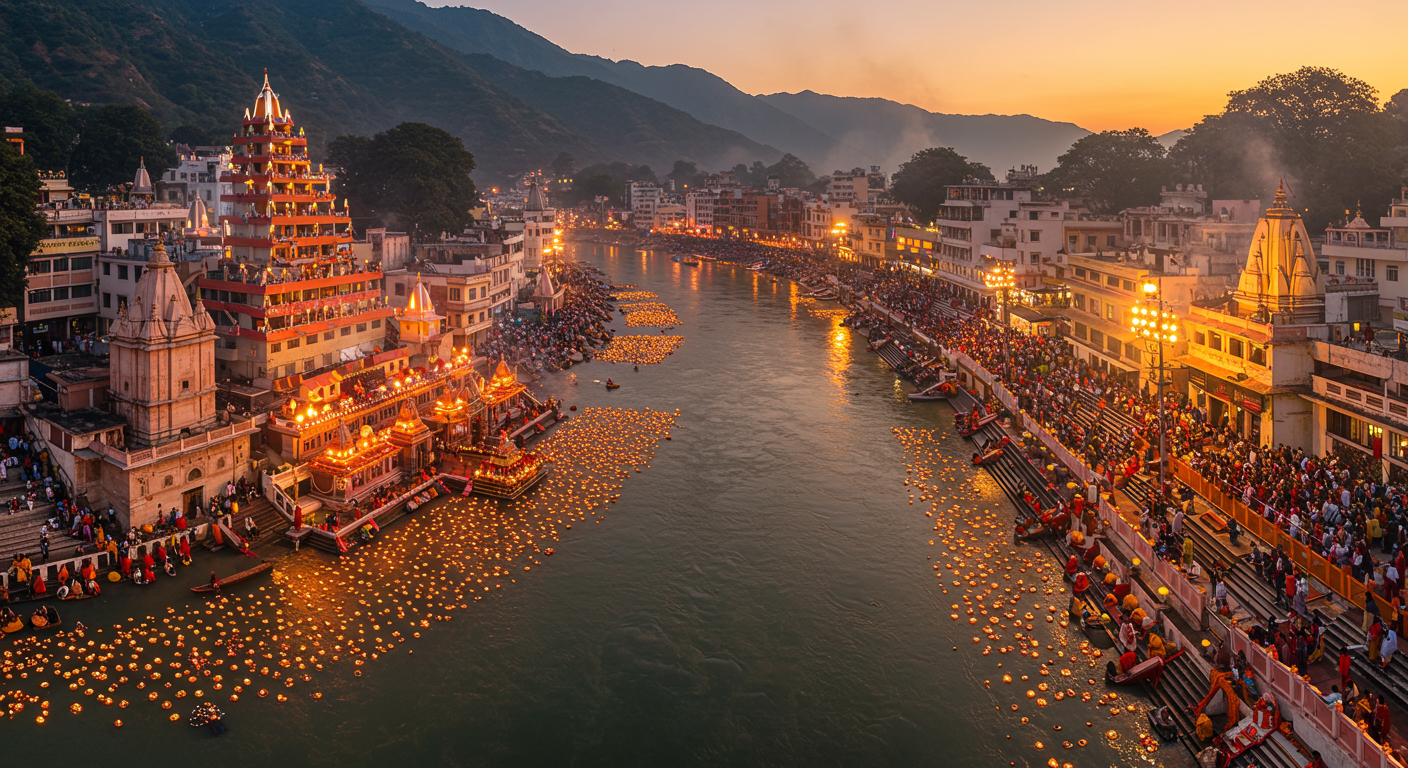
At its core, the spiritual & cultural Rishikesh experience is defined by its deep connection to the Ganges and the traditions of Yoga and Ayurveda. The daily Ganga Aarti (river worship ceremony) at Parmarth Niketan Ashram is a mesmerising spectacle of fire, hymns, and devotion that should not be missed. This ritual, performed at dusk, embodies the town’s spiritual heartbeat, drawing hundreds of devotees and tourists alike. Beyond the rituals, Rishikesh is home to numerous ashrams, each offering different spiritual paths, from Hatha Yoga and Vinyasa to meditation and philosophical studies. These institutions provide structured programs ranging from a few days to several weeks, allowing for deep immersion.
The cultural aspect is equally rich, expressed through its vibrant markets, traditional food, and the friendly, welcoming nature of its residents. You’ll find intricate handicrafts, Ayurvedic products, and spiritual books lining the narrow lanes. A typical meal at a local eatery, costing around INR 150-300 for a thali, offers a taste of the region’s simple yet flavourful vegetarian cuisine. The absence of alcohol and non-vegetarian food in much of the town further reinforces its spiritual sanctity, creating an atmosphere conducive to inner peace and reflection. Exploring the local culture is an integral part of any visit.
Why Rishikesh Captivates the Soul
Rishikesh holds an undeniable allure for anyone seeking solace, self-discovery, or a deeper connection with the divine. Its captivating power lies in its ability to offer a sanctuary from the relentless pace of modern life. Here, the rhythm of life slows down, dictated by the sunrise, the river’s flow, and the evening prayers. The majestic Himalayan backdrop provides a constant reminder of nature’s grandeur, inspiring introspection and a sense of awe. Many visitors report a profound sense of peace and clarity that they rarely experience elsewhere.
You might also be interested in: Read more about: Conquer the Ganges: Your Ultimate BUCKET…
“Rishikesh is not just a destination; it’s an experience that permeates your very being, inviting you to shed your worries and embrace a simpler, more connected way of life.”
The historical significance of sites like The Beatles Ashram (Chaurasi Kutia) adds another layer to its charm. Though now in ruins, this ashram, where The Beatles famously stayed in 1968, remains a powerful symbol of Rishikesh’s influence on global culture and spirituality. Walking through its graffiti-adorned meditation domes, one can feel the echoes of creative energy and spiritual exploration that once filled these spaces. The blend of ancient wisdom, natural beauty, and a welcoming community creates an environment where personal growth and spiritual awakening feel not just possible, but inevitable, especially for those seeking the best spiritual & cultural Rishikesh in Rishikesh.
Planning Your Best Spiritual & Cultural Rishikesh Experience
Embarking on a journey to Rishikesh requires a bit of planning to ensure you make the most of its spiritual and cultural offerings. This isn’t just about booking flights and accommodation; it’s about preparing yourself for an immersive experience. From choosing the right time to visit to understanding local customs, every detail contributes to a richer, more meaningful trip. The goal is to fully embrace the serenity and profound traditions that define the spiritual & cultural Rishikesh landscape.
Consider what kind of experience you are seeking. Are you looking for intensive yoga training, a peaceful retreat, or adventurous activities blended with spiritual exploration? Rishikesh caters to all, but knowing your priorities will help you tailor your itinerary effectively. Proper preparation ensures that your focus remains on the spiritual journey, rather than logistical hurdles.
Essential Preparations and Booking Tips
The best time to visit Rishikesh for a spiritual and cultural immersion is typically from September to November and from February to May. During these months, the weather is pleasant, making it ideal for outdoor activities, temple visits, and riverside contemplation. Avoid the monsoon season (July-August) due to heavy rains and potential disruptions, and extreme summer (June) when temperatures soar. For accommodation, options range from budget guesthouses (INR 500-1500 per night) to comfortable hotels and ashram stays (INR 1500-5000+ per night). Booking in advance, especially during peak seasons and for specific yoga retreats, is highly recommended.
When packing, prioritise comfortable, modest clothing suitable for temple visits and yoga classes. Lightweight cotton or linen fabrics are ideal. Carry essentials like sunscreen, insect repellent, a reusable water bottle, and basic first-aid. While Rishikesh is generally safe, it’s wise to keep your valuables secure. Transportation to Rishikesh is convenient: the nearest airport is Jolly Grant Airport (Dehradun), about 35 km away, with direct flights from major Indian cities. From the airport, a taxi will cost around INR 1000-1500. Haridwar is the nearest major railway station, approximately 25 km away, with taxis costing INR 700-1000. Many travellers find the taxi services top-rated in Rishikesh for reliability.
You might also be interested in: Read more about: Ultimate Guide to Family Adventures in R…
- Book Accommodation Early: Especially for popular ashrams or during festivals.
- Pack Modestly: Shoulders and knees covered for temple visits and local respect.
- Stay Hydrated: Carry a reusable water bottle and drink purified water.
- Carry Cash: Many smaller shops and eateries prefer cash (Indian Rupees).
- Travel Insurance: Always a good idea for unexpected situations.
Daily Immersion: Activities and Etiquette
Once you’ve settled in, your days in Rishikesh can be as structured or as free-flowing as you desire. A must-do is attending the Ganga Aarti at Parmarth Niketan around sunset. Arrive early to secure a good spot. Participating in a yoga or meditation session at one of the many ashrams or yoga centres is another core experience. Many offer drop-in classes for around INR 200-500. Exploring the iconic Laxman Jhula and Ram Jhula bridges, with their bustling markets and spiritual energy, is an adventure in itself. Remember to remove your shoes before entering temples and ashrams, and always ask for permission before taking photos of people.
Beyond the main attractions, seek out natural wonders like Neer Garh Waterfall, accessible via a short hike (entry fee around INR 50). The series of three waterfalls provides a refreshing escape and a chance to connect with nature’s tranquility. Respect the local customs and environment; avoid littering and maintain a quiet demeanour in sacred spaces. Embrace the vegetarian lifestyle and the alcohol-free environment, as it’s part of the spiritual ethos of the town. This respectful approach will enhance your understanding and appreciation of the spiritual & cultural Rishikesh in Rishikesh.
Consider dedicating a morning to mindful walking along the riverbanks, observing the pilgrims and sadhus, or simply sitting by the Ganges in quiet contemplation. This allows for a deeper connection to the spiritual energy that permeates the area. Many travellers also enjoy attending satsangs (spiritual discourses) offered by various ashrams, which are often free and open to the public, providing insights into yogic philosophy and practices.
Unveiling Rishikesh’s Hidden Gems & Practical Advice
While the popular spots in Rishikesh are undoubtedly captivating, some of the most profound and authentic experiences lie off the main tourist trail. Discovering these lesser-known treasures, combined with practical advice, can elevate your journey from a standard visit to a truly immersive exploration of the spiritual & cultural Rishikesh. These insider tips will help you connect more deeply with the local essence and avoid common tourist pitfalls.
Beyond the well-trodden paths, Rishikesh holds pockets of serene beauty and ancient history that offer unique perspectives. These are the places locals cherish and where you can experience a quieter, more intimate side of the town’s spiritual landscape. Knowing how to navigate these areas safely and respectfully is part of becoming a seasoned traveller.
Beyond the Beaten Path: Underrated Spiritual & Cultural Sites
To truly experience the depth of spiritual & cultural Rishikesh, venture beyond the main ghats and bridges. One such hidden gem is Rishikund, an ancient sacred pond located near the Raghunath Temple. Legend has it that the Ganges itself filled this pond, and it’s known for its unique reflection of the Shani temple. It’s a peaceful spot for quiet contemplation, far from the crowds, offering a glimpse into the town’s ancient mythological roots.
You might also be interested in: Explore Rishikesh Adventures on Bucketlistt
Another serene escape is Garud Chatti Waterfall, a beautiful cascade near the Neelkanth Mahadev Temple road. It requires a short trek but rewards visitors with pristine natural beauty and a tranquil atmosphere, perfect for those seeking solitude and a refreshing dip. Unlike the more popular Neer Garh, Garud Chatti offers a more secluded experience, making it a favourite among those who know. Consulting with local experts in Rishikesh for guided treks to these spots can enhance your safety and knowledge.
For a unique cultural insight, explore the smaller, local temples nestled in the lanes of Rishikesh. These often host intimate pujas and offer a more personal connection to local devotions. Don’t hesitate to engage with local shopkeepers or sadhus, as they often share fascinating stories and insights into the spiritual fabric woven across Rishikesh. These interactions are invaluable for understanding the local way of life.
Safety, Health, and Respectful Travel
Rishikesh is generally a safe destination, but like any travel, it pays to be aware. Always drink bottled or purified water. Tap water is not safe for consumption. Be mindful of street food hygiene; opt for busy stalls with high turnover. For minor ailments, local pharmacies are well-stocked, and there are several clinics. In case of emergency, AIIMS Rishikesh is a major hospital nearby. When engaging in adventure sports like rafting, always choose licensed and reputable operators. A half-day rafting trip typically costs around INR 600-1000 per person, depending on the stretch and season.
Respect for local culture and customs is paramount. Dress modestly, especially when visiting religious sites. Avoid public displays of affection. The spiritual atmosphere is revered, so maintain a respectful volume, especially in ashrams and by the river. Bargaining is common in markets, but do so politely and with a smile. Remember that Rishikesh is a holy city for many, and treating it with reverence enhances not only your experience but also contributes positively to the community. Embrace the vegetarian diet and the lack of alcohol; it’s part of the authentic Rishikesh experience.
It’s also advisable to carry a small torch or headlamp if you plan to walk around after dark, as some lanes can be dimly lit. While the spiritual energy is strong, common sense and awareness will ensure a smooth and enjoyable journey through the sacred land of Rishikesh. Always trust your instincts, and if a situation feels uncomfortable, politely remove yourself.
Rishikesh is one of those rare destinations that genuinely delivers on its reputation — whether you come for the adrenaline, the spirituality, or simply to sit by the Ganga and think. This guide covered best spiritual & cultural rishikesh in rishikesh, spiritual & cultural rishikesh, spiritual & cultural rishikesh in rishikesh, giving you the practical knowledge to plan a memorable visit. If you want a curated list of verified operators and activity packages, you can browse options on Bucketlistt.
Frequently Asked Questions about Spiritual & Cultural Rishikesh
What is the best time to visit Rishikesh for spiritual activities?
The ideal times are from September to November and February to May. The weather is pleasant, making it perfect for exploring the spiritual & cultural Rishikesh sites and engaging in outdoor activities like yoga and meditation.
Is Rishikesh safe for solo female travellers?
Rishikesh is generally considered safe for solo female travellers, especially in the main tourist areas. However, it’s always advisable to exercise caution, avoid walking alone in secluded areas after dark, and dress modestly to respect local customs while experiencing the best spiritual & cultural Rishikesh in Rishikesh.
What are the must-attend spiritual ceremonies in Rishikesh?
The Ganga Aarti at Parmarth Niketan Ashram every evening is an absolute must-attend. It’s a mesmerizing fire ceremony that encapsulates the spiritual essence of Rishikesh. Many ashrams also offer morning and evening prayers and meditation sessions.
Can I find authentic yoga and meditation retreats?
Absolutely. Rishikesh is renowned as the Yoga Capital of the World, offering a wide array of authentic yoga and meditation retreats for all levels. Look for certified schools and ashrams that align with your spiritual goals for the most profound spiritual & cultural Rishikesh experience.
What should I wear when visiting temples and ashrams?
When visiting sacred sites, it’s essential to dress modestly. This means covering your shoulders and knees. Loose-fitting, comfortable clothing made of natural fabrics like cotton or linen is highly recommended for exploring the spiritual & cultural Rishikesh.
Are there any hidden gems or less crowded spots to visit?
Yes, for a quieter experience, consider visiting Rishikund, an ancient sacred pond near Raghunath Temple, or trekking to Garud Chatti Waterfall. These spots offer serene beauty away from the main tourist hubs, providing a more intimate connection with the spiritual landscape.
Is it easy to find vegetarian and vegan food options?
Yes, Rishikesh is a vegetarian and alcohol-free city, making it incredibly easy to find delicious vegetarian and vegan food options. From traditional Indian thalis to international vegan cafes, the culinary scene perfectly complements the spiritual & cultural Rishikesh lifestyle.
What is the local currency and typical cost of a meal?
The local currency is the Indian Rupee (INR). A typical vegetarian meal at a local eatery can range from INR 150 to 300, while a basic cup of chai might cost around INR 20-50. Prices for food and accommodation are generally very affordable in Rishikesh.