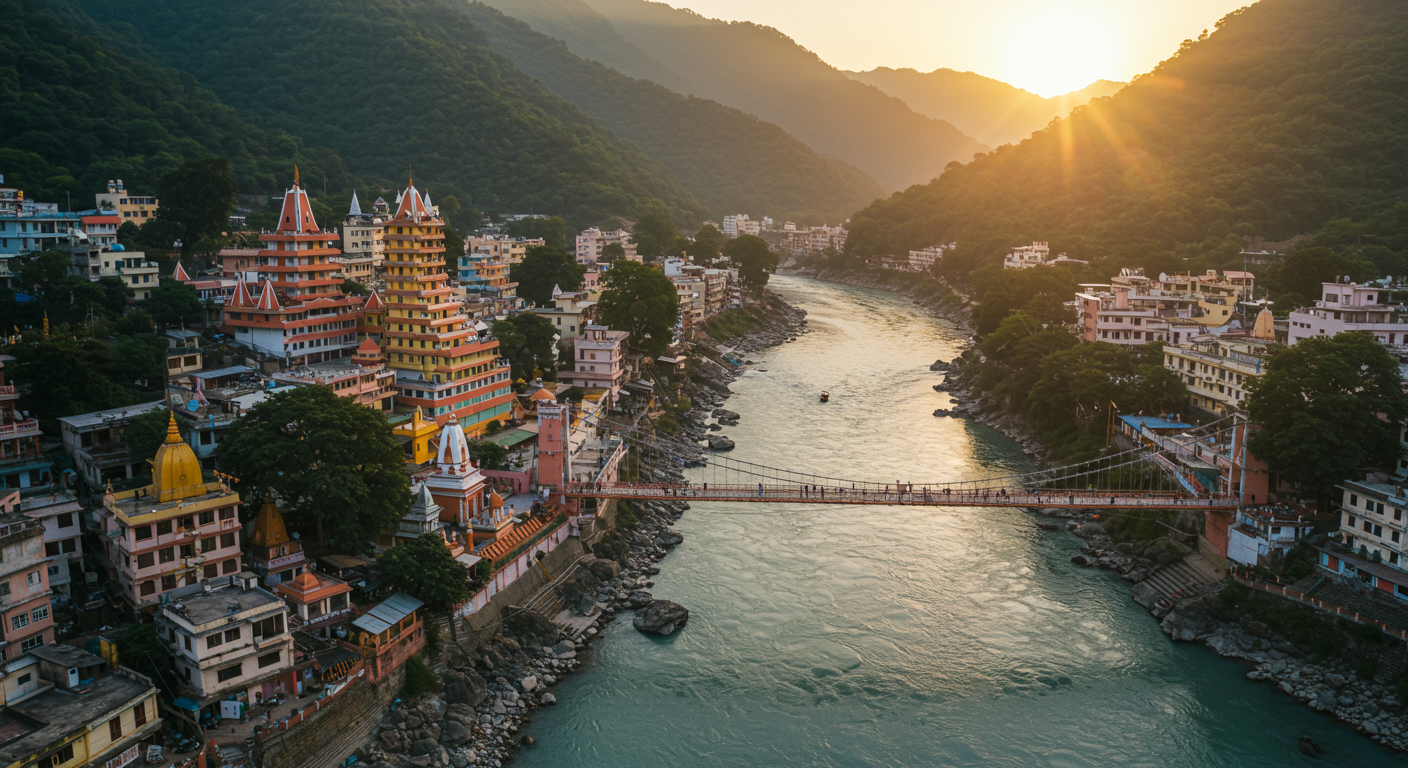
The cool morning mist rising from the Ganges, carrying the faint scent of incense and the distant chime of temple bells – that’s the authentic awakening of Rishikesh. Most travellers don’t realise that this vibrant town, nestled in the Himalayan foothills, offers a dual personality: a profound spiritual sanctuary and an exhilarating adventure playground. As someone who has spent considerable time exploring its nooks and crannies, I can tell you that understanding these layers is key to unlocking its magic. This guide will cut through the noise, providing you with practical, actionable advice on the absolute best places to visit in Rishikesh for your 2026 journey, answering all your burning questions about where to go, what to do, and how to make the most of your time.
Planning a trip to a destination as diverse as Rishikesh can feel overwhelming. You might be wondering about the sacred sites, the adventure activities, or perhaps those hidden gems only locals know about. This comprehensive guide is designed to be your trusted companion, offering detailed insights into the most significant places to visit in Rishikesh, ensuring you experience both its serene spirituality and its thrilling adventures. We’ll cover everything from must-see landmarks to practical logistics, helping you craft an unforgettable itinerary tailored to your interests and budget.
Unveiling the Spiritual and Scenic Wonders: Places to Visit in Rishikesh
Rishikesh, often dubbed the “Yoga Capital of the World,” is a magnet for spiritual seekers, adventure enthusiasts, and nature lovers alike. Its unique position on the banks of the sacred Ganges, framed by the majestic Himalayas, creates an atmosphere unlike any other. When considering places to visit in Rishikesh, you’re looking at a blend of ancient traditions and modern thrills. Understanding the significance of each site helps you appreciate your journey more deeply.
Sacred Rituals and Iconic Crossings
No visit to Rishikesh is complete without immersing yourself in its spiritual heart. The Ganges River is not just a geographical feature; it’s a living deity, and the ghats along its banks are where life unfolds. The most prominent among these is Triveni Ghat, a revered bathing spot where three holy rivers are believed to converge. Every evening, this ghat transforms into a spectacular arena for the Ganga Aarti, a fire ceremony performed by priests. The rhythmic chanting, the flickering lamps, and the collective devotion create an incredibly moving experience. You can purchase a small floating lamp offering for about 50-100 INR from local vendors to release onto the river, a gesture of prayer and hope. This is truly one of the essential places to visit in Rishikesh in Rishikesh for cultural immersion.
Further upstream, the iconic suspension bridges, Laxman Jhula and Ram Jhula, serve as both vital crossings and popular viewpoints. These bridges, swaying gently above the emerald green waters, connect various ashrams, temples, and markets. Walking across them, with the river flowing beneath and the mountains towering above, offers panoramic vistas and a chance to observe the bustling local life. Laxman Jhula, believed to be the spot where Lord Lakshman crossed the Ganges on a jute rope, is surrounded by shops selling spiritual items, clothes, and food. Ram Jhula, slightly newer, leads to Parmarth Niketan Ashram, known for its grander evening Aarti ceremony. Exploring these bridges and their surrounding areas is a fundamental part of experiencing the spiritual essence of Rishikesh.
You might also be interested in: Read more about: Exploring Rishikesh Food & Local Culture…
Who These Experiences Are Best For
The spiritual and iconic sites of Rishikesh cater to a broad spectrum of visitors. Triveni Ghat and the Ganga Aarti are ideal for anyone seeking a profound cultural experience, regardless of their religious beliefs. It’s particularly impactful for those interested in Hinduism, meditation, or simply witnessing a vibrant ancient ritual. Families, solo travellers, and couples will find the atmosphere captivating. For photographers, the evening Aarti offers incredible visual opportunities. Meanwhile, the bridges, Laxman Jhula and Ram Jhula, are perfect for explorers who enjoy leisurely strolls, people-watching, and soaking in the local ambiance. They are accessible to almost all fitness levels, though navigating the crowds requires a bit of patience. These areas also serve as excellent starting points for discovering other nearby temples and ashrams, making them central to any itinerary focused on the spiritual aspects of places to visit in Rishikesh.
“Rishikesh is more than just a destination; it’s an experience that awakens the senses and calms the soul. Don’t rush through the spiritual sites; allow yourself to be absorbed by their energy.”
Navigating Your Adventure: Practicalities for Places to Visit in Rishikesh
Beyond its spiritual allure, Rishikesh is a renowned hub for adventure sports, particularly white-water rafting. Planning your adventure requires a bit of foresight to ensure a safe and enjoyable experience. This section focuses on the practical steps and considerations for engaging with the more thrilling places to visit in Rishikesh.
Preparation and Essential Logistics
When preparing for adventure activities like river rafting, especially in areas like Shivpuri, which is approximately 19 km from Rishikesh town, a few key things are essential. First, always book with a certified and reputable operator. Safety should be your paramount concern. Check their equipment quality, guide certifications, and emergency protocols. You can often find several top-rated in Rishikesh adventure operators near Laxman Jhula or through your accommodation. A typical rafting trip can cost anywhere from 1000 INR to 2000 INR per person, depending on the stretch of the river and the season. These prices often include transportation to the starting point and back.
What to wear and bring for rafting:
- Lightweight, quick-drying clothing: Avoid cotton which stays wet. Synthetics are best.
- Secure footwear: Sandals with straps or water shoes are ideal. No flip-flops.
- Sunscreen and sunglasses: The sun can be intense on the water.
- Waterproof bag: To protect your phone, wallet, and other essentials.
- Change of clothes: For after the activity.
- Towel: A quick-dry towel is very useful.
Remember to stay hydrated and follow all instructions from your guides. The rafting experts in Rishikesh are highly trained and prioritize your safety above all else.
You might also be interested in: Read more about: Navigate Your Adventure: The Ultimate Gu…
Getting Around and Staying Safe
Getting to the various places to visit in Rishikesh in Rishikesh is relatively straightforward. The town is well-connected by road. For local travel, auto-rickshaws and shared taxis are common and affordable. Always negotiate fares beforehand, or ensure the meter is used if available. For longer distances, such as to Shivpuri for rafting, many operators provide transport, or you can hire a private taxi. Scooters and motorcycles are also available for rent, offering flexibility, but traffic can be chaotic, so ride with extreme caution, especially if you’re not accustomed to Indian road conditions.
Safety is paramount, especially when exploring new areas. Here are some tips:
- Stay hydrated: Carry a reusable water bottle.
- Protect yourself from the sun: Use sunscreen, wear a hat, and seek shade during peak hours.
- Be mindful of your belongings: Especially in crowded areas like the ghats and markets.
- Respect local customs: Dress modestly, particularly when visiting temples and ashrams.
- Swim only in designated safe areas: The Ganges currents can be very strong.
- Inform someone of your plans: Especially if you’re trekking to waterfalls or venturing into less-populated areas.
While Rishikesh is generally safe for tourists, exercising common sense will ensure a smooth and enjoyable trip as you explore the best places to visit in Rishikesh in Rishikesh.
Beyond the Guidebook: Insider Tips for Exploring Rishikesh
To truly experience Rishikesh, you need to go beyond the popular tourist circuits and embrace some insider knowledge. These tips will help you discover the hidden charms and make your trip genuinely unique, enhancing your exploration of all the diverse places to visit in Rishikesh.
You might also be interested in: Explore Rishikesh Adventures on Bucketlistt
Optimal Timing and Seasonal Considerations
The best time to visit Rishikesh largely depends on your priorities. For adventure activities like rafting, the post-monsoon months of September to November offer ideal river conditions and pleasant weather. The spring months of March to May are also excellent, with clear skies and comfortable temperatures, perfect for yoga and spiritual retreats. The winter months, from December to February, are cooler and less crowded, making them perfect for quiet contemplation and enjoying the crisp mountain air, though rafting might be less accessible due to lower water levels and colder temperatures. The monsoon season (July-August) brings heavy rains, making some adventure activities risky and trekking trails slippery, but it transforms the landscape into a lush, vibrant green. If you’re looking for the best overall experience that combines both spiritual and adventure elements, aiming for October-November or March-April would be my top recommendation for your visit in Rishikesh.
Underrated Gems and Local Secrets
While the main attractions draw crowds, Rishikesh holds several serene and often overlooked spots that offer a different kind of beauty. One such hidden gem is Garud Chatti Waterfall, located near the Neelkanth Temple road. Unlike the more accessible waterfalls, Garud Chatti requires a short, relatively easy trek through lush forest, making the reward of its cascading waters and peaceful ambiance all the more satisfying. It’s a perfect spot for a quiet picnic or a refreshing dip away from the bustling town. Another secluded natural wonder is Patna Waterfall, which also involves a picturesque trek through dense forest. This waterfall is less developed and offers a truly untouched natural experience, ideal for those seeking solitude and a deeper connection with nature. Remember to wear appropriate footwear and carry water when visiting these natural attractions.
For an authentic local meal, seek out small eateries near Lakshman Jhula offering traditional Garhwali thalis for around 200-300 INR. These humble establishments often serve the most flavourful and genuine regional cuisine. Another insider tip is to wake up early and witness the sunrise from a quiet spot along the Ganges, away from the main ghats. The colours reflecting on the river and the profound silence are truly magical. Exploring the local markets not just for souvenirs but for fresh produce and local crafts can also provide a glimpse into the daily lives of people across Rishikesh. These experiences will enrich your understanding and appreciation of all the wonderful places to visit in Rishikesh.
Rishikesh is one of those rare destinations that genuinely delivers on its reputation — whether you come for the adrenaline, the spirituality, or simply to sit by the Ganga and think. This guide covered best places to visit in rishikesh in rishikesh, places to visit in rishikesh, places to visit in rishikesh in rishikesh, giving you the practical knowledge to plan a memorable visit. If you want a curated list of verified operators and activity packages, you can browse options on Bucketlistt.
Frequently Asked Questions about Places to Visit in Rishikesh
What are the top spiritual places to visit in Rishikesh?
The most significant spiritual places include Triveni Ghat for the Ganga Aarti, and the iconic Laxman Jhula and Ram Jhula bridges which connect various temples and ashrams. Parmarth Niketan Ashram is also a prominent spiritual center known for its evening ceremonies and yoga programs.
Is Rishikesh safe for solo female travellers?
Rishikesh is generally considered safe for solo female travellers, especially in the main tourist areas. It’s advisable to avoid walking alone in secluded areas after dark, dress modestly, and always trust your intuition. Booking accommodations with good reviews is also recommended.
What adventure activities can I do in Rishikesh?
Rishikesh is famous for white-water river rafting, with Shivpuri being a major hub for this activity. Other popular adventures include bungee jumping, cliff jumping, kayaking, and trekking to nearby waterfalls like Garud Chatti and Patna Waterfall. You’ll find many operators offering these services.
What is the best time of year to visit Rishikesh?
The ideal time to visit Rishikesh is from September to November and March to May. These periods offer pleasant weather perfect for both spiritual activities and adventure sports. Winters (December-February) are also good for spiritual retreats, while monsoons (July-August) are best avoided for adventure.
Are there any hidden waterfalls among the places to visit in Rishikesh?
Yes, Rishikesh has several beautiful, less-crowded waterfalls. Garud Chatti Waterfall and Patna Waterfall are two excellent examples. Both require a short trek through natural surroundings and offer a peaceful escape compared to the more commercialized spots.
What should I wear when visiting temples and ashrams in Rishikesh?
When visiting religious sites in Rishikesh, it’s respectful to dress modestly. This means covering your shoulders and knees. Loose-fitting, comfortable clothing like long pants, skirts, and t-shirts or kurtas are appropriate and will also keep you comfortable in the climate.
How much budget should I allocate for a trip to Rishikesh?
A moderate budget for Rishikesh can range from 1500-3000 INR per day, covering basic accommodation, meals, and a few activities. This can vary greatly depending on your choice of hotels, dining, and adventure sports. Rafting typically costs 1000-2000 INR per person.
Can I find authentic yoga and meditation experiences in Rishikesh?
Absolutely. Rishikesh is known as the Yoga Capital of the World for a reason. Numerous ashrams and yoga schools offer courses, retreats, and drop-in classes for all levels, from beginners to advanced practitioners. Look for certified institutions for the best experience.