Embracing the Spirit of the Himalayas: Finding Your Perfect Season
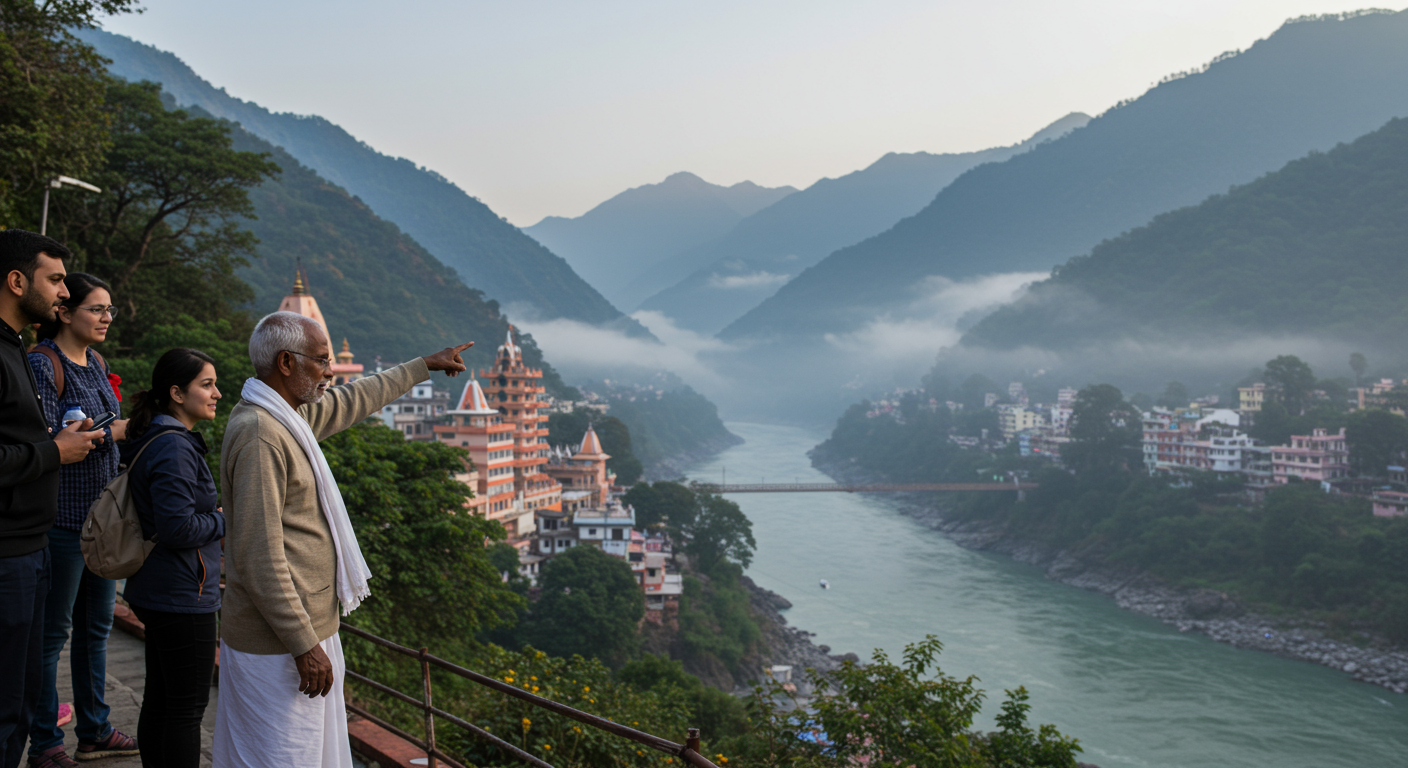
Imagine the cool, crisp air carrying the scent of incense, the gentle murmur of the Ganges River, and the distant chime of temple bells as dawn breaks over the Himalayan foothills. This is the magic that awaits you in the spiritual heart of India. Many travellers arrive seeking enlightenment or adventure, but few truly understand that the secret to an unforgettable journey lies in discovering the best time to visit Rishikesh. It’s not merely about avoiding rain or heat; it’s about aligning your visit with the experiences you crave most.
From the exhilarating rush of white-water rafting to the tranquil solitude of a yoga retreat, this sacred town offers a kaleidoscope of activities. But each experience shines brightest in its own season. My goal here is to cut through the generic advice and provide you with a practical, insider’s guide. We’ll explore the unique character of each period, helping you answer crucial questions: When should you chase rapids? When is the air clearest for mountain views? And when can you find peace amidst fewer crowds?
This comprehensive guide will equip you with the knowledge to choose your ideal travel window, ensuring your trip perfectly matches your expectations. Let’s dive into the rhythms of this vibrant destination and pinpoint the moments when it truly comes alive for *you*.
Understanding the Seasons: What to Expect in Each Period
The climate here profoundly influences the types of activities and the overall atmosphere you’ll encounter. Knowing the nuances of each season is crucial for planning your perfect escape. From the vibrant energy of peak season to the contemplative quiet of the monsoon, every period offers a distinct charm, making it essential to understand what each brings to the table.
You might also be interested in: Read more about: Ultimate Guide to Sustainable Tourism Pr…
Spring & Early Summer (March to June): Adventure and Warmth
As winter’s chill recedes, the region awakens to a season of warmth and adventure. March to May is often considered a fantastic period for those seeking an active holiday. The weather is generally pleasant, with daytime temperatures ranging from 20°C to 35°
Planning Your Visit to Rishikesh
Rishikesh rewards travellers who plan ahead. The best experiences — whether a dawn yoga session by the Ganges, white-water rafting on grade IV rapids, or an evening Ganga Aarti at Triveni Ghat — often require booking a day or two in advance during peak season (October–November and March–May). Arriving with a flexible itinerary and an open mind is the best way to make the most of what Rishikesh offers.
Safety Standards and What to Expect
Reputable adventure operators in Rishikesh follow safety protocols modelled on international standards from Australia and New Zealand. Before any activity, verify that your operator holds current certifications, uses regularly inspected equipment, and provides a mandatory pre-activity safety briefing. Do not skip the briefing — it exists to keep you safe, not to delay your fun.
Booking adventure activities in Rishikesh at least 2–3 days in advance is strongly recommended during weekends and public holidays, when slots for bungee jumping, paragliding, and rafting fill up quickly.
Whether you are travelling solo, as a couple, or with a group, Rishikesh offers activity formats for every type of traveller. Combo packages that bundle multiple activities are a cost-effective way to maximise your experience in a single day.
You might also be interested in: Read more about: BUCKETLISTT: Secure Your Thrilling Bunge…
Adventure activities in Rishikesh are generally available year-round, with the peak seasons running September to November and March to May. Monsoon months (July–August) restrict water-based activities but do not halt all operations.
Rishikesh has a well-developed adventure tourism infrastructure with certified operators, trained guides, and safety equipment maintained to international standards — making it one of India’s safest adventure destinations.
Rishikesh’s position at the foothills of the Garhwal Himalayas gives it consistent river flow, reliable thermals for paragliding, and dramatic canyon geography for bungee jumping — all within a 20-kilometre radius of the city centre.
You might also be interested in: Explore Rishikesh Adventures on Bucketlistt
Essential Rishikesh Travel Checklist
- Book activity slots 2–3 days in advance during peak season (Oct–Nov and Mar–May)
- Wear athletic, quick-dry clothing and closed-toe shoes for all outdoor activities
- Carry a government-issued photo ID — required at most activity centres
- Disclose any medical conditions before signing the activity consent form
- Confirm whether video coverage is included or costs extra before booking
- Respect Rishikesh’s spiritual atmosphere — alcohol is prohibited within the city limits
- Carry cash (INR) for small vendors, auto-rickshaws, and local eateries
Rishikesh’s Himalayan foothills setting creates ideal conditions for adventure sports, with consistent river flow for rafting and stable thermals for paragliding available through most of the year.
Getting to Rishikesh is straightforward: the nearest airport is Jolly Grant (Dehradun), approximately 35 km away, and Haridwar railway station (25 km) connects to all major Indian cities via frequent services.
Rishikesh is one of those rare destinations that genuinely delivers on its reputation — whether you come for the adrenaline, the spirituality, or simply to sit by the Ganga and think. This guide covered best best time to visit rishikesh in rishikesh, best time to visit rishikesh, best time to visit rishikesh in rishikesh, giving you the practical knowledge to plan a memorable visit. If you want a curated list of verified operators and activity packages, you can browse options on Bucketlistt.
Frequently Asked Questions
What is the best time to visit Rishikesh for adventure activities?
The best time to visit Rishikesh for adventure sports is October to November and February to May. The weather is clear, the Ganges water level is ideal for rafting, and most outdoor operators are fully active. Avoid the July–September monsoon season when heavy rainfall suspends many river and outdoor activities.
How much does a typical adventure activity cost in Rishikesh?
Costs vary by activity. River rafting typically ranges from INR 600–1,500 depending on the stretch (9 km, 16 km, or 36 km). Bungee jumping from 83 m costs around INR 3,500–4,500. Paragliding tandem flights range from INR 2,500–4,000. Camping packages with meals usually start at INR 1,500–2,500 per person per night. Always confirm what is included before booking.
What are the must-visit places in Rishikesh besides adventure sports?
Beyond the adventure scene, Rishikesh has a rich cultural and spiritual side worth exploring. Triveni Ghat hosts a mesmerising Ganga Aarti ceremony every evening at sunset — free to attend and deeply moving. Laxman Jhula and Ram Jhula suspension bridges are iconic landmarks. The Beatles Ashram (Maharishi Mahesh Yogi’s old meditation campus) is a fascinating abandoned site now open to visitors. Nearby Neelkanth Mahadev Temple is a popular pilgrimage site about 32 km away.
Do I need prior experience for white-water rafting in Rishikesh?
No prior experience is required for most Rishikesh rafting stretches. The 9 km Brahmpuri to Rishikesh route is ideal for beginners with grade I–II rapids. The 16 km Marine Drive to Rishikesh route is suitable for first-timers who want a bit more excitement (grade III rapids). The 36 km Shivpuri stretch is recommended for those comfortable in water and seeking grade III–IV rapids.
How do I get from Rishikesh to the bungee jump or rafting starting point?
Most adventure activity start points are 15–30 km from Rishikesh town. Auto-rickshaws and shared taxis are available from Laxman Jhula and Ram Jhula areas. Many operators offer free or low-cost pickup from a central meeting point in Rishikesh — confirm this when booking. The drive through the Himalayan foothills is itself a scenic experience worth savouring.
Are there age or weight restrictions for activities in Rishikesh?
Yes — most operators have safety-based restrictions. Bungee jumping typically requires participants to be 12+ years old, weigh between 40–110 kg, and have no history of heart conditions or back problems. Rafting generally accepts ages 14+ on the standard routes. Paragliding requires a weight limit of around 100–110 kg maximum. Always check the specific operator’s requirements when booking.