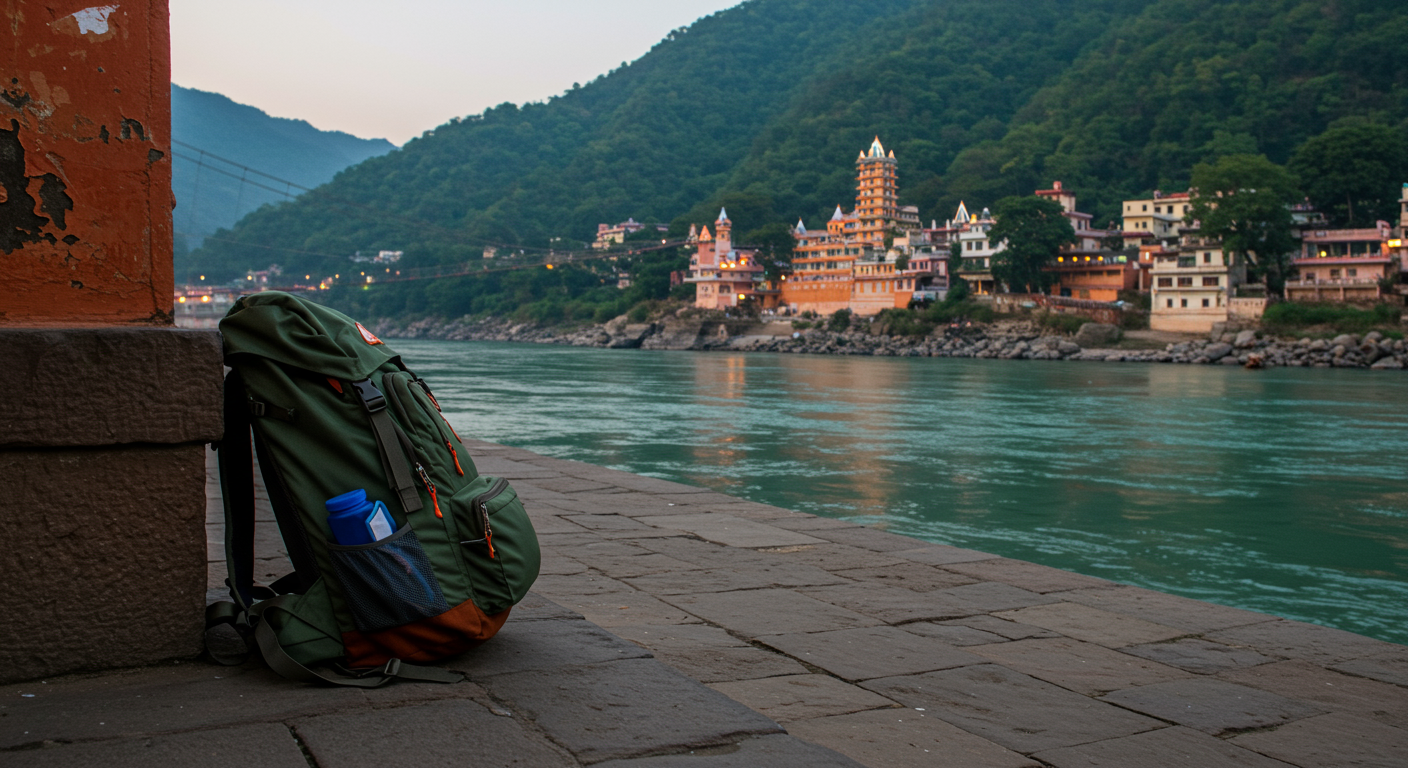
The sound of the Ganges changes after dark in Rishikesh, transforming from a bustling daytime symphony of temple bells and rafting shouts to a serene, almost mystical hum. Most travellers don’t realise that Rishikesh has two completely different personalities: the spiritual heartland and the adventure capital. My goal in this comprehensive guide is to provide you with practical rishikesh travel tips & planning that go beyond the usual tourist brochures. We’ll dive deep into what makes this city so unique, how to navigate its vibrant streets, and ensure your trip is both enriching and hassle-free. This article will answer your burning questions about getting there, what to do, what to avoid, and how to make the most of your time in this incredible destination.
Understanding Rishikesh: A Fusion of Spirituality and Adventure
Often called the “Yoga Capital of the World,” Rishikesh is much more than just a spiritual retreat. Nestled in the foothills of the Himalayas, it’s where the mighty Ganges River descends from the mountains, offering a unique blend of divine tranquility and thrilling adventure. For anyone considering a visit, comprehensive rishikesh travel tips & planning in rishikesh are essential to truly appreciate its dual nature. Whether you seek inner peace through yoga and meditation or an adrenaline rush from white-water rafting, Rishikesh delivers an experience unlike any other. It’s a place where ancient traditions coexist with modern-day thrills, making it a truly captivating destination for diverse travellers.
What to Expect: Spiritual Vibes and Adrenaline Spills
Expect a vibrant sensory experience. Mornings often begin with the melodic chants from ashrams and the crisp mountain air. By midday, the riverbanks buzz with activity – yoga classes, Ayurvedic massage centres, and bustling markets. As evening approaches, the Ganga Aarti ceremony at Parmarth Niketan becomes the focal point, a mesmerizing ritual of light and devotion that draws crowds daily. Beyond the spiritual, the Ganges itself is a playground for adventure enthusiasts. You can expect to see groups preparing for rafting excursions, trekking groups heading into the nearby hills, and even bungee jumping operators catering to thrill-seekers. It’s a town that truly never sleeps, offering something for every soul.
The town is largely vegetarian and alcohol-free, reflecting its spiritual ethos. This creates a peaceful atmosphere, conducive to introspection and wellness. Don’t be surprised to find cafes offering organic food and detox juices alongside traditional Indian thalis. The blend of international and local cuisine is a delight. Walking across Rishikesh, you’ll encounter sadhus, pilgrims, and backpackers, all sharing the same sacred space. This diverse tapestry of people adds to the city’s unique charm.
Who Is It Best For: From Solo Seekers to Family Adventurers
Rishikesh caters to an incredibly broad audience. It’s ideal for solo travellers seeking spiritual enlightenment, yoga practitioners looking to deepen their practice, and meditators desiring a serene environment. The numerous ashrams, like Parmarth Niketan, offer courses and retreats for all levels. For adventure enthusiasts, it’s a paradise for white-water rafting, trekking, bungee jumping, and even cliff jumping. Families will find plenty to enjoy, from gentle riverside walks and exploring the iconic Laxman Jhula and Ram Jhula bridges to participating in the evening Aarti. Even those simply looking to relax by the river and soak in the unique atmosphere will find Rishikesh incredibly rewarding. This makes it a truly versatile destination for anyone looking for meaningful travel.
You might also be interested in: Read more about: Enhance Team Dynamics: Unforgettable Gro…
Expert Insight: A common misconception is that Rishikesh is solely for spiritual seekers. In reality, the adventure sports scene here is incredibly robust, offering some of the best rafting experiences in India. Don’t miss the chance to explore both facets of this dynamic town!
How To Do It: Practical Steps for Your Rishikesh Journey
Planning a trip to Rishikesh requires careful consideration to ensure a smooth and enjoyable experience. From transportation to accommodation and daily activities, a well-thought-out itinerary is crucial. These rishikesh travel tips & planning in rishikesh will guide you through the essential preparations, helping you budget effectively and stay safe during your visit. Given that 2026 is just around the corner, many services are increasingly digital, so booking ahead is often wise, especially during peak seasons.
Getting There and Around: Seamless Travel Strategies
Rishikesh is well-connected. The nearest airport is Jolly Grant Airport (DED) in Dehradun, approximately 35 km away. From there, you can easily hire a pre-paid taxi (around INR 1000-1500 in 2026) or take a shared auto-rickshaw to Rishikesh. For train travel, Rishikesh has its own railway station, though direct trains are limited. Haridwar, a major railway junction, is only about 25 km away and offers better connectivity from most Indian cities. Buses are also a popular and economical option, with frequent services from Delhi and other major northern Indian cities. Once you arrive, getting around Rishikesh is primarily done on foot, by auto-rickshaw, or by shared taxis. The two main areas, Lakshman Jhula and Ram Jhula, are connected by pedestrian bridges, making walking a pleasant way to explore. Scooters can also be rented for daily excursions, typically costing INR 300-500 per day.
- By Air: Fly to Jolly Grant Airport (DED), then taxi or auto.
- By Train: Reach Haridwar (HRD) or Rishikesh (RKSH), then local transport.
- By Bus: Direct buses from major cities, often overnight from Delhi.
- Local Transport: Walk, auto-rickshaws (negotiate fares), or rent a scooter.
What to Pack and When to Go: Essential Preparations
When planning your visit, consider the time of year. The best time to visit Rishikesh is from September to November and from February to May. During these months, the weather is pleasant, ideal for both spiritual activities and adventure sports. Summers (June-August) can be hot and humid, while monsoons (July-September) bring heavy rains, making river activities risky and some treks challenging. Winters (December-January) are chilly, especially in the evenings, requiring warm clothing. For packing, light cotton clothing is suitable for warmer months, while layers are essential for cooler periods. Always carry comfortable walking shoes, a reusable water bottle, sunscreen, insect repellent, and basic first-aid. If participating in yoga, bring appropriate attire. For rafting, quick-drying clothes and waterproof bags are a must. Many shops offer high-quality gear for rent or purchase, but it’s often better to come prepared.
You might also be interested in: Read more about: Unforgettable Family Adventures in Rishi…
For adventure activities, ensure you book with top-rated in Rishikesh operators who prioritize safety and have certified guides. Ask about their safety records and equipment maintenance. The peace of mind is worth the slightly higher cost.
Insider Tips & Best Practices for a Memorable Rishikesh Experience
To truly immerse yourself in the spirit of Rishikesh, it’s vital to go beyond the surface. These insider best rishikesh travel tips & planning in rishikesh will help you unlock authentic experiences and navigate the local culture with respect and understanding. From seeking out hidden gems to understanding local customs, these pointers are designed to elevate your journey from a simple trip to a profound adventure.
Discovering Rishikesh’s Underrated Gems and Local Secrets
While Laxman Jhula and Ram Jhula are iconic, don’t miss the chance to explore Rishikesh’s lesser-known treasures. A personal favorite is Vashishta Gufa (Cave), a serene meditation cave a short drive upstream from the main town. It offers profound tranquility and a chance to sit in the same space where ancient sages meditated. Another hidden gem is Rishikund, a sacred ancient pond near Raghunath Temple, known for its warm water and the reflection of the Shani temple. It’s a quiet, spiritual spot often overlooked by mainstream tourists. For a genuine local experience, try to attend a smaller, less publicized Aarti ceremony at one of the riverside ghats away from Parmarth Niketan; the intimacy is truly special. Engaging with local shopkeepers and café owners can also lead to surprising recommendations for authentic eateries or scenic viewpoints.
When it comes to adventure, while rafting is popular, consider a guided hike to a nearby waterfall, such as Neer Garh Waterfall. These treks offer stunning views and a refreshing escape into nature, often with fewer crowds. Seek out experts in Rishikesh for guided treks, as they can lead you to the most beautiful and safest routes. Always remember to respect local customs and dress modestly, especially when visiting temples or ashrams.
You might also be interested in: Explore Rishikesh Adventures on Bucketlistt
Maximizing Your Visit: Timing, Budget, and Cultural Etiquette
To make the most of your trip, timing is everything. For spiritual activities, early mornings offer the most profound peace. For adventure sports, aim for mid-morning to early afternoon when the sun is out and the river conditions are typically stable. Avoid the midday heat for strenuous activities. Budget-wise, Rishikesh can be very affordable. A decent meal at a local eatery can cost as little as INR 150-300, while ashram accommodation can range from free (with voluntary work) to INR 500-1500 per night. Yoga classes vary, but expect to pay INR 300-500 for a drop-in session. Rafting packages typically start from INR 800-1500, depending on the stretch and season. Always negotiate auto-rickshaw fares beforehand. Culturally, always remove your shoes before entering temples or ashrams. Greet locals with “Namaste” and avoid public displays of affection. Photography is generally allowed, but always ask permission before taking pictures of people, especially sadhus.
Remember that the Ganges is considered sacred. While enjoying the river, be mindful of its sanctity and avoid littering or using harsh soaps. Supporting local artisans by purchasing handicrafts is also a wonderful way to contribute to the community and take home a meaningful souvenir. Look for items that represent the best quality in Rishikesh, such as handmade spiritual beads or local art.
Rishikesh is one of those rare destinations that genuinely delivers on its reputation — whether you come for the adrenaline, the spirituality, or simply to sit by the Ganga and think. This guide covered best rishikesh travel tips & planning in rishikesh, rishikesh travel tips & planning, rishikesh travel tips & planning in rishikesh, giving you the practical knowledge to plan a memorable visit. If you want a curated list of verified operators and activity packages, you can browse options on Bucketlistt.
Frequently Asked Questions about Rishikesh Travel
Is Rishikesh safe for solo female travellers?
Yes, Rishikesh is generally considered safe for solo female travellers. However, like any destination, it’s wise to exercise caution, especially after dark. Stick to well-lit areas and inform your accommodation about your whereabouts. Following general travel safety tips will help ensure a pleasant experience.
What is the ideal duration for a Rishikesh trip?
For a balanced experience combining spirituality, adventure, and relaxation, a 4 to 5-day trip is ideal. This allows enough time to explore the main attractions, participate in activities, and soak in the atmosphere without feeling rushed. You can extend it if you plan to undertake a longer yoga or meditation retreat.
Can I drink alcohol in Rishikesh?
No, Rishikesh is a holy city and is officially a vegetarian and alcohol-free zone. You won’t find any shops selling alcohol within the city limits. This policy contributes to the serene and spiritual environment of the town, aligning with its status as a pilgrimage site.
What are the must-try local foods in Rishikesh?
You must try the local Garhwali cuisine, including dishes like “Kafuli” and “Chainsoo.” Also, sample the delicious street food, especially the “Aloo Tikki” and “Pani Puri.” Many cafes offer healthy, organic, and vegan options, often with stunning river views. Don’t forget to try a fresh fruit lassi or juice.
Are there ATMs available in Rishikesh?
Yes, there are several ATMs available in the main areas of Rishikesh, including near Laxman Jhula, Ram Jhula, and the market areas. It’s always a good idea to carry some cash for smaller purchases and local transport, as not all vendors accept digital payments. However, major banks have ATM facilities.
What is the average cost for white-water rafting?
The cost for white-water rafting in Rishikesh typically ranges from INR 800 to INR 1500 per person, depending on the length of the stretch (e.g., 16 km or 26 km) and the operator. This usually includes equipment, a guide, and transportation to the starting point. Always book with a reputable and certified agency.
Do I need to book yoga classes or retreats in advance?
For popular yoga classes, especially during peak season, it’s advisable to book in advance, particularly for specific teachers or ashrams like Parmarth Niketan. For longer retreats, booking several months ahead is often necessary due to limited spots. Drop-in classes are usually available but can fill up quickly.
Is it necessary to learn Hindi to communicate in Rishikesh?
While Hindi is the local language, English is widely understood by people in the tourism sector, including hotel staff, guides, and shopkeepers. Learning a few basic Hindi phrases like “Namaste” (hello) or “Dhanyawad” (thank you) will be appreciated by locals and can enhance your experience. Communication should not be a major barrier for English speakers.