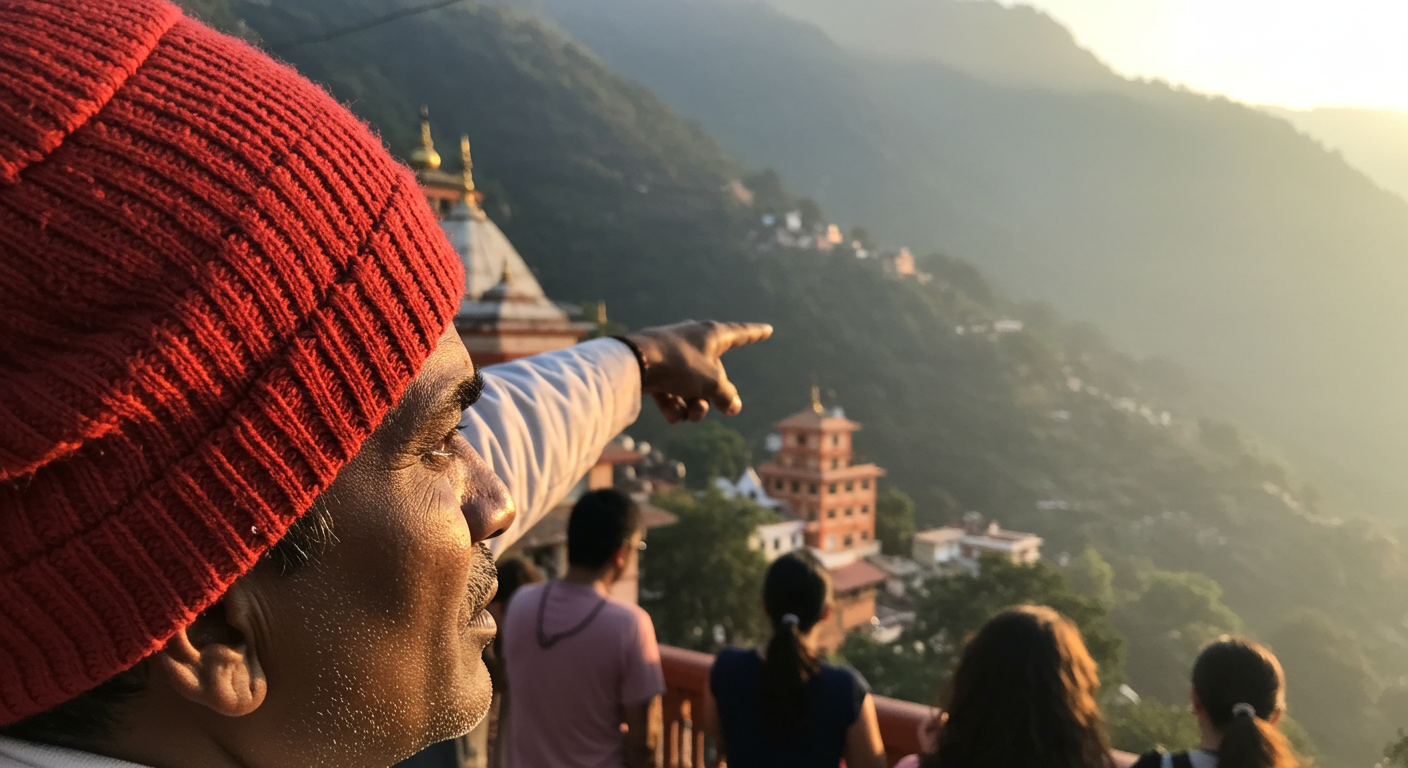
The morning mist still clings to the emerald hills, carrying the faint scent of incense and the distant chime of temple bells. Below, the Ganga flows, a vibrant ribbon of life through the valley. This isn’t just any destination; this is Rishikesh, the “Yoga Capital of the World,” a place where spirituality meets adrenaline, and ancient traditions blend with modern adventure. But to truly experience its magic, you need to know the best time to visit Rishikesh. Trust me, the difference between a good trip and an unforgettable one often comes down to timing.
As someone who has navigated the sacred ghats and thrilling rapids countless times, I’ve learned that Rishikesh reveals different facets of its personality throughout the year. Are you seeking profound spiritual solace or heart-pounding white-water rafting? Perhaps a blend of both? This comprehensive guide will equip you with all the practical knowledge you need to plan your ideal journey, answering questions about weather, activities, costs, and even those little insider tips only locals and seasoned travelers know. From deciphering seasonal nuances to uncovering hidden gems, you’ll discover how to make the most of your adventure in this enchanting Himalayan foothills town.
Decoding Rishikesh’s Seasons: Finding the Best Time to Visit Rishikesh
Understanding the seasonal rhythms of Rishikesh is paramount to crafting your perfect itinerary. Each period offers a distinct atmosphere and range of activities. The question of the best time to visit Rishikesh isn’t a simple one; it truly depends on what you’re hoping to experience. Whether you’re a yoga enthusiast, an adventure seeker, or a spiritual pilgrim, Rishikesh has a season tailor-made for you.
The Allure of Each Season: What to Expect
Rishikesh experiences three primary seasons: winter, summer, and monsoon, each bringing its own unique charm and challenges. The winter months, from October to March, are widely considered the prime window for most travelers. The weather is crisp and pleasant, with daytime temperatures ranging from 8°C to 25°C. This period is ideal for sightseeing, trekking, and attending outdoor yoga sessions without the oppressive heat. The air is clear, offering breathtaking views of the surrounding mountains, especially from vantage points like the Neelkanth Mahadev Temple, situated at 1330m height with panoramic valley views.
Conversely, the summer season, from April to June, sees temperatures soaring, often exceeding 35°C, sometimes even touching 40°C. While less comfortable for extensive outdoor activities, this is paradoxically the best time for white-water rafting. The melting snows from the Himalayas swell the Ganga, creating exhilarating rapids. If your primary goal is adventure sports, then summer might be the best time to visit Rishikesh in Rishikesh for you, provided you’re prepared for the heat. Early mornings and evenings offer some respite for spiritual pursuits.
The monsoon season, from July to September, transforms Rishikesh into a lush, verdant paradise. The landscape comes alive with vibrant greens, and the sound of rainfall adds a meditative quality to the air. However, heavy rains can lead to slippery trails, increased river currents (making rafting unsafe), and occasional road blockages. While adventure activities are largely suspended, this can be a profoundly spiritual time for quiet introspection and Ayurvedic treatments. The Patna Waterfall, a secluded gem reached through a dense forest trek, is particularly stunning during this period, gushing with renewed vigor. For those seeking absolute tranquility and an escape from the crowds, the monsoon offers a unique, albeit challenging, perspective of Rishikesh.
Tailoring Your Trip: Who Each Season Suits
Choosing the absolute best time to visit Rishikesh in Rishikesh hinges on your priorities. For those prioritizing spiritual retreats, yoga, and meditation, the mild and clear winter months (October to March) are unbeatable. The comfortable weather allows for extended outdoor sessions and long walks along the ghats, such as the sacred Triveni Ghat, famous for its evening Ganga Aarti. This period also sees numerous yoga festivals and spiritual gatherings, drawing seekers from across the globe. You’ll find the most comprehensive range of spiritual services in Rishikesh during these months.
You might also be interested in: Read more about: Discover India’s Top Trek & Temple Tours…
If adventure sports are your main draw, particularly white-water rafting and bungee jumping, then the summer (April to June) is your window. While hot, the river conditions are optimal for thrilling water activities. Shivpuri, located 19km from town, is the adventure hub and truly comes alive in these months. However, be prepared for larger crowds and higher prices for accommodation and activities. For trekking and waterfall visits, early winter (October-November) and early summer (March-April) are ideal, offering pleasant weather before the heat or monsoon rains set in. The Garud Chatti Waterfall, a hidden gem near the Neelkanth temple road, is perfect for a refreshing dip during these shoulder seasons.
Finally, for the traveler seeking solitude, lush landscapes, and deep introspection, the monsoon (July to September) can be surprisingly rewarding. While limiting active adventures, it offers a unique opportunity to experience Rishikesh’s serene, mystical side. The fewer tourists mean a more intimate experience with the local culture and nature. Just remember to pack rain gear and be flexible with your plans due to potential weather-related disruptions. The very best best time to visit Rishikesh in Rishikesh for a balanced experience, combining pleasant weather with a good range of activities, is undoubtedly the shoulder seasons of October-November and February-March.
Planning Your Perfect Getaway: Practical Steps for Every Season in Rishikesh
Once you’ve identified the optimal season for your Rishikesh adventure, meticulous planning becomes your next step. A well-prepared traveler enjoys a smoother, more enriching experience. This section outlines the practicalities, from packing essentials to managing costs, ensuring your focus remains on the spiritual and adventurous journey ahead.
Essential Preparations: What to Pack and Book
Your packing list will vary significantly depending on the season you choose for your visit. For the winter months (October-March), layered clothing is key. Think warm sweaters, light jackets, scarves, and comfortable walking shoes. Evenings can be quite chilly, so a heavy jacket or shawl is advisable. If you plan on attending early morning yoga or meditation sessions, thermal wear will be your best friend. Sunscreen, a hat, and sunglasses are also important year-round, as the Himalayan sun can be strong.
During the summer (April-June), light, breathable cotton clothing is a must. Loose-fitting trousers, t-shirts, and sandals are ideal. Remember to pack swimwear if you plan on rafting or swimming in the Ganga. Hydration is critical, so a reusable water bottle is essential. For the monsoon season (July-September), waterproof jackets, quick-drying clothes, and sturdy, water-resistant footwear are indispensable. An umbrella or raincoat will prove invaluable. Regardless of the season, a basic first-aid kit, insect repellent, and any personal medications should always be in your bag.
Booking accommodation and activities well in advance, especially during the peak winter season, is highly recommended. Many top-rated in Rishikesh yoga schools and retreat centers fill up months ahead. Expect to pay anywhere from 800 INR for a basic guesthouse to 5000+ INR for a comfortable hotel room per night. Adventure activities like rafting typically cost between 600-1500 INR per person, depending on the stretch. For reliable booking, consider reputable local operators or online platforms. We always advise checking reviews and confirming details directly with providers to ensure the best quality in Rishikesh.
Navigating Rishikesh: Travel, Costs, and Safety
Reaching Rishikesh is relatively straightforward. The nearest airport is Jolly Grant Airport (DED) in Dehradun, about 35 km away. From there, taxis are readily available, costing approximately 800-1200 INR. Rishikesh also has its own railway station, though many prefer to arrive at Haridwar Junction, which is a major railhead and well-connected to most Indian cities, followed by a short 45-minute taxi or auto-rickshaw ride (around 400-600 INR). Buses are another economical option, with frequent services from Delhi and other major cities.
You might also be interested in: Read more about: Finding Your Perfect Retreat: The Best H…
Once in Rishikesh, local transportation primarily consists of auto-rickshaws, shared jeeps, and walking. Distances between popular spots like Laxman Jhula, Ram Jhula, and Triveni Ghat are often walkable, offering a chance to soak in the atmosphere. Always agree on the fare before starting your journey with auto-rickshaws. A short ride usually costs 50-150 INR. Food costs are quite reasonable; a decent meal at a local eatery can be as low as 150-300 INR, while more upscale cafes might charge 500-800 INR per person.
Expert Tip: While Rishikesh is generally a safe destination, especially for solo female travelers, it’s always wise to exercise caution. Avoid walking alone in dimly lit areas after dark, keep your valuables secure, and be mindful of your surroundings. Respect local customs and dress modestly, particularly when visiting temples or spiritual centers. The Ganges can have strong currents; only swim in designated, safe areas and ideally under supervision.
Staying hydrated is crucial, especially during summer. Drink bottled water or carry a water purifier. Be wary of street food if you have a sensitive stomach, although many local stalls offer delicious and hygienic options. Engaging with local experts in Rishikesh can provide valuable insights and ensure a safe, authentic experience.
Beyond the Obvious: Insider Tips for an Unforgettable Experience in Rishikesh
While guidebooks cover the main attractions, truly experiencing Rishikesh means delving a little deeper. My travels have taught me that the most memorable moments often come from stepping off the well-trodden path and embracing the local rhythm. These insider tips will help you discover the nuanced layers of this spiritual town, regardless of when you decide is the best time to visit Rishikesh.
Unearthing Hidden Gems and Local Secrets
Most tourists flock to Laxman Jhula and Ram Jhula, but there’s more to Rishikesh than these iconic bridges. For a truly serene experience, seek out the quieter ghats upstream or downstream from the main activity. Early morning walks along the riverbanks, before the crowds descend, offer profound peace. If you’re staying for an extended period, consider visiting some of the less-frequented ashrams for a deeper dive into yoga and meditation, many of which offer genuine and immersive programs that are not widely advertised.
Don’t miss the opportunity to explore the natural beauty surrounding Rishikesh. While Shivpuri is famous for rafting, the areas around it offer fantastic short treks. The trail to the Patna Waterfall, for instance, is a delightful, moderate trek through dense forest, culminating in a beautiful, secluded cascade. Similarly, the Garud Chatti Waterfall, often overlooked, provides a refreshing escape and is easily accessible by a short hike from the main road near Neelkanth Temple. These natural wonders are particularly enchanting during the post-monsoon and winter months, when the foliage is vibrant and the air is cool.
You might also be interested in: Explore Rishikesh Adventures on Bucketlistt
For an authentic culinary experience, venture beyond the tourist-centric cafes. Explore the local eateries near Triveni Ghat for traditional Garhwali thalis or fresh, piping hot jalebis and samosas. These local joints often provide the best quality in Rishikesh for authentic flavors and a glimpse into daily life. Engage with the shopkeepers and sadhus; they often have incredible stories and insights to share, enriching your understanding of the spiritual essence of the place.
Maximizing Your Visit: Seasonal Nuances and Activities
To truly maximize your experience, align your activities with the seasonal characteristics. If you visit during the winter (October-March), plan your days around outdoor yoga, trekking, and exploring the numerous temples and ashrams. The clear skies make it the perfect time for panoramic views from elevated points. Consider a morning visit to Vashishta Guha for meditation, followed by a leisurely afternoon exploring the local markets. Evenings are ideal for the Ganga Aarti at Triveni Ghat, a mesmerizing spiritual ceremony. This is generally the best time to visit Rishikesh for a comprehensive experience.
If your trip falls in the summer (April-June), focus on water-based adventures in the cooler parts of the day. Rafting and kayaking are at their peak. Schedule your temple visits for early mornings or late evenings to avoid the midday heat. Many cafes along the river offer refreshing drinks and cool spots to relax during the hottest hours. For a unique experience, try a moonlit walk along the riverbanks when the temperatures are milder. The very best time to visit Rishikesh in Rishikesh for watersports is undeniably these hot months.
During the monsoon (July-September), embrace the tranquility. This is an excellent time for indoor yoga, meditation, and Ayurvedic treatments. The lush greenery makes photography particularly rewarding, and the sound of rain can be deeply calming. While rafting is closed, short, safe walks to nearby spots like the Garud Chatti Waterfall can still be managed. Be flexible with your plans, as weather can be unpredictable. Across Rishikesh, you’ll find a different kind of beauty during the rains, one that encourages introspection and connection with nature.
Remember that Rishikesh is a vegetarian and alcohol-free town, reflecting its spiritual significance. Respecting these local customs will enhance your experience and show appreciation for the local culture. The local community, including many of the experts in Rishikesh offering spiritual and adventure services, values this respect.
Essential Rishikesh Travel Checklist
- Book activity slots 2–3 days in advance during peak season (Oct–Nov and Mar–May)
- Wear athletic, quick-dry clothing and closed-toe shoes for all outdoor activities
- Carry a government-issued photo ID — required at most activity centres
- Disclose any medical conditions before signing the activity consent form
- Confirm whether video coverage is included or costs extra before booking
- Respect Rishikesh’s spiritual atmosphere — alcohol is prohibited within the city limits
- Carry cash (INR) for small vendors, auto-rickshaws, and local eateries
Rishikesh is one of those rare destinations that genuinely delivers on its reputation — whether you come for the adrenaline, the spirituality, or simply to sit by the Ganga and think. This guide covered best best time to visit rishikesh in rishikesh, best time to visit rishikesh, best time to visit rishikesh in rishikesh, giving you the practical knowledge to plan a memorable visit. If you want a curated list of verified operators and activity packages, you can browse options on Bucketlistt.
Frequently Asked Questions about the Best Time to Visit Rishikesh
What months are considered the best time to visit Rishikesh for pleasant weather?
The months of October to March are widely regarded as the best time to visit Rishikesh for pleasant weather. Daytime temperatures are comfortable, ranging from 8°C to 25°C, making it ideal for outdoor activities, sightseeing, and spiritual retreats.
When is the best time for white-water rafting in Rishikesh?
For white-water rafting and other adventure sports, the summer months from April to June are the best time to visit Rishikesh. The melting Himalayan snow swells the Ganges, creating exhilarating rapids, despite the higher temperatures.
Is Rishikesh safe to visit during the monsoon season?
Rishikesh is generally safe during the monsoon (July to September), but heavy rains can lead to slippery conditions and occasional road closures. Adventure activities like rafting are usually suspended, but it’s a peaceful time for spiritual introspection and enjoying the lush, green landscape.
What should I pack if I’m visiting Rishikesh in winter?
If you’re visiting Rishikesh in winter (October-March), pack layered clothing including warm sweaters, light jackets, and thermal wear for chilly evenings and early mornings. Comfortable walking shoes, sunscreen, and a hat are also essential for daytime activities.
Are there any specific festivals or events that impact the best time to visit Rishikesh?
Yes, the International Yoga Festival in March and various spiritual gatherings during October to March can significantly impact your visit. These events draw large crowds, so booking well in advance is crucial if you plan to attend. The Ganga Aarti at Triveni Ghat happens nightly, regardless of season.
What are the typical costs for accommodation and activities in Rishikesh?
Accommodation can range from 800 INR for basic guesthouses to 5000+ INR for comfortable hotels per night. Rafting typically costs 600-1500 INR per person. Food is generally affordable, with meals ranging from 150-800 INR per person.
How can I reach Rishikesh and get around locally?
The nearest airport is Jolly Grant (Dehradun), 35 km away. Haridwar Junction is the closest major railway station. Local transport includes auto-rickshaws, shared jeeps, and walking. Always agree on fares beforehand with auto-rickshaws, which typically cost 50-150 INR for short distances.
What makes the shoulder seasons a good choice for visiting Rishikesh?
The shoulder seasons of October-November and February-March offer a balanced experience. You get pleasant weather, fewer crowds than peak winter, and a good range of activities, including both spiritual pursuits and the start or end of the adventure sports season. This makes them a strong contender for the best time to visit Rishikesh.