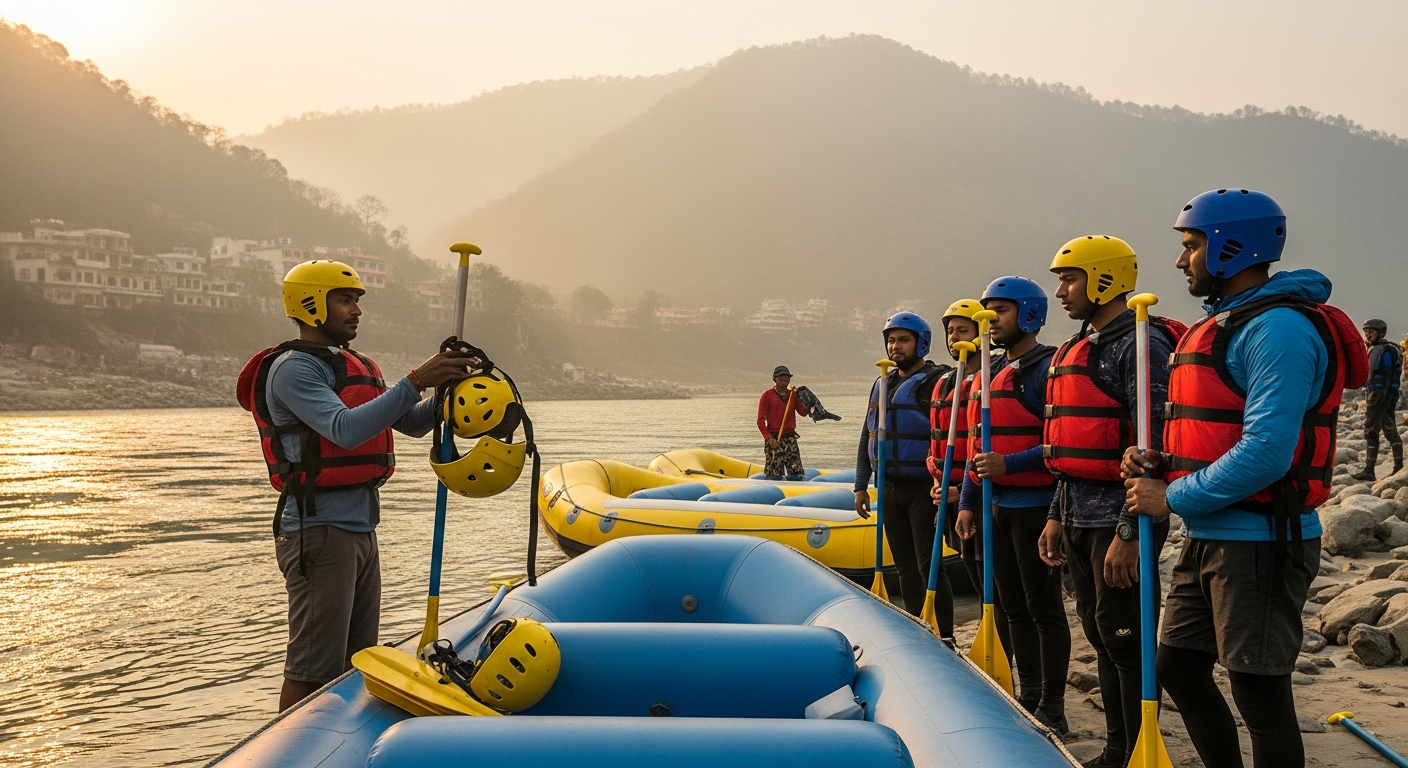
The first light of dawn over the Ganges in Rishikesh, coupled with the distant chime of temple bells, is an experience that resonates deep within. Most travelers don’t realize that Rishikesh has two completely different personalities: the serene yoga capital and the thrilling adventure hub. To truly embrace both, understanding rishikesh safety & travel advice is paramount. As an experienced traveler who has navigated its winding paths and strong currents, I’m here to share the practical knowledge you need. This comprehensive guide will equip you with the essential tips, from navigating local transport to finding serene escapes, ensuring your 2026 visit is not just memorable, but also incredibly smooth and secure. We’ll answer all your pressing questions, ensuring you’re well-prepared for the spiritual and adventurous heart of Uttarakhand.
Unveiling Rishikesh: More Than Just a Destination
Rishikesh, nestled in the foothills of the Himalayas, is globally renowned as the ‘Yoga Capital of the World’ and a gateway to the Char Dham pilgrimage. But it’s so much more. It’s a vibrant tapestry of spiritual seekers, adventure enthusiasts, and nature lovers, all drawn to the sacred Ganges River and the majestic mountains. Understanding the essence of Rishikesh is the first step towards a truly enriching journey. This section dives into what makes this city unique and why proper rishikesh safety & travel advice in rishikesh is indispensable for every visitor.
The Dual Charm: Spirituality Meets Adventure
Imagine starting your day with a peaceful yoga session overlooking the Ganges, followed by an afternoon of exhilarating white-water rafting. This is the everyday reality in Rishikesh. On one hand, you have the tranquil ashrams, ancient temples, and the mesmerizing Ganga Aarti ceremonies at Triveni Ghat, where devotion fills the air. On the other, Shivpuri, just a short drive away, beckons with its promise of adrenaline-pumping activities. Whether you’re seeking inner peace or an outdoor thrill, Rishikesh delivers. The contrast is part of its undeniable appeal, making it a destination that caters to diverse interests. Knowing how to safely transition between these experiences is key to maximizing your trip.
Why Planning for Safety and Comfort Matters
While Rishikesh is generally welcoming, being unprepared can detract from your experience. From navigating crowded markets to ensuring your accommodation meets your standards, a little foresight goes a long way. Understanding local customs, dressing appropriately, and being aware of common scams are all part of good travel practice. This guide provides the best rishikesh safety & travel advice in rishikesh, helping you avoid pitfalls and focus on the magic of the place. For instance, knowing the best time to visit the Beatles Ashram (Chaurasi Kutia) can save you from scorching heat and ensure a more contemplative experience amidst its iconic graffiti art. Similarly, for those venturing to the Neelkanth Mahadev Temple, situated at 1330m, preparedness for the winding roads and varying temperatures is crucial.
You might also be interested in: Read more about: Planning Your Perfect Trip: The Best …
Navigating Rishikesh: Practical Steps for a Seamless Journey
Now that you understand the allure, let’s get down to the practicalities. Planning your logistics effectively is crucial for a stress-free trip. This section offers a step-by-step guide on how to get to Rishikesh, what to pack, and how to move around once you’re there, always keeping rishikesh safety & travel advice at the forefront.
Getting There and Around: Your Transport Blueprint
Rishikesh is well-connected, but choosing the right mode of transport can significantly impact your comfort and travel time. The nearest airport is Jolly Grant Airport (DED) in Dehradun, about 20 km away. From there, taxis are readily available, costing around INR 800-1200 depending on your negotiation skills and destination within Rishikesh. If you’re coming by train, Haridwar Junction (HW) is the closest major railhead, approximately 25 km away, with similar taxi fares. Buses are also a popular and economical option from major cities like Delhi and Haridwar. Once in Rishikesh, auto-rickshaws and shared tempos are common for shorter distances. For exploring areas like Shivpuri or further afield, hiring a private taxi or scooter is advisable. Always agree on the fare beforehand, especially with auto-rickshaws, to avoid surprises. Many rafting experts in Rishikesh offer pick-up services from central locations.
Essential Packing Checklist and Local Etiquette
What you pack can make or break your comfort. Given Rishikesh’s spiritual and adventurous nature, a mix of practical and respectful attire is essential. Here’s a quick checklist:
- Modest Clothing: Light, loose-fitting clothes that cover shoulders and knees are ideal for temples and ashrams.
- Comfortable Footwear: Sandals or slip-ons for easy removal at religious sites, and sturdy trekking shoes if you plan to hike to places like Patna Waterfall.
- Sun Protection: Sunscreen, hat, and sunglasses are vital, especially during summer (March-June).
- Basic First-Aid Kit: Include band-aids, antiseptic wipes, pain relievers, and any personal medications.
- Water Bottle: Stay hydrated and reduce plastic waste. Filtered water is widely available.
- Power Bank: For keeping your devices charged, especially if you’re out exploring all day.
Regarding local etiquette, always remove your shoes before entering temples or ashrams. Bargaining is common in local markets, but do so respectfully. A simple “Namaste” goes a long way. Photography is generally allowed, but always ask for permission before taking pictures of individuals, especially sadhus or people during religious ceremonies.
You might also be interested in: Read more about: Your Ultimate Rishikesh Adventure Sports…
Insider Tips and Best Practices for an Authentic Experience
Beyond the basics, knowing the little secrets can transform your trip from good to extraordinary. These insider tips, gleaned from years of travel and local interactions, provide the best rishikesh safety & travel advice in rishikesh, ensuring you experience the true essence of this holy city. From the ideal times to visit to discovering hidden gems, prepare to explore Rishikesh like a local.
Timing Your Visit: Seasons and Serenity
The best time to visit Rishikesh is from September to November and from February to May. During these months, the weather is pleasant, making it ideal for both spiritual activities and adventure sports. The monsoon season (July-August) brings lush greenery but also heavy rains, which can disrupt travel plans and make river activities unsafe. Summers (March-June) can be quite hot, with temperatures soaring, though early mornings and evenings remain pleasant. If you’re planning for rafting, late September to mid-November and early March to early May are usually the peak seasons for optimal river conditions.
“For a truly serene experience, aim to witness the Ganga Aarti at Triveni Ghat around dusk. Arrive at least 30-45 minutes early to secure a good spot. The spectacle of hundreds of lamps floating on the river is truly unforgettable.”
Beyond the Beaten Path: Underrated Gems and Local Nuances
While icons like Lakshman Jhula and Ram Jhula are must-sees, Rishikesh holds many lesser-known treasures. One such gem is Patna Waterfall. Reaching it involves a short, scenic trek through dense forest, offering a refreshing escape from the crowds and a chance to connect with untouched nature. Another peaceful spot is Rishikund, a sacred ancient pond near Raghunath Temple, famous for its clear waters and the reflection of the Shani temple. It offers a moment of quiet contemplation away from the bustling ghats.
You might also be interested in: Explore Rishikesh Adventures on Bucketlistt
When it comes to dining, explore the local cafes and eateries beyond the main tourist strips. You’ll find authentic Garhwali cuisine and delicious vegetarian fare at more reasonable prices. A typical thali (meal) might cost around INR 150-300 in a local restaurant, while a cup of chai could be as low as INR 10. Always carry small denominations of Indian Rupees (INR), as many smaller shops and vendors prefer cash. Be mindful of monkeys, especially around the bridges; avoid carrying food openly. It’s also wise to keep your valuables secure, even in seemingly safe areas across Rishikesh.
Finally, consider taking a short course in yoga or meditation. Many ashrams offer introductory programs that can deepen your understanding of Rishikesh’s spiritual heritage. You’ll find many top-rated in Rishikesh offering such courses. This proactive approach to your visit, armed with comprehensive rishikesh safety & travel advice in rishikesh, will ensure you leave with cherished memories and a profound sense of peace.
Rishikesh is one of those rare destinations that genuinely delivers on its reputation — whether you come for the adrenaline, the spirituality, or simply to sit by the Ganga and think. This guide covered best rishikesh safety & travel advice in rishikesh, rishikesh safety & travel advice, rishikesh safety & travel advice in rishikesh, giving you the practical knowledge to plan a memorable visit. If you want a curated list of verified operators and activity packages, you can browse options on Bucketlistt.
Frequently Asked Questions about Rishikesh Safety & Travel Advice
Is Rishikesh safe for solo female travelers in 2026?
Yes, Rishikesh is generally considered safe for solo female travelers, especially in popular tourist areas. However, it’s always advisable to exercise caution, avoid walking alone in secluded areas after dark, and trust your instincts. Following general rishikesh safety & travel advice is crucial.
What is the best time of year to visit Rishikesh for both adventure and spirituality?
The ideal times are from September to November and from February to May. During these periods, the weather is pleasant for both river rafting and exploring ashrams or temples, offering the best rishikesh safety & travel advice in rishikesh regarding climate.
Are there any specific health precautions I should take before traveling to Rishikesh?
It’s recommended to consult your doctor about routine vaccinations. Carry a basic first-aid kit, stay hydrated, and only drink bottled or filtered water. Be mindful of street food hygiene to ensure good rishikesh safety & travel advice for your health.
What are the typical costs for white-water rafting in Shivpuri?
As of 2026, a standard 16 km rafting trip from Shivpuri typically costs between INR 800-1500 per person, depending on the operator and season. Always choose a reputable company that prioritizes safety equipment and certified guides, which is key rishikesh safety & travel advice.
How can I respectfully interact with local sadhus and spiritual leaders?
Approach with respect and a polite “Namaste.” If you wish to take a photo, always ask for permission first. Avoid interrupting their meditation or rituals, and understand that some may expect a small donation if you engage in conversation or photography.
What are the transportation options from Jolly Grant Airport to Rishikesh city center?
From Jolly Grant Airport (DED), you can hire a pre-paid taxi, which is the most convenient option, costing approximately INR 800-1200. Shared taxis or auto-rickshaws are also available but might require a short walk outside the airport premises. This is crucial rishikesh safety & travel advice in rishikesh for arrivals.
Are there any specific dress codes to be aware of when visiting temples or ashrams?
Yes, modesty is key. Both men and women should wear clothing that covers their shoulders and knees. It’s also customary to remove your shoes before entering any religious premises. Dressing respectfully is part of good rishikesh safety & travel advice for cultural immersion.
What are some popular local dishes or vegetarian foods to try in Rishikesh?
Rishikesh is a vegetarian and alcohol-free zone. You must try local Garhwali thali, aloo puri, chole bhature, and various fresh fruit juices. Don’t miss out on the delicious chai and different types of momos available in local eateries.