Embrace the Spirit of Rishikesh: When to Experience Its Magic
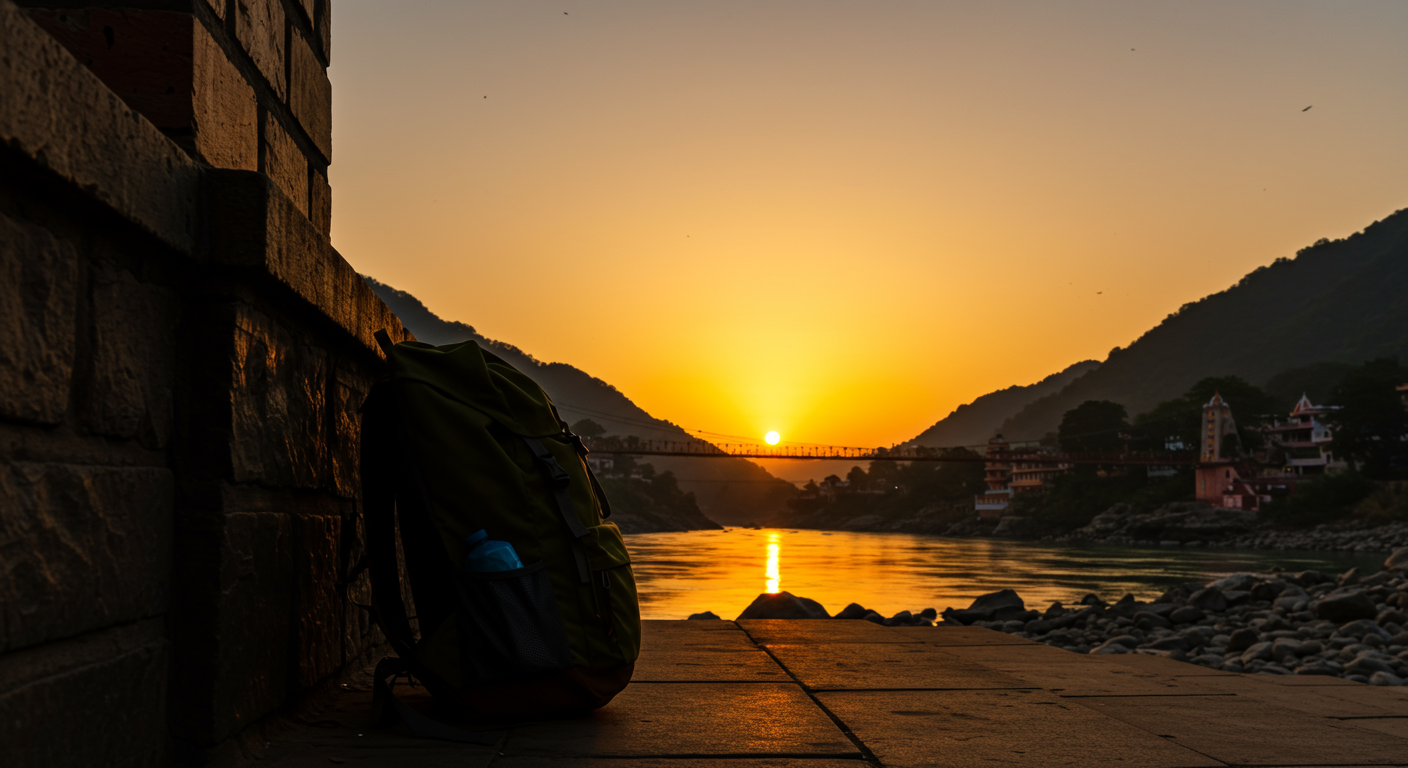
The sound of the Ganges changes after dark, a timeless rhythm that beckons travelers from across the globe. Most visitors don’t realize that Rishikesh, the ‘Yoga Capital of the World,’ has completely different personalities depending on the season. Choosing the best time to visit Rishikesh isn’t just about avoiding rain; it’s about aligning your journey with the specific experiences you seek. Whether you dream of exhilarating white-water rafting, serene yoga retreats, or vibrant spiritual festivals, the timing of your visit is paramount. This comprehensive guide will help you determine the best time to visit Rishikesh in Rishikesh, ensuring your trip to this spiritual heart of India is nothing short of magical. I’ll walk you through the nuances of each season, equip you with practical advice, and share insider tips to make your adventure truly unforgettable.
Decoding Rishikesh’s Seasons: What Each Period Offers
Understanding the seasonal shifts in Rishikesh is key to planning your ideal getaway. Each period brings its own charm and challenges, influencing everything from activity availability to crowd levels. From the balmy days perfect for adventure to the crisp, clear mornings ideal for introspection, Rishikesh offers a diverse palette of experiences throughout the year.
Spring & Early Summer (March to June): Adventure and Warmth
For those craving adventure and pleasant warmth, the months of March, April, May, and early June represent an ideal best time to visit Rishikesh. The weather is generally sunny and warm, with temperatures ranging from 20°C to 38°C. This period is particularly popular among thrill-seekers. The Ganges flows strongly but is safe for white-water rafting, making it the peak season for this exhilarating activity. Treks to nearby waterfalls like Neer Garh Waterfall are also incredibly rewarding, offering refreshing dips after a scenic hike. You’ll find a lively atmosphere with plenty of fellow travelers, especially around the iconic Laxman Jhula and Ram Jhula bridges. If you’re planning a trip focused on outdoor activities, this is arguably the ideal best time to visit Rishikesh in Rishikesh for those who thrive on excitement.
Insider Tip: Book your rafting slots and accommodations well in advance if traveling during April or May, as these are peak months for adventure tourism in Rishikesh.
Monsoon (July to September): The Verdant & Spiritual Retreat
The monsoon season, from July to September, transforms Rishikesh into a lush, emerald paradise. While many shy away from the rains, this period offers a unique, tranquil experience for those seeking spiritual solace and a break from the crowds. Temperatures are moderate, typically between 25°C and 30°C, and the air is fresh and clean. The Ganges swells, becoming a powerful, awe-inspiring force, though rafting activities are generally suspended for safety reasons. This is a profound time for meditation, yoga, and inner reflection, with ashrams like Parmarth Niketan offering intense spiritual programs. The surrounding hills come alive with vibrant greenery, and the sound of raindrops creates a soothing backdrop for introspection. You might even discover hidden gems like the Garud Chatti Waterfall, which truly comes alive with the monsoon rains, offering a secluded and serene escape. Navigating across Rishikesh during this time might involve occasional road closures due to heavy rainfall, but the unique beauty and calm are unparalleled.
You might also be interested in: Read more about: Experience Extreme Bungee Thrills: BUCKE…
Autumn & Winter (October to February): Ideal for Serenity & Yoga
Many consider the period from October to February to be the absolute best time to visit Rishikesh for a balanced experience of spirituality, mild adventure, and pleasant weather. The monsoon rains have receded, leaving behind crisp, clear skies and comfortable temperatures ranging from 8°C to 28°C. October and November are particularly delightful, offering a perfect blend of warmth and coolness, making them ideal for both outdoor activities and spiritual pursuits. This is the prime season for yoga and meditation, with numerous yoga schools and centers, many of them top-rated in Rishikesh, offering courses and retreats. The evening Ganga Aarti at Triveni Ghat is a breathtaking spectacle, made even more enjoyable by the comfortable weather. Winter months (December to February) can be quite chilly, especially in the mornings and evenings, but the days are often sunny and perfect for exploring. This period is excellent for trekking, exploring temples, and enjoying the peaceful vibe that permeates the town. If you want to experience the full spectrum of what the city offers, consider the best time to visit Rishikesh in Rishikesh for spiritual pursuits and gentle exploration.
Planning Your Perfect Trip: A Practical How-To Guide
Once you’ve decided on the ideal season, the next step is to iron out the practicalities. A well-planned trip ensures you can fully immerse yourself in the Rishikesh experience without unnecessary stress. From transportation to daily essentials, being prepared makes all the difference.
Getting There & Getting Around
Reaching Rishikesh is relatively straightforward. The nearest airport is Jolly Grant Airport (DED) in Dehradun, about 35 kilometers away. From there, you can hire a taxi or take a pre-booked shuttle directly to your accommodation. The journey typically takes about 45 minutes to an hour and costs approximately INR 800-1200. For train travelers, Haridwar Junction (HW) is the closest major railway station, around 25 kilometers from Rishikesh. Regular buses and shared auto-rickshaws connect Haridwar to Rishikesh. Delhi is well-connected to Rishikesh by overnight buses, which are a popular and economical option, taking about 6-7 hours. Once you are in Rishikesh, getting around the main areas like Laxman Jhula, Ram Jhula, and the market is best done on foot, as many streets are pedestrian-friendly. For longer distances, shared auto-rickshaws are readily available and quite affordable, with fares typically ranging from INR 20-50 for short rides and INR 50-100 between the main bridges. Taxis can also be hired for longer excursions or for comfort, though they will be pricier. Navigating the narrow lanes and bustling bazaars is part of the charm of getting around Rishikesh.
- By Air: Fly to Jolly Grant Airport (DED), Dehradun.
- By Train: Nearest station is Haridwar Junction (HW).
- By Bus: Direct buses from major cities like Delhi.
- Local Travel: Walking, shared auto-rickshaws, and taxis.
Essential Packing & Safety Tips
Packing smart is crucial for a comfortable trip to Rishikesh. Regardless of the season, modest clothing is advisable, especially when visiting temples or ashrams. Lightweight, breathable fabrics are best for warmer months, while layers are essential for autumn and winter evenings. Always pack comfortable walking shoes, as you’ll be doing a lot of exploring on foot. Other essentials include: a reusable water bottle, sunscreen, insect repellent, a basic first-aid kit, and a power bank. For safety, always drink bottled or filtered water to avoid stomach issues. Be mindful of street food hygiene, though many local eateries offer delicious and safe options. When swimming in the Ganges, exercise extreme caution, especially during monsoon when currents are strong; it’s best to stick to designated bathing ghats or supervised areas. Keep your valuables secure and be aware of your surroundings, particularly in crowded areas or after dark. These simple precautions will ensure your safety in Rishikesh and allow you to focus on enjoying your journey.
You might also be interested in: Read more about: Your Ultimate Guide to Rishikesh Safety …
Remember: Always respect local customs and dress codes, especially when visiting sacred sites. This fosters a positive cultural exchange.
Insider Secrets: Maximizing Your Rishikesh Experience
Beyond the well-trodden paths, Rishikesh holds numerous hidden treasures and subtle rhythms that only experienced travelers or locals truly appreciate. To truly unlock the magic of this town, a few insider tips can elevate your visit from good to exceptional.
Beyond the Mainstream: Underrated Gems & Local Delights
While Triveni Ghat, Parmarth Niketan, and the Jhulas are must-sees, don’t miss out on Rishikesh’s lesser-known wonders. For a tranquil escape, head to Goa Beach, a quiet white-sand stretch along the Ganges near Laxman Jhula, popular among backpackers seeking solitude. Another hidden gem is the Garud Chatti Waterfall, less frequented than Neer Garh, offering a more serene and pristine natural experience, especially beautiful during or just after the monsoon. For those seeking spiritual guidance or specific practices, consulting local experts in Rishikesh can lead you to authentic yoga gurus or Ayurvedic practitioners who might not be widely advertised. The best best time to visit Rishikesh in Rishikesh for experiencing these serene spots is often early morning or late afternoon, when the light is soft and the crowds are minimal. Don’t shy away from trying local delicacies like Aloo Puri or traditional sweets from small, unassuming shops. These local experiences often provide the most memorable moments.
When planning your itinerary, consider these delightful additions:
You might also be interested in: Explore Rishikesh Adventures on Bucketlistt
- Goa Beach: A peaceful riverside spot for relaxation and quiet contemplation.
- Garud Chatti Waterfall: A secluded cascade, perfect for nature lovers and photographers.
- Local Eateries: Explore beyond tourist traps for authentic Garhwali cuisine.
- Morning Aarti: While evening Aarti is famous, a dawn Aarti offers a uniquely serene experience.
Budgeting & Accommodation Insights
Rishikesh caters to a wide range of budgets, from luxury resorts to budget-friendly ashrams and guesthouses. Accommodation costs can vary significantly based on the season. Peak seasons (October-November and March-May) will see higher prices and require advance booking. During the monsoon, you might find significant discounts. Ashrams typically offer basic, clean accommodation, often including meals, for a very reasonable price (e.g., INR 300-1000 per night), though they might have strict rules and schedules. Guesthouses and hotels offer more amenities, with prices ranging from INR 1000-5000+ depending on comfort and location. Many places offer the best quality in Rishikesh for their price point if you do a little research. A typical daily budget for a comfortable stay, including food and activities, could range from INR 1500-3000 per person. Always check reviews and consider booking directly with the establishment for potentially better rates. Remember that some ashrams require a minimum stay, especially during peak yoga season. Planning your accommodation well in advance, especially if you’re visiting during what you consider the best time to visit Rishikesh, can save you both money and hassle.
Your Rishikesh Journey Awaits
Choosing the best time to visit Rishikesh is the first step towards crafting an unforgettable journey to this spiritual haven. Whether you’re drawn by the thrill of adventure in spring, the serene introspection of monsoon, or the spiritual vibrancy of autumn and winter, Rishikesh offers a unique experience tailored to every season. Remember to pack wisely, stay safe, and embrace the local culture. By following these practical tips and exploring both its famous landmarks and hidden gems, you’re set to have a truly enriching experience. So, take a deep breath, plan your adventure, and prepare for Rishikesh to captivate your soul.
Rishikesh is one of those rare destinations that genuinely delivers on its reputation — whether you come for the adrenaline, the spirituality, or simply to sit by the Ganga and think. This guide covered best best time to visit rishikesh in rishikesh, best time to visit rishikesh, best time to visit rishikesh in rishikesh, giving you the practical knowledge to plan a memorable visit. If you want a curated list of verified operators and activity packages, you can browse options on Bucketlistt.
Frequently Asked Questions about the Best Time to Visit Rishikesh
What is the absolute best time to visit Rishikesh for white-water rafting?
The absolute best time to visit Rishikesh for white-water rafting is typically from March to May and then again from late September to November. During these periods, the water levels are ideal, and the weather is pleasant for outdoor activities.
Is Rishikesh safe to visit during the monsoon season?
Yes, Rishikesh is generally safe during the monsoon season (July to September), but caution is advised. While the landscape is beautiful, heavy rains can occasionally cause landslides or disrupt travel, and river activities like rafting are suspended.
What is the best best time to visit Rishikesh in Rishikesh for yoga and meditation retreats?
For yoga and meditation retreats, the period from October to February is widely considered the best time to visit Rishikesh. The weather is cool and conducive to indoor and outdoor practice, with many ashrams offering specialized courses during these months.
How many days are enough to experience Rishikesh properly?
To experience Rishikesh properly, a minimum of 3 to 5 days is recommended. This allows enough time to explore the main attractions, participate in activities, attend Ganga Aarti, and soak in the spiritual atmosphere without rushing.
What should I pack if I’m visiting Rishikesh in winter?
If visiting Rishikesh in winter (December to February), pack warm layers, including sweaters, jackets, and thermal wear, especially for mornings and evenings. Comfortable walking shoes and a scarf are also essential for enjoying the crisp weather.
Are there any festivals or special events that influence the best time to visit Rishikesh?
Yes, several festivals can influence the best time to visit Rishikesh. The International Yoga Festival in March, Diwali (October/November), and Shivaratri (February/March) draw large crowds and offer unique cultural experiences, though accommodations book up quickly.
Is it expensive to visit Rishikesh? What are typical costs?
Rishikesh can be quite affordable, especially if you opt for ashram stays and local eateries. A comfortable daily budget, including accommodation, food, and basic activities, can range from INR 1500 to INR 3000 per person, excluding major adventure sports or luxury stays.
Can I swim in the Ganges River in Rishikesh?
Yes, you can swim in designated areas of the Ganges River in Rishikesh, particularly at ghats like Triveni Ghat. However, always exercise caution, especially during strong currents or monsoon season. It’s advisable to swim only where locals do and avoid deep, unsupervised areas.