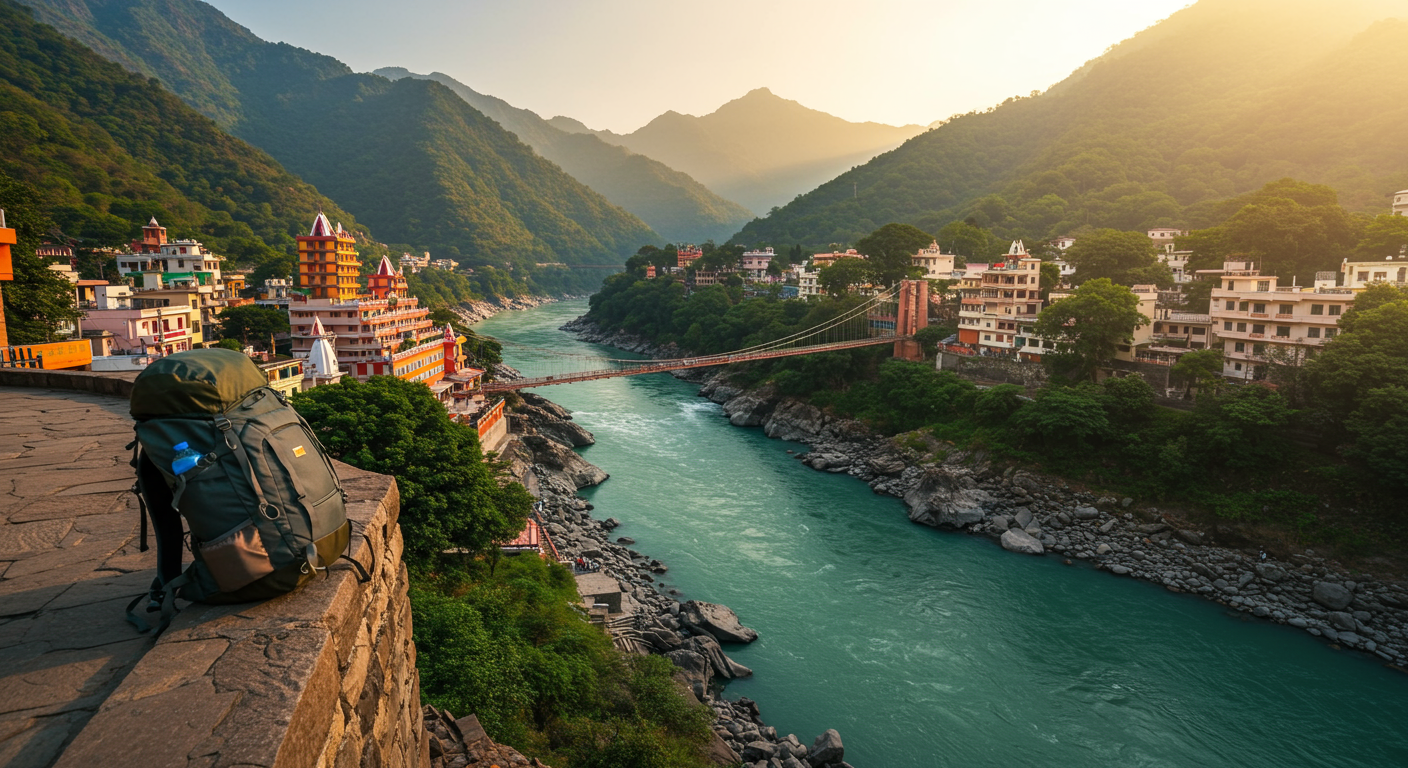
The sound of the Ganges changes after dark in Rishikesh, transforming from a gentle murmur to a more profound, almost spiritual hum. Most travellers don’t realise that this holy town has two completely different personalities depending on the season. As an experienced traveller who has explored the spiritual heartlands and adventurous riverbanks of Uttarakhand, I’ve seen Rishikesh in all its guises. Knowing the best time to visit Rishikesh is not just about avoiding bad weather; it’s about aligning your trip with the very essence of what you seek from this incredible destination.
This comprehensive guide will cut through the generic advice and provide you with practical, insider knowledge. We’ll delve into the nuances of each season, helping you decide on the best time to visit Rishikesh for yoga, rafting, trekking, or simply soaking in the spiritual vibes. You’ll learn what to expect, how to prepare, and even discover some hidden gems that many tourists miss. By the end, you’ll be equipped to plan an unforgettable journey, making the most of your time in this sacred land.
Choosing Your Season: When Rishikesh Truly Shines for You
Deciding on the perfect moment to experience Rishikesh can significantly shape your entire trip. This isn’t just about weather; it’s about what activities are available, the crowd levels, and the overall atmosphere. Whether you dream of white-water rafting down the Ganges, finding inner peace during a yoga retreat, or simply enjoying the serene beauty of the Himalayas, understanding the seasonal shifts is key to identifying the best time to visit Rishikesh for your personal goals.
Each season presents a unique version of Rishikesh, from the bustling energy of peak tourist times to the tranquil solitude of the off-season. My aim here is to provide you with the specifics, helping you match your travel desires with the town’s seasonal offerings. This way, you won’t just visit; you’ll truly experience Rishikesh in its most suitable form.
What to Expect in Each Season
Rishikesh experiences three distinct seasons: winter, summer, and monsoon, each offering a different flavour of the town. For many, the winter months, from October to March, represent the absolute best time to visit Rishikesh. During this period, the weather is pleasantly cool and dry, with daytime temperatures averaging between 15°C and 25°C. This makes it ideal for outdoor activities like trekking, sightseeing, and attending evening Ganga Aarti ceremonies at Triveni Ghat without the discomfort of heat or rain.
Summer, from April to June, brings intense heat, with temperatures often soaring above 35°C. While less crowded, it’s generally not considered the best time to visit Rishikesh for extensive outdoor exploration. However, it can be suitable for those focusing purely on indoor yoga and meditation, seeking a more introspective retreat. Monsoon season, from July to September, transforms the landscape into a lush green paradise, but heavy rains can disrupt travel plans and river activities like rafting are typically closed due to high water levels and safety concerns. Despite this, the monsoon offers a unique, mystical charm for those who appreciate nature’s raw beauty and are prepared for potential delays.
You might also be interested in: Read more about: Your Ultimate Guide to Rishikesh Safety …
Who Is Each Season Best For?
Understanding your priorities is crucial when pinpointing the best time to visit Rishikesh. If adventure sports are your main draw, then the post-monsoon period from September to November and the pre-summer months of March and early April are your prime windows. This is when river rafting is in full swing at Shivpuri, and trekking conditions are optimal. The water levels are exciting, and the surrounding greenery is vibrant. For spiritual seekers and yoga enthusiasts, the mild and clear weather of October to March is unparalleled. Parmarth Niketan, one of the largest ashrams in Rishikesh, thrives with activity, and outdoor yoga sessions are a delight.
Families often find the late winter and early spring months most comfortable, allowing for pleasant walks along the Ganges and easy access to attractions without extreme temperatures. Budget travellers might consider the summer, as accommodation prices tend to drop, though they must contend with the heat. Ultimately, the best time to visit Rishikesh is subjective, aligning with your personal preferences for weather, crowd levels, and desired activities. Consider what you truly want from your trip before making your final decision.
Planning Your Journey: Practical Steps for a Smooth Rishikesh Trip
Once you’ve identified your ideal season, the next step is to nail down the practicalities. A well-planned trip ensures that your focus remains on the spiritual and adventurous experiences Rishikesh offers, rather than logistical headaches. From booking your transport to packing the right gear, every detail contributes to a seamless and enjoyable journey. This section will guide you through the essential preparations, offering concrete advice on how to navigate Rishikesh with confidence.
Remember, while Rishikesh is a relatively easy destination to explore, a little foresight goes a long way. Knowing the typical costs, understanding local transport, and preparing for the climate will enhance your experience, regardless of when you decide is the best time to visit Rishikesh.
Getting There and Around
Rishikesh is well-connected, making it accessible from various parts of India. The nearest airport is Jolly Grant Airport (DED) in Dehradun, approximately 35 kilometres away. From there, you can easily hire a taxi, which typically costs around INR 1000-1500, or take a shared auto-rickshaw to reach Rishikesh. For train travellers, Haridwar Junction (HW) is the closest major railway station, about 25 kilometres away. Regular trains connect Haridwar to major Indian cities. From Haridwar, taxis and local buses are readily available to Rishikesh, with taxi fares ranging from INR 700-1000.
You might also be interested in: Read more about: Discovering the Best Hostels in Rishikes…
Once you are in Rishikesh, getting around is quite straightforward. The main areas like Laxman Jhula, Ram Jhula, and Triveni Ghat are often best explored on foot, allowing you to soak in the atmosphere. Auto-rickshaws are plentiful for longer distances, and you can also rent scooters or bicycles for more independence. For reaching adventure hubs like Shivpuri, private taxis or shared jeeps are common. Many experts in Rishikesh recommend pre-booking taxis during peak season to avoid inflated prices.
“Always negotiate auto-rickshaw fares before starting your journey in Rishikesh. A short ride within town shouldn’t cost more than INR 50-150, depending on the distance and time of day. For longer distances, clarify the fare upfront to avoid surprises.”
What to Pack, Costs, and Safety Tips
Your packing list will largely depend on the best time to visit Rishikesh for your trip. For winter (October-March), pack layers: warm sweaters, jackets, scarves, and hats, especially for chilly evenings and early mornings. Summers (April-June) demand light, breathable cotton clothing, sunscreen, and a wide-brimmed hat. During monsoon (July-September), waterproof jackets, umbrellas, and sturdy, non-slip footwear are essential. Regardless of the season, always include comfortable walking shoes, basic first-aid supplies, and insect repellent. Remember to dress modestly, especially when visiting temples and ashrams, covering your shoulders and knees.
In terms of costs, Rishikesh can be quite budget-friendly. A decent guesthouse or hostel can cost anywhere from INR 500-1500 per night. Meals at local eateries range from INR 100-300 per person, while more upscale cafes might charge INR 400-800. River rafting expeditions typically cost INR 800-1500 per person, depending on the stretch. For safety, always be aware of your surroundings, especially after dark. Solo female travellers should exercise extra caution. Drink bottled water, avoid street food that looks unhygienic, and keep your valuables secure. It’s always wise to inform someone of your travel plans and carry a local SIM card for emergencies.
Insider Knowledge: Elevating Your Rishikesh Experience
Beyond the standard tourist information, there are nuances and local secrets that can truly transform your trip. Having spent considerable time understanding the rhythm of Rishikesh, I’ve gathered insights that go beyond what you’ll find in typical travel brochures. This section is dedicated to sharing those invaluable tips, ensuring you experience Rishikesh not just as a visitor, but as someone who understands its heart and soul. These are the details that separate a good trip from an unforgettable one, making sure you truly discover the best time to visit Rishikesh for specific, authentic experiences.
Local Gems and Underrated Experiences
While the iconic Laxman Jhula and Ram Jhula are must-sees, venturing slightly off the beaten path will reveal some truly magical spots. Instead of just the main ghats, seek out the serene Garud Chatti Waterfall, a hidden gem near the Neelkanth temple road. It’s perfect for those seeking solitude and a refreshing dip away from the crowds. Another secluded escape is Patna Waterfall, reachable via a dense forest trek. This offers peace and untouched nature, a stark contrast to the bustling town centre. These natural retreats are particularly enchanting during the post-monsoon period when the waterfalls are full and the surrounding greenery is at its peak, making it an excellent time to explore them in Rishikesh.
You might also be interested in: Explore Rishikesh Adventures on Bucketlistt
For a different spiritual experience, attend an early morning yoga session by the Ganges or participate in a cooking class focusing on traditional Garhwali cuisine. Many local families offer these experiences, providing an authentic cultural immersion. Exploring the narrow lanes of the old town reveals artisan shops and small temples, offering a glimpse into the daily life that thrives across Rishikesh. Don’t forget to sample local delicacies like Aloo Puri and freshly made lassi from street vendors, which are often the best quality in Rishikesh.
Seasonal Nuances and Avoiding Crowds
While October to March is widely considered the best time to visit Rishikesh for pleasant weather, it’s also peak tourist season. If you prefer fewer crowds and a more tranquil experience, consider visiting in early September, just as the monsoon recedes, or late March and early April, before the summer heat truly sets in. During these shoulder seasons, the weather is still agreeable, and major attractions are less packed. The Ganga Aarti at Triveni Ghat is spectacular any time of year, but during peak season, arriving an hour early is advisable to secure a good spot. For adventure activities, booking in advance is crucial during high season, as spots fill up quickly.
One local tip: if you’re seeking a profound spiritual experience, consider visiting during a major festival like Shivratri (February/March) or Diwali (October/November). While these periods bring larger crowds, the town’s festive energy is truly palpable, offering a unique cultural insight. However, if peace and quiet are paramount, avoid these festival dates. Understanding these seasonal and event-based variations ensures you choose the absolute best time to visit Rishikesh for your preferred ambiance.
Essential Rishikesh Travel Checklist
- Book activity slots 2–3 days in advance during peak season (Oct–Nov and Mar–May)
- Wear athletic, quick-dry clothing and closed-toe shoes for all outdoor activities
- Carry a government-issued photo ID — required at most activity centres
- Disclose any medical conditions before signing the activity consent form
- Confirm whether video coverage is included or costs extra before booking
- Respect Rishikesh’s spiritual atmosphere — alcohol is prohibited within the city limits
- Carry cash (INR) for small vendors, auto-rickshaws, and local eateries
Rishikesh is one of those rare destinations that genuinely delivers on its reputation — whether you come for the adrenaline, the spirituality, or simply to sit by the Ganga and think. This guide covered best best time to visit rishikesh in rishikesh, best time to visit rishikesh, best time to visit rishikesh in rishikesh, giving you the practical knowledge to plan a memorable visit. If you want a curated list of verified operators and activity packages, you can browse options on Bucketlistt.
Frequently Asked Questions about the Best Time to Visit Rishikesh
What is the absolute best time to visit Rishikesh for river rafting?
The absolute best time to visit Rishikesh for river rafting is from late September to mid-November and then again from early March to May. During these periods, the Ganges water levels are ideal, and the weather is pleasant for outdoor adventure activities.
When is the best time for a yoga and meditation retreat in Rishikesh?
For a yoga and meditation retreat, the best time to visit Rishikesh is during the winter months, from October to March. The cool, dry weather creates a serene and comfortable environment, perfect for introspection and outdoor practice.
Is it safe to visit Rishikesh during monsoon season?
Visiting Rishikesh during monsoon (July to September) can be safe, but requires caution. While the landscape is lush, heavy rainfall can cause landslides and river activities are often suspended. It’s generally not the best time to visit Rishikesh if you plan on rafting or extensive trekking.
What is the ideal duration for a trip to Rishikesh?
An ideal trip to Rishikesh typically spans 3 to 5 days. This allows enough time to experience key attractions, participate in activities like rafting or yoga, and explore both the spiritual and adventurous sides of the town. This duration helps you make the most of the best time to visit Rishikesh.
How much does a typical trip to Rishikesh cost?
A moderate 3-day trip to Rishikesh could cost between INR 5,000 to INR 15,000 per person, excluding travel to and from the city. This includes accommodation, food, local transport, and a couple of activities. Costs can vary significantly based on your accommodation choices and activities.
Are there any specific festivals that influence the best time to visit Rishikesh?
Yes, major festivals like International Yoga Festival (March) and Shivratri (February/March) attract large crowds. While vibrant, these times can be very busy. If you prefer a quieter trip, consider avoiding these periods, even if it’s generally a good time to visit Rishikesh for weather.
What are the top-rated in Rishikesh attractions that are open year-round?
Many spiritual attractions, including Parmarth Niketan, Triveni Ghat, and the iconic suspension bridges (Ram Jhula and Laxman Jhula), are open year-round. While river rafting has seasonal closures, yoga ashrams and temples operate continuously, ensuring you can always find spiritual solace in Rishikesh.
What should I wear when visiting temples and ashrams in Rishikesh?
When visiting temples and ashrams, it’s respectful to wear modest clothing that covers your shoulders and knees. Loose-fitting cotton clothes are ideal for comfort, especially if you visit during warmer periods or for yoga sessions. This applies regardless of the best time to visit Rishikesh.