Embrace the Spirit: An Introduction to Rishikesh’s Unique Identity
The scent of burning incense mingles with the aroma of freshly brewed chai and exotic spices as you wander through the narrow lanes of Rishikesh. Most travelers don’t realize that beyond its reputation as the Yoga Capital of the World, Rishikesh offers a profound journey into its distinctive rishikesh food & local culture. This isn’t just a place to practice asanas; it’s a vibrant tapestry woven with ancient traditions, spiritual practices, and a culinary landscape that nourishes both body and soul. If you’re planning a visit, understanding and immersing yourself in this local essence will transform your trip from a mere tourist stop into a truly unforgettable experience.
This guide will take you beyond the well-trodden paths, unveiling the secrets of the local cuisine, the rhythm of daily life, and the spiritual ceremonies that define this sacred town. We’ll answer your practical questions about what to eat, where to find authentic experiences, and how to respectfully engage with the rich cultural heritage that thrives here. Prepare to discover the true heart of Rishikesh, where every meal tells a story and every tradition connects you to something ancient and profound.
Unveiling Rishikesh Food & Local Culture: What to Savor
The culinary scene in Rishikesh is as unique as its spiritual ambiance. Predominantly vegetarian and often sattvic (pure, wholesome food that promotes clarity and peace), the rishikesh food & local culture in rishikesh reflects its status as a holy city. This means no meat, no eggs, and no alcohol are served within the municipal limits, ensuring a clean and uplifting dining experience. It’s a fantastic opportunity to explore plant-based dishes that are both flavorful and incredibly nourishing, often prepared with fresh, locally sourced ingredients from the surrounding Himalayan foothills.
Beyond the food, the local culture is deeply intertwined with the Ganges River. Life here revolves around the sacred river, with daily rituals, spiritual gatherings, and a sense of community that is palpable. Understanding these elements is key to appreciating the depth of Rishikesh’s character and the warmth of its people. It’s a place where ancient wisdom meets modern spirituality, creating an atmosphere unlike anywhere else.
The Heart of Rishikesh’s Culinary Identity
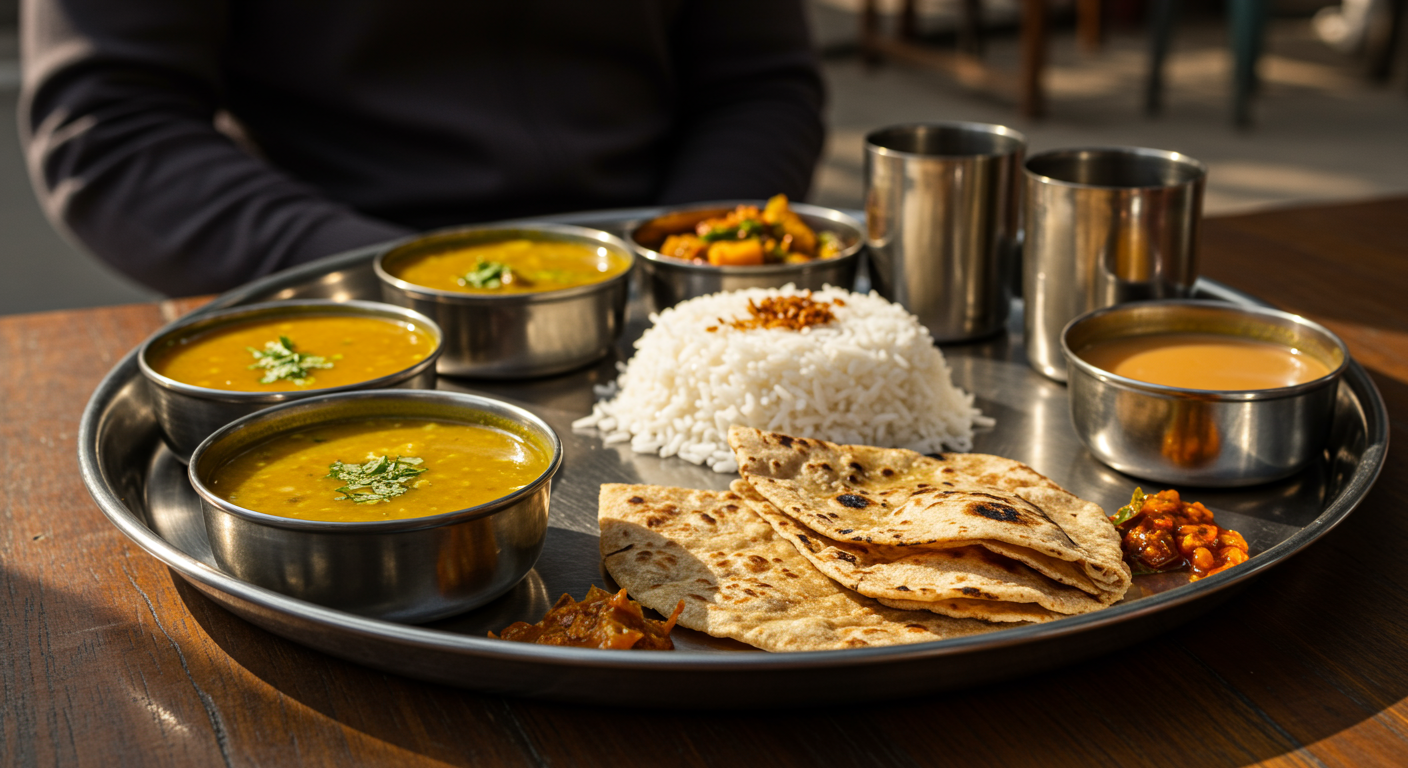
When it comes to food, Rishikesh offers a delightful array of choices, from traditional North Indian thalis to international fusion. However, to truly experience the local flavor, you must delve into the traditional offerings. Expect to find a variety of lentil soups (dal), fresh vegetable curries, flatbreads like roti and naan, and rice dishes. A standout local detail is the prevalence of simple, home-style eateries, known as “dhabas,” offering incredibly fresh and affordable meals. For example, a generous thali (a platter with various dishes) can cost as little as 150-250 INR at a good local spot. Don’t miss the opportunity to try Aloo Puri, a beloved breakfast staple, or the sweet and creamy Lassi, especially refreshing during warmer months.
“The true taste of Rishikesh isn’t found in a fancy restaurant, but in the small, unassuming eateries where generations of families have perfected their recipes, often using ingredients picked fresh from nearby farms. It’s an experience of simplicity and profound flavor.”
Many cafes also cater to the international crowd, offering vegan and organic options, but always seek out the local spots for an authentic taste. The emphasis is often on healthy, unprocessed ingredients, aligning perfectly with the city’s wellness ethos. You’ll find ginger-lemon-honey tea everywhere, a perfect antidote to the cooler mountain air.
You might also be interested in: Read more about: Crafting Authentic Global Experiences: A…
Cultural Tapestry: Beyond the Plate
The local culture of Rishikesh is vibrant and deeply spiritual. The most iconic cultural event is the evening Ganga Aarti, a mesmerizing fire ceremony held on the banks of the Ganges. Parmarth Niketan, one of the largest ashrams in Rishikesh, hosts a particularly grand and moving Aarti that draws hundreds of devotees and visitors daily. Participating in this ceremony, with its chanting, bells, and flickering lamps, is an immersive experience that connects you to the spiritual pulse of the city. It’s a moment of collective devotion that transcends language and background.
Beyond the Aarti, observe the daily life around the iconic Laxman Jhula and Ram Jhula bridges. Here, pilgrims, sadhus (holy men), and locals mingle with tourists. You’ll see people taking holy dips in the Ganges, performing small pujas (worship rituals), and simply enjoying the serene atmosphere. The marketplaces around these bridges are bustling hubs of activity, selling everything from religious artifacts and yoga attire to local handicrafts and spices. Engaging with the shopkeepers and artisans here offers a glimpse into the daily rhythm and traditional craftsmanship that are integral to the local culture.
Practical Immersion: Experiencing the Best Rishikesh Food & Local Culture
To truly experience the best rishikesh food & local culture in rishikesh, you need to engage actively rather than just observe. This means knowing where to go, what to look for, and how to approach these experiences with an open mind. Rishikesh is a place that rewards curiosity and respect for its traditions. From culinary workshops to spiritual ceremonies, there are myriad ways to dive deep into the local way of life. The key is to seek out authentic interactions and allow yourself to be guided by the local rhythm, rather than rushing through experiences.
Preparation is simple: bring comfortable walking shoes, an open heart, and a willingness to try new things. The local community is generally welcoming, and many experiences are accessible to everyone, regardless of their spiritual background or dietary preferences. Just be mindful of local customs and dress codes, especially when visiting temples or ashrams. This respect will open doors to more meaningful interactions and a deeper understanding of the local ethos.
Navigating the Local Markets and Eateries
For an authentic culinary adventure, start by exploring the local markets, particularly those near Ram Jhula. Here you’ll find vendors selling fresh produce, aromatic spices, and traditional snacks. Don’t hesitate to try street food, but choose vendors with high turnover and visible hygiene. Some must-try items include:
- Chaat: A savory snack with various ingredients like potatoes, chickpeas, and spices.
- Samosas: Crispy pastry filled with spiced potatoes, a perfect quick bite.
- Jalebi: A sweet, syrupy, deep-fried pretzel-like dessert, often eaten with rabri.
- Pani Puri: Small, hollow fried balls filled with spiced potatoes, chickpeas, and tamarind water.
When dining, look for small, family-run restaurants. Many of these offer the best quality in Rishikesh when it comes to authentic vegetarian Indian food. Ask locals for recommendations – they often know the hidden gems. Be prepared for food to be spiced, but you can always request a milder version. Water purification is essential; always drink bottled water or water from a reputable filter system. A typical meal at a local eatery will cost between 200-400 INR per person.
You might also be interested in: Read more about: Unlocking the Best Rishikesh Camping & S…
Engaging with Spiritual and Artistic Traditions
Beyond the food, immersing yourself in the spiritual and artistic traditions is crucial. Attending the Ganga Aarti at Triveni Ghat is a must-do. This is the most sacred bathing ghat in Rishikesh and offers a slightly different, more intimate Aarti experience compared to Parmarth Niketan. Arrive early to secure a good spot, ideally by 5:30 PM in winter or 6:30 PM in summer, as it gets crowded. You can also hire a local priest to perform a small personal puja by the river, which costs around 500-1000 INR, depending on the offerings. Many ashrams offer yoga and meditation classes for all levels, some even providing short-term residential programs. These are fantastic ways to connect with the spiritual heart of the city.
Consider visiting the numerous temples scattered throughout the town. Each has its own history and significance. For those interested in local arts and crafts, explore the small shops selling handmade jewelry, spiritual artifacts, and traditional clothing. Many of these items are crafted by local artisans, and purchasing them directly supports the community and its traditional skills. You might even find experts in Rishikesh who can teach you about traditional Indian instruments or devotional singing.
Insider’s Guide to Rishikesh’s Culinary and Cultural Heartbeat
Having explored Rishikesh multiple times, I’ve gathered some insider tips that can significantly enhance your experience of its food and culture. The timing of your visit, and even the time of day you explore certain areas, can completely change your perception. Avoiding peak season crowds and knowing where to find truly unique experiences will set your trip apart. Rishikesh is a place of subtle nuances, and a little foreknowledge goes a long way in appreciating its depth.
One common mistake is sticking only to the main tourist areas. While places like Laxman Jhula are iconic, the real charm often lies just a few streets away, in quieter corners where local life unfolds untouched by the tourist rush. Embrace the unexpected, strike up conversations with locals, and allow yourself to get lost in the labyrinthine alleys – that’s where the magic often happens.
Seasonal Delights and Cultural Calendar
The best time to experience rishikesh food & local culture is during the cooler, drier months from September to November and February to April. During these periods, the weather is pleasant, and many festivals take place. For instance, Diwali (October/November) and Maha Shivaratri (February/March) are celebrated with immense fervor, offering a spectacular display of local traditions, special festive foods, and community gatherings. The monsoon season (July-August) brings lush greenery but also heavy rains, which can disrupt travel and outdoor activities. Summers (May-June) are intensely hot, making daytime exploration challenging, though early mornings and evenings are still enjoyable. Visiting during a festival provides an unparalleled opportunity to witness the cultural vibrancy of the city.
You might also be interested in: Explore Rishikesh Adventures on Bucketlistt
Consider exploring the quieter side of Rishikesh by crossing the footbridges early in the morning, before the crowds descend. You’ll witness locals performing their morning rituals by the Ganga, and the markets will be just waking up, offering a serene glimpse into daily life. Many cafes and eateries also open early, serving fresh breakfast items before the midday rush.
Unearthing Rishikesh’s Hidden Cultural Gems
While the main ghats and ashrams are essential, Rishikesh also holds several underrated gems that offer a deeper cultural dive. One such place is Rishikund, a sacred ancient pond near the Raghunath Temple. It’s believed that the Goddess Ganga herself filled this pond with her waters. The pond is known for its serene reflection of the Shani temple, and it’s a peaceful spot often frequented by locals for quiet contemplation, away from the main tourist bustle. It provides a stark contrast to the lively ghats and offers a moment of genuine tranquility.
Another profound experience awaits at Vashishta Gufa (Cave), located about 25 km from Rishikesh on the banks of the Ganges. This ancient cave is where the revered sage Vashishta, one of the seven great sages of Hinduism, meditated for many years. The atmosphere inside the cave is incredibly peaceful and conducive to meditation. It’s a powerful place for introspection and connecting with the ancient spiritual energy of the Himalayas. Reaching it typically involves a scenic drive and a short walk, offering beautiful views of the river along the way. These less-visited spots offer a more intimate connection with the spiritual landscape across Rishikesh.
Rishikesh is one of those rare destinations that genuinely delivers on its reputation — whether you come for the adrenaline, the spirituality, or simply to sit by the Ganga and think. This guide covered best rishikesh food & local culture in rishikesh, rishikesh food & local culture, rishikesh food & local culture in rishikesh, giving you the practical knowledge to plan a memorable visit. If you want a curated list of verified operators and activity packages, you can browse options on Bucketlistt.
Frequently Asked Questions about Rishikesh Food & Local Culture
Is Rishikesh strictly vegetarian and alcohol-free?
Yes, Rishikesh is considered a holy city, and as such, it is strictly vegetarian and alcohol-free. You will not find any meat, eggs, or alcoholic beverages served within the municipal limits, ensuring a sattvic and pure environment for visitors.
What are the must-try local dishes in Rishikesh?
You absolutely must try a traditional North Indian Thali, Aloo Puri with sabzi, and various chaat items like Pani Puri and Samosas. Don’t forget to sample the refreshing Lassi and the popular ginger-lemon-honey tea, which are staples of Rishikesh food & local culture.
Where can I experience the Ganga Aarti in Rishikesh?
The two most popular places to experience the Ganga Aarti are Parmarth Niketan Ashram and Triveni Ghat. Both offer unique and moving experiences, with Parmarth Niketan being larger and Triveni Ghat offering a more traditional, intimate ceremony. Check timings locally as they change seasonally.
Are there cooking classes available to learn about Rishikesh food?
Yes, several guesthouses and small culinary schools in Rishikesh offer vegetarian cooking classes. These often focus on traditional Indian and sattvic cuisine, allowing you to learn about the ingredients and techniques behind authentic Rishikesh food & local culture.
What are some cultural etiquettes to observe in Rishikesh?
When visiting temples or ashrams, it’s customary to remove your shoes and dress modestly, covering shoulders and knees. Always use your right hand when offering or receiving items, and avoid public displays of affection. These simple gestures show respect for the local customs.
Is street food safe to eat in Rishikesh?
Street food can be safe and delicious if you choose wisely. Look for vendors with a high turnover of customers and visible hygiene practices. Stick to freshly cooked, hot items, and always ensure you are drinking bottled or purified water to avoid any stomach issues.
Are there any specific festivals that highlight Rishikesh’s culture?
Absolutely. Festivals like Diwali, Maha Shivaratri, and Holi are celebrated with great enthusiasm, showcasing the rich cultural traditions of Rishikesh. These events offer a unique opportunity to witness local customs, music, and special festive foods, providing a deep insight into the local culture.
How can I find authentic local experiences beyond the main tourist spots?
Venture beyond Laxman Jhula and Ram Jhula. Explore quieter neighborhoods, visit places like Rishikund, or take a trip to Vashishta Gufa. Engaging with locals, asking for recommendations, and exploring the smaller, less-advertised temples and ashrams will lead to more authentic encounters with Rishikesh food & local culture.