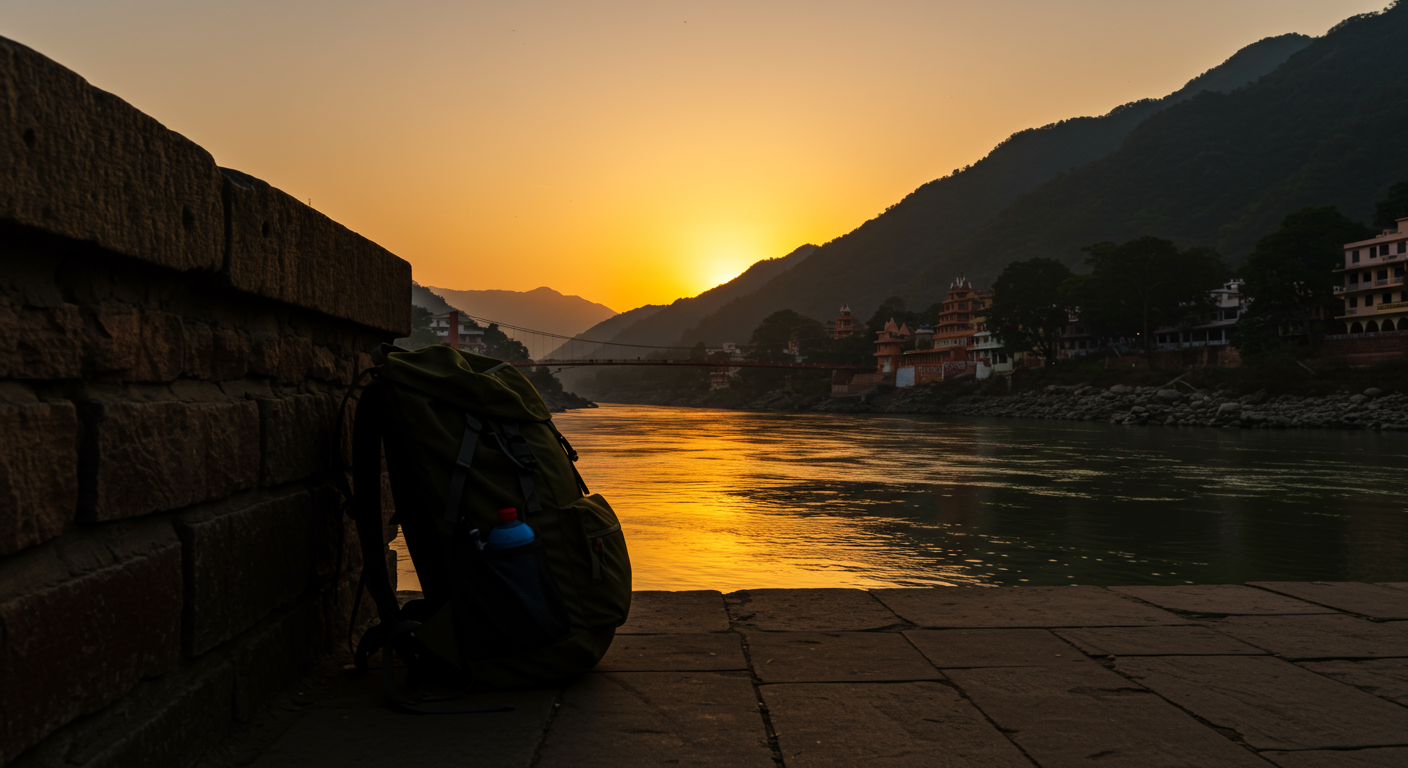
Unveiling the Soul of Rishikesh Through Its Flavors and Traditions
The sound of the Ganges changes after dark, its gentle lapping against the ghats replaced by the rhythmic chanting from ashrams and the distant buzz of evening markets. Most travelers don’t realize that Rishikesh, often seen as merely a yoga and adventure hub, offers a profoundly rich tapestry of rishikesh food & local culture waiting to be explored. Beyond the rapids and downward dogs, lies a world of authentic flavors, ancient spiritual practices, and heartwarming local interactions. This article isn’t just a list of places; it’s your practical, useful guide to truly immersing yourself in the culinary and cultural heart of Rishikesh. We’ll answer your burning questions about what to eat, where to find it, how to engage with local traditions, and the best ways to ensure your visit is both respectful and unforgettable.
Imagine starting your day with a cup of traditional chai, brewed with fresh ginger and spices, while watching the sunrise over the Himalayas. Picture yourself participating in an Aarti ceremony, the air thick with incense and devotion, followed by a simple, delicious thali at a local eatery. This deep dive into rishikesh food & local culture is about more than just sightseeing; it’s about connecting with the very essence of this spiritual town. You’ll discover why Rishikesh is not just a destination but an experience that nourishes the soul and delights the palate.
The Culinary Landscape of Rishikesh: A Vegetarian Paradise
Rishikesh holds a unique position as a holy city where meat and alcohol are strictly prohibited. This means its entire culinary scene is a vibrant, creative exploration of vegetarian and vegan dishes. You’ll find everything from traditional North Indian staples to international vegan fare, all prepared with fresh, local ingredients. Exploring the diverse range of rishikesh food & local culture in rishikesh is an adventure in itself. Expect an abundance of lentils (dals), fresh vegetables, paneer (Indian cheese), and a fascinating array of breads like naan, roti, and paratha. Spices are key, but dishes are often balanced, focusing on flavor rather than just heat. Don’t miss the chance to try local sweets like jalebi or gulab jamun, especially from small, family-run shops.
A specific local detail to note is the prevalence of “Satvik” food, especially in ashram kitchens and some restaurants. Satvik cuisine emphasizes purity and freshness, avoiding onions, garlic, and certain spices believed to agitate the mind. This aligns perfectly with the spiritual atmosphere of Rishikesh and offers a deeply nourishing experience. A typical Satvik thali, often costing around 150-300 INR, might include dal, rice, seasonal vegetable curry, roti, and a small sweet, providing a truly authentic taste of rishikesh food & local culture.
You might also be interested in: Read more about: Capture Your Epic Adventure: Skywalk & C…
Embracing Rishikesh’s Spiritual and Artistic Traditions
Beyond the plate, Rishikesh’s local culture is deeply intertwined with its spiritual heritage. The city is a global capital for yoga and meditation, attracting seekers from all corners of the world. Engaging with this culture doesn’t necessarily mean enrolling in a month-long yoga teacher training. It can be as simple as attending an evening Ganga Aarti at Parmarth Niketan or Triveni Ghat, a mesmerizing fire ceremony performed by priests, accompanied by devotional songs. These ceremonies, starting around 6:00 PM to 7:00 PM depending on the season, are a profound way to witness the spiritual pulse of Rishikesh. The collective energy is palpable, offering a truly immersive cultural experience.
Artistic traditions also thrive here, from intricate mandalas painted in cafes to local artisans selling handmade crafts. The streets near Laxman Jhula and Ram Jhula are particularly vibrant with small shops offering spiritual artifacts, Ayurvedic products, and handmade jewelry. Engaging with these local artists and vendors is a wonderful way to support the community and take home a piece of Rishikesh’s unique charm. The best rishikesh food & local culture in rishikesh often involves these spontaneous interactions and discoveries.
Navigating Rishikesh’s Culinary & Cultural Scene: A Practical Guide
To truly experience the best of rishikesh food & local culture in rishikesh, a bit of preparation goes a long way. This section provides actionable steps and tips to ensure your journey is seamless and enriching, allowing you to focus on the exploration rather than logistical worries. From what to wear to how to find those hidden culinary gems, I’ve got you covered.
You might also be interested in: Read more about: Finding the Best Hotels in Rishikesh<…
What to Wear and Essential Etiquette
When exploring the cultural and culinary landscape of Rishikesh, mindful dressing is key. Rishikesh is a holy city, and modest attire is appreciated, especially when visiting temples, ashrams, or participating in religious ceremonies. For women, this means covering shoulders and knees; loose-fitting clothes like salwar kameez, long skirts, or trousers paired with tunics are ideal. For men, trousers and shirts are appropriate. Lightweight, breathable fabrics like cotton are best, especially during the warmer months, as you’ll be doing a fair amount of walking. Always remember to remove your shoes before entering temples or ashrams, a common practice across India.
Essential Etiquette Checklist:
- Dress modestly: Cover shoulders and knees, particularly in sacred spaces.
- Remove shoes: Before entering temples, ashrams, or some local homes.
- Respect silence: Maintain quiet in ashrams and meditation centers.
- Bargain gently: In local markets, a polite negotiation is acceptable, but avoid aggressive haggling.
- Ask permission: Before taking photos of people, especially sadhus or locals.
- Mind your left hand: In India, the left hand is considered impure; use your right hand for eating or handing over items.
These simple gestures of respect will open doors to more authentic interactions and a deeper appreciation of rishikesh food & local culture.
You might also be interested in: Explore Rishikesh Adventures on Bucketlistt
Finding the Best Rishikesh Food & Local Experiences
Discovering the best rishikesh food & local culture in rishikesh means venturing beyond the obvious tourist traps. While cafes near the bridges offer great views, the most authentic flavors are often found in smaller, unassuming eateries. Don’t be afraid to try street food from vendors with a steady stream of local customers – this is often where you’ll find the freshest and most delicious snacks. Look for vendors selling aloo puri (fried bread with potato curry) for breakfast, or samosas and pakoras for an evening snack. The average cost for a substantial
Planning Your Visit to Rishikesh
Rishikesh rewards travellers who plan ahead. The best experiences — whether a dawn yoga session by the Ganges, white-water rafting on grade IV rapids, or an evening Ganga Aarti at Triveni Ghat — often require booking a day or two in advance during peak season (October–November and March–May). Arriving with a flexible itinerary and an open mind is the best way to make the most of what Rishikesh offers.
Rishikesh is one of those rare destinations that genuinely delivers on its reputation — whether you come for the adrenaline, the spirituality, or simply to sit by the Ganga and think. This guide covered best rishikesh food & local culture in rishikesh, rishikesh food & local culture, rishikesh food & local culture in rishikesh, giving you the practical knowledge to plan a memorable visit. If you want a curated list of verified operators and activity packages, you can browse options on Bucketlistt.
Frequently Asked Questions
What is the best time to visit Rishikesh for adventure activities?
The best time to visit Rishikesh for adventure sports is October to November and February to May. The weather is clear, the Ganges water level is ideal for rafting, and most outdoor operators are fully active. Avoid the July–September monsoon season when heavy rainfall suspends many river and outdoor activities.
Is Rishikesh safe for solo travellers?
Yes — Rishikesh is generally considered safe for solo travellers, including solo female travellers. The city is a popular destination with a strong tourist infrastructure, well-lit main roads, and a vibrant community of yoga and adventure seekers. As with any travel, stay aware of your surroundings, book activities through verified operators, and keep your accommodation details handy.
What are the must-visit places in Rishikesh besides adventure sports?
Beyond the adventure scene, Rishikesh has a rich cultural and spiritual side worth exploring. Triveni Ghat hosts a mesmerising Ganga Aarti ceremony every evening at sunset — free to attend and deeply moving. Laxman Jhula and Ram Jhula suspension bridges are iconic landmarks. The Beatles Ashram (Maharishi Mahesh Yogi’s old meditation campus) is a fascinating abandoned site now open to visitors. Nearby Neelkanth Mahadev Temple is a popular pilgrimage site about 32 km away.
Are there age or weight restrictions for activities in Rishikesh?
Yes — most operators have safety-based restrictions. Bungee jumping typically requires participants to be 12+ years old, weigh between 40–110 kg, and have no history of heart conditions or back problems. Rafting generally accepts ages 14+ on the standard routes. Paragliding requires a weight limit of around 100–110 kg maximum. Always check the specific operator’s requirements when booking.
What should I wear and bring for adventure activities in Rishikesh?
Wear comfortable, athletic clothing that you don’t mind getting wet. Closed-toe shoes (trainers or sandals with straps) are essential for rafting and trekking. Bring a valid photo ID, some cash in INR, a change of clothes, and a small waterproof bag for your phone and valuables. Sunscreen and a water bottle are important for longer activities.
How much does a typical adventure activity cost in Rishikesh?
Costs vary by activity. River rafting typically ranges from INR 600–1,500 depending on the stretch (9 km, 16 km, or 36 km). Bungee jumping from 83 m costs around INR 3,500–4,500. Paragliding tandem flights range from INR 2,500–4,000. Camping packages with meals usually start at INR 1,500–2,500 per person per night. Always confirm what is included before booking.