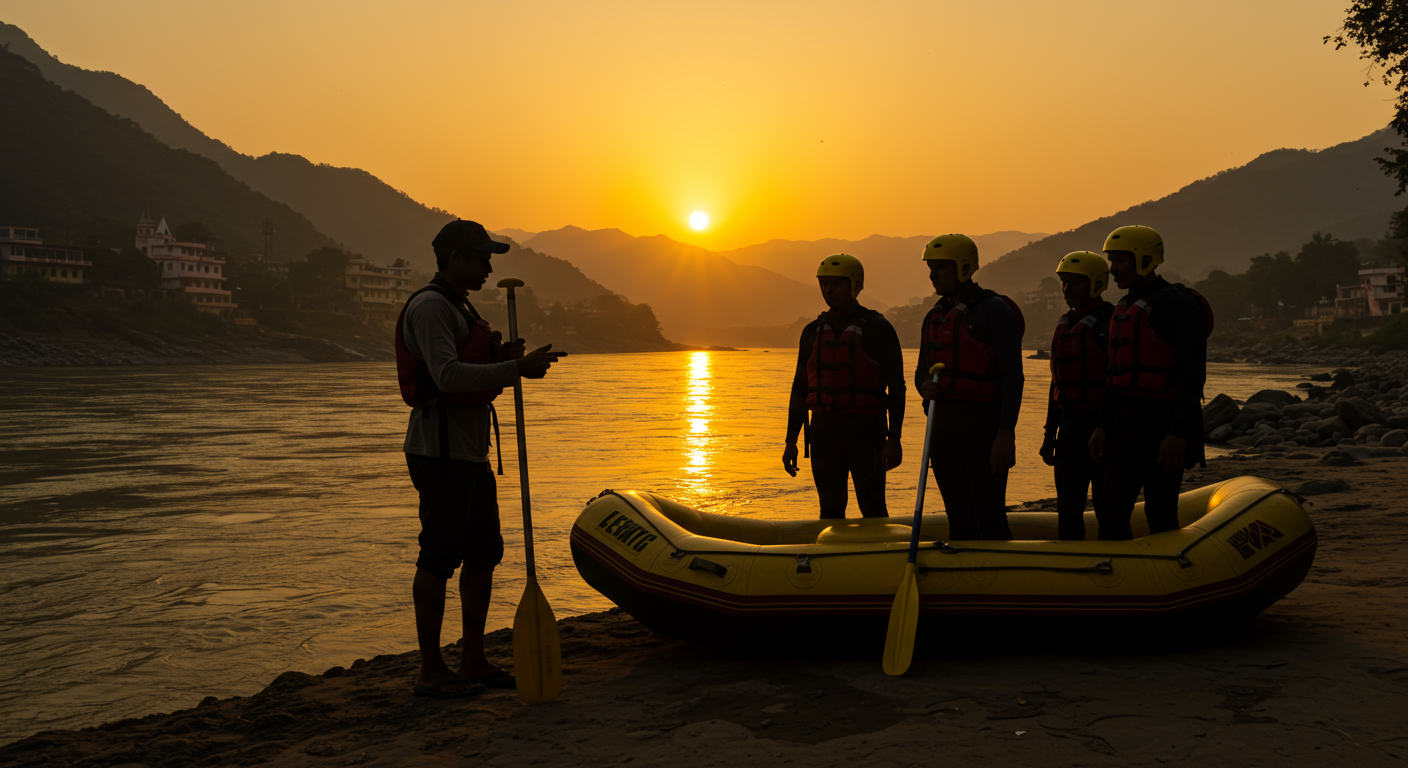
When the golden light of dawn first touches the Ganges in Rishikesh, a sense of profound peace descends. This vibrant town, nestled in the Himalayan foothills of Uttarakhand, is a magnet for spiritual seekers, adventure enthusiasts, and yoga practitioners from across the globe. However, like any popular destination, a memorable trip requires preparation. This comprehensive guide is designed to equip you with the best rishikesh safety & travel advice, ensuring your journey in 2026 is not only enriching but also secure and hassle-free. We’ll delve into practical aspects, from navigating local customs to securing your belongings, answering all the real questions you might have before you embark on your adventure to the ‘Yoga Capital of the World’.
Navigating Rishikesh: What You Need to Know for a Safe Journey
Before you even pack your bags, understanding the unique essence of Rishikesh is paramount. It’s a place where ancient spiritual traditions blend seamlessly with thrilling outdoor activities. From the tranquil ashrams lining the Ganges to the adrenaline-pumping rapids of Shivpuri, Rishikesh offers a diverse experience. Our primary focus here is to provide comprehensive rishikesh safety & travel advice, helping you blend in respectfully and enjoy every moment.
Understanding the Rishikesh Vibe: Spiritual & Adventurous
Rishikesh holds a dual identity: it’s a sacred pilgrimage site and an adventure sports hub. This blend creates a dynamic atmosphere that attracts a wide demographic. For spiritual solace, areas around Ram Jhula and Laxman Jhula are bustling with temples, ashrams, and ghats where pilgrims perform rituals. You’ll witness the mesmerizing Ganga Aarti, a daily fire ceremony, and find countless opportunities for meditation and yoga. On the other hand, just a short drive upstream to Shivpuri, the Ganges transforms into a playground for white-water rafting, cliff jumping, and trekking. Knowing which ‘Rishikesh’ you’re primarily seeking will shape your planning. Embrace the local pace; things often move slower here, a gentle reminder to truly unwind. Specific local details like the sound of temple bells at Triveni Ghat or the serene morning chants from Parmarth Niketan are integral to the Rishikesh experience.
Why Prioritize Rishikesh Safety & Travel Advice?
Prioritizing rishikesh safety & travel advice isn’t about being paranoid; it’s about being prepared and respectful. While Rishikesh is generally considered safe, especially given its spiritual ethos, being aware of common travel pitfalls can prevent inconvenience. This includes understanding local transport, staying healthy amidst new cuisine, and ensuring your personal belongings are secure. For instance, petty theft can occur in crowded areas, and navigating unfamiliar terrain after dark requires caution. By following our guidelines, you can focus on the incredible experiences Rishikesh has to offer, from exploring the ancient Neelkanth Mahadev Temple to finding peace by the riverside at Goa Beach.
Essential Preparation: Best Rishikesh Safety & Travel Advice in Rishikesh
The key to a successful and enjoyable trip lies in thorough preparation. This section offers the best rishikesh safety & travel advice in Rishikesh, covering everything from logistics to health, ensuring you arrive ready for anything. Think of this as your pre-trip checklist, designed by someone who knows the ins and outs of this incredible destination.
Getting There and Around: Transport Tips
Reaching Rishikesh is relatively straightforward. The nearest airport is Jolly Grant Airport (DED) in Dehradun, about 35 km away. From there, you can hire a pre-paid taxi for approximately INR 1000-1500 directly to your accommodation in Rishikesh. Alternatively, local buses are available, offering a more budget-friendly option. If traveling by train, Haridwar Junction (HW) is the closest major railway station, roughly 25 km from Rishikesh, with taxi fares ranging from INR 800-1200. Once in Rishikesh, getting around involves a mix of options:
You might also be interested in: Read more about: Unlocking Rishikesh’s Charms: Your Guide…
- Auto-rickshaws: Widely available for short distances. Always agree on a fare before starting your journey. A typical ride between Laxman Jhula and Ram Jhula might cost INR 50-100.
- Shared Autos (Vikrams): A very economical option for longer routes, following fixed paths.
- Scooter/Motorcycle Rentals: Popular for exploring nearby areas independently. Prices start from INR 400-600 per day. Ensure you have a valid international driving permit and always wear a helmet.
- Walking: Many areas, especially around the jhulas and ghats, are best explored on foot. Be mindful of traffic and cows on the roads.
For those planning to visit the ancient Neelkanth Mahadev Temple, local taxis or shared jeeps are readily available from Ram Jhula or Laxman Jhula, costing around INR 300-500 for a round trip.
Health, Hygiene, and Packing Essentials
Your health and comfort are paramount. Here’s what to consider:
- Water: Always drink bottled or filtered water. Avoid tap water, even for brushing teeth. Staying hydrated is crucial, especially during warmer months.
- Food: Rishikesh is a vegetarian town, with many vegan options. Stick to freshly cooked food from reputable establishments. Street food can be delicious but exercise caution.
- Medication: Carry a basic first-aid kit with any personal medications, pain relievers, antiseptic, and stomach remedies. Pharmacies are available but having your essentials is wise.
- Clothing: Rishikesh is a spiritual town. Dress modestly, especially when visiting temples or ashrams. Lightweight, breathable fabrics are ideal for the warm climate. For cooler evenings (especially in winter), a light jacket or shawl is necessary. For adventure activities, bring quick-drying clothes and sturdy footwear.
- Sun Protection: Sunscreen, sunglasses, and a wide-brimmed hat are essential year-round due to the strong Himalayan sun.
- Insect Repellent: Especially important during monsoon and evenings.
Insider Tip: Always carry a small daypack with water, snacks, hand sanitizer, and a power bank for your phone. Network connectivity can be sporadic in some remote areas.
Staying Secure: Practical Rishikesh Safety & Travel Advice
Your personal security is a priority. This section provides practical rishikesh safety & travel advice to help you navigate the town confidently and avoid common issues. Being informed allows you to relax and fully immerse yourself in the experience.
Personal Safety and Awareness in Rishikesh
Rishikesh maintains a relatively peaceful atmosphere, but like any tourist destination, vigilance is advisable. Here are some key points:
You might also be interested in: Read more about: Maximize Your
- Solo Travelers: Rishikesh is popular with solo travelers, especially women. While generally safe, avoid walking alone in isolated areas after dark. Stick to well-lit, populated routes.
- Belongings: Keep your valuables secure. Use hotel safes, and when out, carry bags close to your body. Be particularly cautious in crowded markets or during festivals.
- Scams: Be wary of individuals offering unsolicited “spiritual guidance” or overly aggressive sales pitches. Always trust your intuition.
- Local Customs: Public displays of affection are generally frowned upon. Remove your shoes before entering temples or ashrams. Always ask for permission before taking photos of individuals.
- Emergency Contacts: Keep local emergency numbers handy (Police: 100, Ambulance: 102). Inform someone of your itinerary, especially if venturing off the beaten path.
Remember, a little awareness goes a long way in ensuring your personal safety.
Adventure Sports Safety: What to Look For
Rishikesh is renowned for white-water rafting, bungee jumping, and trekking. These activities can be incredibly exhilarating, but safety must always come first. When booking adventure sports, always choose reputable operators. Look for companies that:
- Are government-licensed and insured.
- Provide well-maintained, modern equipment (helmets, life jackets, harnesses).
- Employ certified and experienced guides. You’ll find many rafting experts in Rishikesh who prioritize safety.
- Offer clear safety briefings before the activity begins.
- Have a good track record and positive reviews.
Don’t be afraid to ask questions about safety procedures and equipment. If something feels off, it’s best to find another provider. For rafting, ensure the guide accompanies you in the raft and is familiar with the river’s currents and rapids. Always follow your guide’s instructions precisely. This is a crucial part of ensuring the best rishikesh safety & travel advice in Rishikesh for thrill-seekers.
Unlocking Rishikesh’s Gems: Insider Tips for a Fulfilling Trip
Beyond the well-trodden paths, Rishikesh holds hidden treasures and nuances that can elevate your travel experience. These insider tips will help you connect with the true spirit of the place, making your visit truly unforgettable.
Best Times to Visit and Underrated Spots
The ideal time to visit Rishikesh is from September to November and February to May. During these periods, the weather is pleasant, perfect for both spiritual activities and adventure sports. The winter months (December-January) can be quite cold, while summer (June-August) brings intense heat and the monsoon season, which, while beautiful, can disrupt adventure activities due to high river levels.
You might also be interested in: Explore Rishikesh Adventures on Bucketlistt
While Laxman Jhula and Ram Jhula are iconic, venture a little further to discover some underrated gems:
- Goa Beach: A quiet white-sand beach on the Ganges, just a short walk from Laxman Jhula. It’s perfect for peaceful contemplation, sunbathing, or a refreshing dip away from the main crowds. Many backpackers consider this a top-rated in Rishikesh spot for relaxation.
- Garud Chatti Waterfall: Located near the Neelkanth temple road, this hidden waterfall offers a refreshing escape and a picturesque short trek. It’s less frequented than other spots, making it ideal for solitude.
- Vashistha Cave: About 25 km from Rishikesh, this ancient cave is believed to be where Sage Vashistha meditated. It offers a profound sense of tranquility and is ideal for meditation practitioners.
Experiencing Rishikesh during the shoulder seasons (early September or late May) can offer fewer crowds and pleasant weather, providing a more intimate connection with the locale.
Cultural Etiquette and Local Interactions across Rishikesh
Engaging with the local community respectfully enhances your travel experience significantly. Here are some pointers for navigating cultural etiquette across Rishikesh:
- Namaste: A traditional greeting. A slight bow with palms pressed together shows respect.
- Bargaining: In local markets, polite bargaining is acceptable, especially for souvenirs. However, maintain a friendly demeanor and avoid aggressive haggling.
- Photography: Always ask for permission before photographing people, especially sadhus (holy men) or during religious ceremonies.
- Donations: If you choose to donate at temples or to sadhus, do so respectfully and without expectation.
- Animal Respect: Cows are sacred in India. Treat them with respect and give them right of way on roads. Monkeys can be mischievous; avoid feeding them or carrying food openly.
By observing these simple courtesies, you’ll find locals to be incredibly welcoming and helpful, making your journey smoother and more authentic. This respectful approach is part of the comprehensive rishikesh safety & travel advice for every visitor.
Rishikesh is one of those rare destinations that genuinely delivers on its reputation — whether you come for the adrenaline, the spirituality, or simply to sit by the Ganga and think. This guide covered best rishikesh safety & travel advice in rishikesh, rishikesh safety & travel advice, rishikesh safety & travel advice in rishikesh, giving you the practical knowledge to plan a memorable visit. If you want a curated list of verified operators and activity packages, you can browse options on Bucketlistt.
Frequently Asked Questions about Rishikesh Safety & Travel Advice
Is Rishikesh safe for solo female travelers in 2026?
Yes, Rishikesh is generally considered safe for solo female travelers. However, it’s always advisable to exercise caution, especially after dark. Stick to well-lit areas, be aware of your surroundings, and avoid isolated spots. Following good rishikesh safety & travel advice ensures a secure trip.
What are the typical costs for a trip to Rishikesh?
Costs vary widely based on your style of travel. A budget traveler might spend INR 1000-2000 per day (including basic accommodation, food, and local transport), while a mid-range traveler could expect INR 3000-5000. Adventure activities like rafting typically cost INR 800-1500 per person. This best rishikesh safety & travel advice in Rishikesh helps you budget effectively.
When is the best time of year to visit Rishikesh?
The ideal times to visit are from September to November and February to May. The weather is pleasant for both spiritual activities and adventure sports. The monsoon season (June-August) brings heavy rains, while winters (December-January) can be quite chilly.
How can I ensure safety during adventure activities in Rishikesh?
Always choose licensed and reputable operators for activities like rafting or bungee jumping. Ensure they provide well-maintained equipment and certified guides. Don’t hesitate to ask about their safety protocols. This is critical rishikesh safety & travel advice for thrill-seekers.
What should I pack for a trip to Rishikesh?
Pack modest, lightweight clothing suitable for a spiritual town. Include comfortable walking shoes, sun protection (hat, sunscreen), insect repellent, a basic first-aid kit, and any personal medications. A light jacket might be useful for cooler evenings or winter months.
Are there any specific cultural norms I should be aware of in Rishikesh?
Yes, dress modestly, remove shoes before entering temples or ashrams, and greet people with “Namaste.” Avoid public displays of affection and always ask for permission before taking photos of individuals. Respect for local traditions is a key part of good rishikesh safety & travel advice.
How do I get around Rishikesh efficiently?
You can get around Rishikesh using auto-rickshaws (negotiate fare beforehand), shared autos (Vikrams), or by renting a scooter for more independence. Many areas, particularly around the Ganges, are best explored on foot. Plan your routes to avoid unnecessary travel time.
Can I drink tap water in Rishikesh?
It is strongly advised to avoid drinking tap water in Rishikesh. Always opt for bottled water, filtered water, or use a personal water purifier. This is a fundamental piece of best rishikesh safety & travel advice in Rishikesh to prevent stomach issues and ensure a healthy trip.