The aroma of freshly brewed chai mingles with the faint scent of incense as the morning sun kisses the Ganges. This isn’t just a spiritual haven; it’s a vibrant tapestry woven with incredible culinary delights and deeply rooted traditions. Most travelers don’t realize that beyond its yoga studios and ashrams, Rishikesh offers a profound journey into its unique gastronomic landscape and local customs. Understanding the heart of rishikesh food & local culture is key to truly experiencing this sacred town. This comprehensive guide will walk you through the must-try dishes, local etiquette, and authentic experiences that define this Himalayan gem, ensuring your visit is as enriching for your palate as it is for your soul.
Exploring the Heart of Rishikesh’s Culinary & Cultural Identity
When you delve into rishikesh food & local culture, you’re not just eating; you’re participating in a centuries-old tradition. The food here is predominantly vegetarian, reflecting the town’s spiritual significance as a pilgrimage site. This isn’t a limitation but a celebration of fresh, seasonal ingredients often sourced from the surrounding Himalayan foothills. From simple, soulful meals prepared in ashram kitchens to bustling street food stalls, every bite tells a story. The local culture, deeply intertwined with spirituality and respect for nature, manifests in daily rituals, festivals, and the warm hospitality you’ll encounter.
What to Expect from Rishikesh’s Unique Gastronomy
The food scene in Rishikesh is a delightful blend of traditional Indian, regional Garhwali, and international influences catering to its diverse visitor base. Expect to find a plethora of cafes offering everything from fresh juices and organic salads to wood-fired pizzas, alongside authentic Indian restaurants serving rich curries, dals, and breads. The emphasis is always on fresh, wholesome, and sattvic (pure) food. Many eateries proudly display their vegetarian-only menus, often without onion and garlic, adhering to Ayurvedic principles. Don’t miss out on local specialties like Aloo Ke Gutke, a spicy potato dish, or Kafuli, a spinach and fenugreek leaf curry, which are staples of Garhwali cuisine. The best quality in Rishikesh for these dishes can often be found in smaller, family-run establishments rather than large tourist-centric restaurants. You’ll also find a surprising array of international options, from Israeli to Italian, reflecting the town’s global appeal.
“Rishikesh’s culinary scene is a testament to its spiritual core – wholesome, vibrant, and incredibly diverse. It’s a journey for the taste buds as much as it is for the soul.”
The Enduring Charm of Local Traditions and Festivals
Beyond the plate, the local culture in Rishikesh is palpable in every corner. The daily Ganga Aarti at Triveni Ghat is a mesmerizing spectacle of devotion, light, and sound that draws crowds of locals and tourists alike. This sacred ritual, performed at sunset, is a powerful reminder of the Ganges River’s revered status. Throughout the year, Rishikesh celebrates numerous festivals, including Shivratri, Diwali, and the International Yoga Festival, which attract visitors from across the globe. These events offer a fantastic opportunity to witness traditional music, dance, and spiritual practices up close. Engaging with these traditions, like participating in a morning yoga session by the river or simply observing the daily life of pilgrims, provides a deeper understanding of the spiritual rhythm that defines life in this holy town. The vibrant markets, filled with local crafts, spiritual artifacts, and fresh produce, are also a window into the daily lives of customers in Rishikesh.
You might also be interested in: Read more about: family adventures rishikesh
Navigating the Flavors and Festivities: A Practical Guide
To truly immerse yourself in the best rishikesh food & local culture in Rishikesh, a little preparation goes a long way. Understanding where to eat, what to try, and how to respectfully engage with local customs will enhance your experience significantly. Rishikesh, while being a major tourist hub, retains its authentic charm in its quieter lanes and local eateries. Discovering these hidden gems is part of the adventure.
Discovering Rishikesh’s Culinary Hotspots and Must-Try Delicacies
Embarking on a culinary adventure in Rishikesh means exploring diverse dining options. Here’s a step-by-step guide to finding your favorite spots:
- Start with Street Food: Don’t shy away from the clean and bustling street food stalls. Look for vendors with a steady stream of local customers. Must-tries include pani puri, aloo tikki, and piping hot jalebis. A plate of chaat typically costs around INR 50-100.
- Explore Cafe Culture: Tapovan and Laxman Jhula areas are dotted with cafes offering stunning river views and a mix of Indian and international fare. Places like Little Buddha Cafe or German Bakery are popular for their relaxed ambiance and diverse menus. Expect to pay INR 300-700 for a meal.
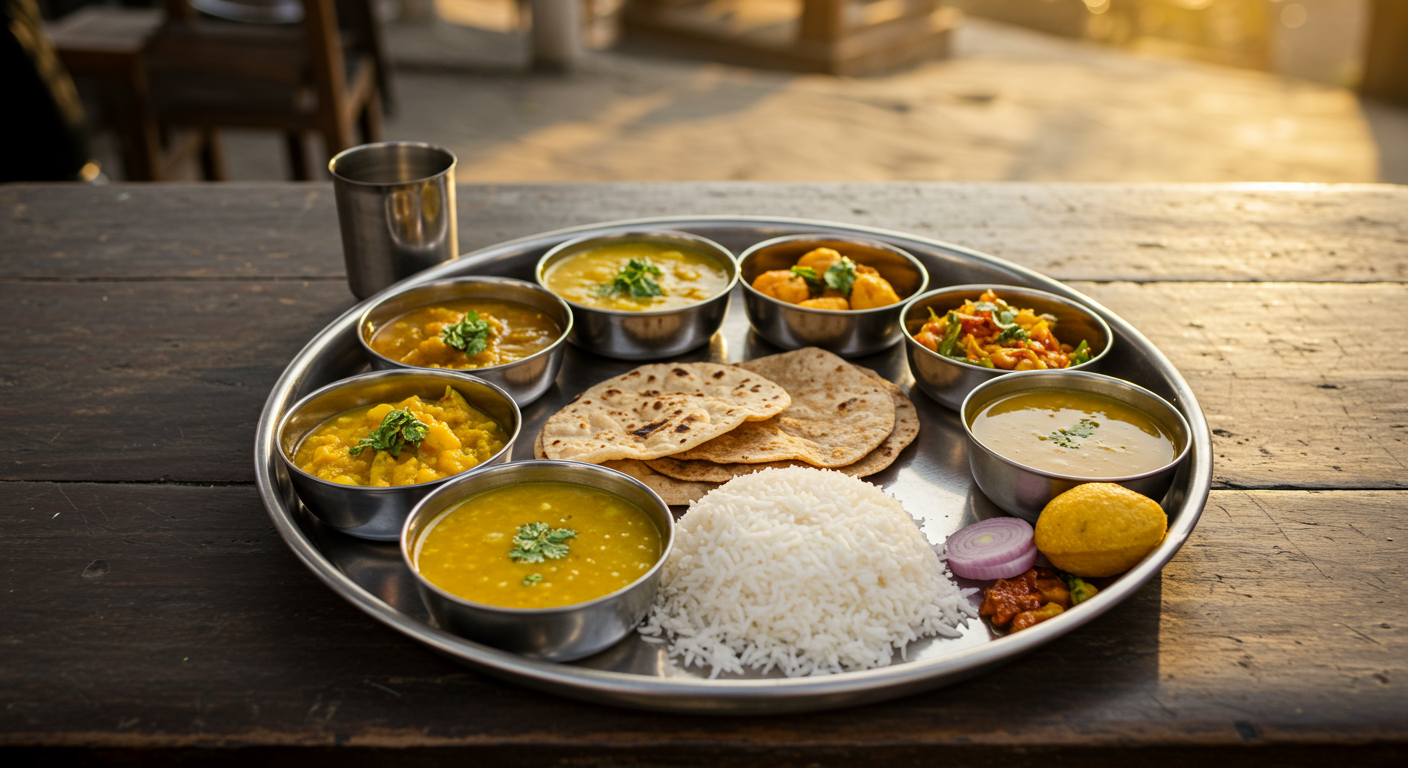
- Dine at Local Dhabas: For an authentic and budget-friendly meal, seek out local dhabas (roadside eateries). They serve traditional thalis (platter meals) with dal, roti, rice, and vegetables, often for just INR 150-250. These are excellent places to experience genuine rishikesh food & local culture in Rishikesh.
- Sample Garhwali Cuisine: Ask locals for recommendations for authentic Garhwali restaurants. These are often tucked away from the main tourist routes but offer unique flavors like Kandalee ka Saag or Gahat ki Dal.
- Attend a Cooking Class: Many guesthouses and ashrams offer cooking classes, providing hands-on experience with Indian vegetarian cooking. This is a fantastic way to understand the ingredients and techniques behind rishikesh food & local culture.
When selecting your dining spots, always prioritize hygiene. Look for places where food is cooked fresh and served hot. The tap water in Rishikesh is generally not safe for drinking; always opt for bottled water or use a water filter.
Engaging with Rishikesh’s Rich Cultural Tapestry
To truly appreciate the best rishikesh food & local culture in Rishikesh, active participation and respectful observation are key. Here’s how to immerse yourself:
You might also be interested in: Read more about: Soar with BUCKETLISTT’s Unique Zipline A…
- Attend the Ganga Aarti: This daily ritual at Triveni Ghat is a spiritual highlight. Arrive early (around 5:30 PM in winter, 6:30 PM in summer) to secure a good spot. Participate by offering a small diya (lamp) to the river.
- Visit Ashrams and Temples: Explore the numerous ashrams like Parmarth Niketan or Sivananda Ashram. Many offer daily yoga, meditation, and satsangs (spiritual discourses) that are open to the public. Temples like Trayambakeshwar Temple near Laxman Jhula offer architectural beauty and spiritual solace.
- Explore Local Markets: Wander through the bustling markets around Laxman Jhula and Ram Jhula. This is where you’ll find local produce, traditional clothing, handicrafts, and spiritual items. It’s a great place to observe daily life and interact with local vendors.
- Respect Local Customs: Dress modestly, especially when visiting temples or ashrams. Remove your shoes before entering religious sites. Always ask for permission before taking photos of people. Rishikesh is a dry town, so alcohol consumption is prohibited.
- Take a Nature Walk: Beyond the town, explore the natural beauty. A hike to Neer Garh Waterfall offers stunning views and a refreshing dip. For a more secluded experience, discover Garud Chatti Waterfall, an underrated gem near the Neelkanth temple road. These excursions provide a different perspective on life across Rishikesh.
These experiences are not just tourist attractions; they are integral parts of the local way of life. Engaging with them respectfully will deepen your connection to the town and its people.
Insider Tips for an Authentic Rishikesh Experience
Having explored the general landscape, let’s dive into some insider tips that will elevate your journey into rishikesh food & local culture from a mere visit to a truly unforgettable immersion. These are the nuances that experienced travelers and locals understand, making all the difference.
Savouring the Seasons: Best Times for Food and Festivities
The timing of your visit can significantly impact your experience of rishikesh food & local culture. The best time to visit Rishikesh for both weather and festivities is generally from September to November and February to April. During these periods, the weather is pleasant, making it ideal for outdoor activities, exploring markets, and enjoying riverside cafes. The cooler, dry air enhances the flavors of hot beverages and spicy street food. The famous International Yoga Festival typically takes place in March, offering a unique blend of spiritual practices, cultural performances, and sattvic food stalls. Monsoon season (July-August) brings lush greenery and fewer crowds, but heavy rains can disrupt travel plans and limit outdoor culinary experiences. In winter (December-January), the mornings and evenings are quite cold, making warm Garhwali dishes particularly appealing, but many outdoor cafes might be less active. Consider attending a local fair or a smaller temple festival if your visit aligns, as these are fantastic opportunities to witness genuine local traditions and sample special festive foods. Look for experts in Rishikesh who offer guided food walks for a curated experience.
You might also be interested in: Explore Rishikesh Adventures on Bucketlistt
Beyond the Plate: Deepening Your Cultural Immersion
To truly grasp the essence of Rishikesh, look beyond the well-trodden paths. Here are some pointers:
- Morning Rituals: Wake up early and witness the town come alive. Join locals for a dip in the Ganges at Rishikund, a sacred ancient pond near Raghunath Temple, known for its reflection of the Shani temple, or simply observe the morning prayers and yoga sessions by the river. This quiet time offers a profound sense of peace often missed by those who sleep in.
- Learn a Few Phrases: Even a few words of Hindi like “Namaste” (hello), “Dhanyawad” (thank you), and “Kitne ka hai?” (how much is it?) can open doors and foster warmer interactions with locals.
- Volunteer or Participate: Many ashrams and local organizations welcome volunteers for short periods. This can be an incredible way to gain a deeper understanding of the local way of life, participate in community projects in Rishikesh, and connect with people on a more personal level. Even a day of volunteering at a local charity or a cleanup drive can be very rewarding.
- Explore Underrated Gems: While Laxman Jhula and Ram Jhula are iconic, take time to explore quieter areas. Rishikund, mentioned earlier, is a peaceful spot. Another gem is the Vashishta Gufa (cave), a serene meditation spot slightly outside the main town, offering a tranquil escape and a historical connection to ancient sages.
- Bargaining Etiquette: In local markets, bargaining is common and expected, especially for clothes, souvenirs, and handicrafts. Do so respectfully and with a smile. However, fixed prices apply in most restaurants and larger shops.
By embracing these insider tips, you’ll move beyond being a tourist and become a temporary resident, truly experiencing the rich tapestry of rishikesh food & local culture.
Rishikesh is one of those rare destinations that genuinely delivers on its reputation — whether you come for the adrenaline, the spirituality, or simply to sit by the Ganga and think. This guide covered best rishikesh food & local culture in rishikesh, rishikesh food & local culture, rishikesh food & local culture in rishikesh, giving you the practical knowledge to plan a memorable visit. If you want a curated list of verified operators and activity packages, you can browse options on Bucketlistt.
Frequently Asked Questions about Rishikesh Food & Local Culture
What kind of food is typically found in Rishikesh?
Rishikesh offers predominantly vegetarian cuisine, ranging from traditional Indian and Garhwali dishes to international options like Italian and Israeli. Due to its spiritual significance, many establishments serve sattvic food, often without onion and garlic.
Is it safe to eat street food in Rishikesh?
Yes, street food in Rishikesh can be safe and delicious, but it’s important to choose wisely. Look for stalls that are busy, have fresh ingredients, and cook food to order. Always opt for bottled water to avoid stomach issues.
What are some must-try local dishes in Rishikesh?
You should definitely try Garhwali specialties like Aloo Ke Gutke and Kafuli. Popular street foods include pani puri, aloo tikki, and jalebis. Don’t forget to sample the diverse offerings of the cafes for a taste of the best rishikesh food & local culture in Rishikesh.
What cultural experiences should I not miss in Rishikesh?
Attending the Ganga Aarti at Triveni Ghat is a quintessential experience. Visiting ashrams for yoga and meditation sessions, exploring the local markets, and participating in local festivals are also key to understanding the vibrant rishikesh food & local culture.
Is Rishikesh a dry town, and how does that affect dining?
Yes, Rishikesh is a dry town, meaning alcohol is prohibited. This contributes to its spiritual and peaceful atmosphere. Most restaurants and cafes will not serve alcoholic beverages, aligning with the sattvic nature of the local food and culture.
What is the approximate cost of food in Rishikesh?
Food costs vary widely. Street food items can be as low as INR 50-100. A meal at a local dhaba might cost INR 150-250, while cafe meals range from INR 300-700. Fine dining, though less common, would be higher.
How can I respectfully engage with local traditions in Rishikesh?
Always dress modestly, especially when visiting religious sites, and remove your shoes before entering temples or ashrams. Ask for permission before taking photos of people. Being open to learning and observing local customs will greatly enhance your understanding of rishikesh food & local culture.
Are there any cooking classes available to learn about Rishikesh food?
Yes, several guesthouses and ashrams in Rishikesh offer cooking classes focusing on Indian vegetarian cuisine. These hands-on experiences are a fantastic way to learn about local ingredients and cooking techniques, allowing you to bring a piece of Rishikesh home with you.