Your Rishikesh Adventure Starts Here: Finding the Perfect Stay
Stepping into Rishikesh, you immediately feel its unique pulse – a blend of spiritual serenity, thrilling adventure, and vibrant community. As someone who has navigated its winding paths and serene ghats countless times, I can tell you that choosing the right accommodation is key to unlocking its magic. Forget generic hotels; for an authentic, budget-friendly, and socially rich experience, the best hostels in Rishikesh are your go-to. Many travelers don’t realize the sheer variety available, catering to every vibe from a quiet yogi retreat to a lively backpacker hub.
This guide isn’t just a list; it’s your practical roadmap. We’ll dive deep into what makes a hostel truly great in this sacred city, answering all your burning questions about location, amenities, and local insights. Whether you’re a solo adventurer, a couple seeking a cozy nook, or a group looking for fun, I’ll help you pinpoint the best hostels in Rishikesh that perfectly match your journey. Get ready to explore the spiritual heart of India, knowing you’ve secured a fantastic base in Rishikesh.
What Makes a Hostel “Best” in Rishikesh & Why It Matters
When you’re searching for the best hostels in Rishikesh, you’re not just looking for a bed; you’re seeking an experience. Rishikesh is a destination that offers so much, from Ganga Aarti at Triveni Ghat to white-water rafting on the Ganges. Your hostel choice can significantly amplify or detract from these experiences. A great hostel offers more than just affordability; it provides a community, local connections, and a safe, comfortable space to recharge. Understanding these elements is crucial for a memorable trip to this vibrant city.
Navigating the Hostel Scene: What to Expect from the Best
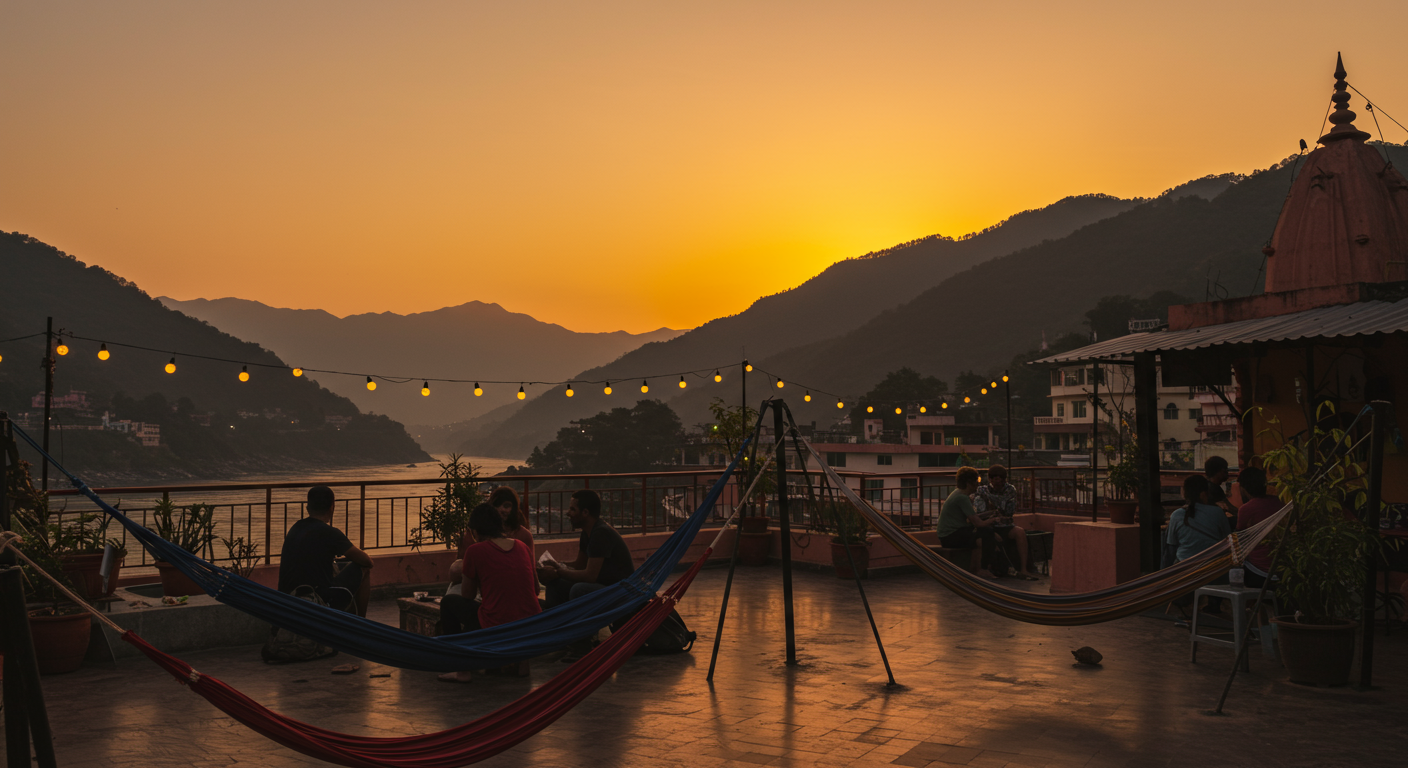
The hostel landscape in Rishikesh is incredibly diverse. You’ll find everything from serene, yoga-focused ashram-style hostels to bustling party hostels with rooftop cafes and live music. The best hostels in Rishikesh often strike a balance, offering clean dorms and private rooms, hot showers (a blessing in winter!), reliable Wi-Fi, and communal spaces that foster interaction. Expect to find hostels equipped with cafes, common rooms for games or movie nights, and often, organized activities like yoga classes, trekking tours, or rafting trips. Many also boast stunning views of the Ganges or the surrounding Himalayas, providing a picturesque backdrop to your stay. Local details like the availability of purified water filters or an on-site laundry service, often for a small fee, can make a huge difference.
“Choosing a hostel isn’t just about price; it’s about the vibe. The right hostel in Rishikesh can turn a good trip into an unforgettable adventure, connecting you with fellow travelers and local culture in ways a hotel simply can’t.”
Who Are the Best Hostels Suited For?
While hostels are traditionally associated with young backpackers, the best hostels in Rishikesh cater to a much broader audience. They are ideal for:
- Solo Travelers: Offering a built-in community, easy opportunities to meet people, and shared experiences.
- Budget-Conscious Explorers: Significantly more affordable than hotels, freeing up funds for activities and delicious food.
- Adventure Seekers: Many hostels specialize in organizing rafting, trekking, and bungee jumping, making logistics simple.
- Spiritual & Wellness Enthusiasts: A growing number of hostels offer daily yoga, meditation, and a peaceful environment, often close to yoga schools and ashrams like The Beatles Ashram (Chaurasi Kutia).
- Digital Nomads: With strong Wi-Fi and co-working spaces becoming common, hostels are increasingly popular for remote workers.
Even if you’re not a typical “hosteler,” consider a private room in one of the highly-rated hostels. You get the community benefits without sacrificing privacy. This approach allows you to experience the true essence of Rishikesh.
You might also be interested in: Read more about: How Can Destinations Adapt to Evolving N…
How to Book Your Ideal Hostel: A Practical Step-by-Step Guide
Securing your spot in one of the best hostels in Rishikesh requires a bit of planning, especially during peak seasons (October-November and March-May). Don’t just show up expecting a bed; popular hostels fill up quickly. Here’s a practical, step-by-step approach to ensure a smooth booking process and a fantastic stay in Rishikesh.
Pre-Booking Essentials: Preparation and Platforms
Before you even think about hitting the ‘book’ button, a little preparation goes a long way.
- Define Your Vibe: Do you want quiet and spiritual, or lively and social? Are you looking for daily yoga, or just a place to crash after a day of adventure? Rishikesh has it all, so knowing your preference narrows down the search for the best hostels in Rishikesh in Rishikesh.
- Research Online: Utilize major booking platforms. Look at recent reviews, paying close attention to comments about cleanliness, staff helpfulness, Wi-Fi reliability, and the social atmosphere. Photos can be deceiving, so cross-reference with traveler photos if available.
- Check Amenities: Confirm essentials like hot water availability, air conditioning/heating (depending on the season), lockers for valuables, and whether breakfast is included. Some of the best best hostels in Rishikesh in Rishikesh even offer free filtered water refills, which is a huge plus.
- Read the Fine Print: Understand cancellation policies, check-in/check-out times, and any additional charges (e.g., for towels, laundry).
- Approximate Costs: A dorm bed in a good hostel can range from INR 400-800 per night, while a private room might be INR 1200-2500, depending on the season and amenities. Prices tend to be higher during festivals like Holi or Diwali, and around popular events.
Once you’ve done your homework, book in advance, especially if you’re traveling during peak tourist seasons or festivals. This ensures you get your preferred choice among the best hostels in Rishikesh and avoid last-minute stress.
Arrival and Local Navigation: Getting There and Settling In
Getting to your hostel in Rishikesh is generally straightforward. Most travelers arrive by train to Haridwar or by flight to Dehradun (Jolly Grant Airport). From either, you can easily take a shared auto-rickshaw, a private taxi, or a local bus directly to Rishikesh. Tell your driver the area (e.g., Tapovan, Lakshman Jhula, Ram Jhula) your hostel is in, as Rishikesh is quite spread out.
- What to Wear/Bring: Rishikesh is a spiritual town. While comfortable travel clothes are fine, it’s respectful to dress modestly, especially when visiting temples or ashrams. Light, breathable fabrics are best for summers, while layers are essential for winters. Don’t forget a sturdy pair of walking shoes for exploring and flip-flops for general use. A reusable water bottle is a must.
- Physical Requirements: Rishikesh involves a lot of walking, often uphill or across suspension bridges. Be prepared for some physical activity.
- Safety Notes: Rishikesh is generally very safe, but common sense prevails. Keep valuables secure (use lockers!), be aware of your surroundings, especially at night, and avoid walking alone in secluded areas after dark.
- On Arrival: Once you reach your hostel, take a moment to understand the layout, ask about local recommendations, and familiarize yourself with any house rules. Many hostels, particularly the best hostels in Rishikesh, will have a reception happy to help you with local information or tour bookings.
Insider Tips & Best Practices for Your Rishikesh Hostel Stay
Having spent considerable time exploring Rishikesh, I’ve gathered some insider tips that can elevate your hostel experience from good to absolutely fantastic. These are the little nuggets of wisdom that locals might not tell you, but experienced travelers swear by, especially when seeking the best hostels in Rishikesh.
Maximizing Your Experience: Timing, Exploration, and Local Flavors
Timing your visit can significantly impact your experience. The best time of year to visit Rishikesh is typically October to early May, avoiding the intense monsoon season (July-September) and the peak summer heat (June). During these months, the weather is pleasant for outdoor activities like rafting and trekking, and the evening Ganga Aarti at Triveni Ghat is spectacular. If you visit during winter (December-February), be prepared for chilly mornings and evenings, but the days are often sunny and crisp.
You might also be interested in: Read more about: Mastering the SCAD Jump Rishikesh: Your …
When it comes to exploration, don’t just stick to the main tourist hubs around Lakshman Jhula and Ram Jhula. Venture out!
- Underrated Gems: Trek to the serene Vashishta Gufa (Cave) for a truly meditative experience on the banks of the Ganges. Or discover the secluded Patna Waterfall, reachable after a beautiful forest trek, offering a refreshing escape from the crowds.
- Local Nuances: The best time of day to experience the Beatles Ashram (Chaurasi Kutia) is early morning or late afternoon when the light is soft, and the crowds are thinner, allowing for a more reflective visit. Also, try to catch a morning yoga session at a local studio; many hostels will have recommendations.
- What to Avoid: While friendly, be wary of touts offering “special” spiritual services or overly aggressive rickshaw drivers. Always agree on a price beforehand. Also, avoid swimming in the Ganges during strong currents or without local guidance.
Many of the best hostels in Rishikesh in Rishikesh will organize group outings to these spots, providing a safe and social way to explore. Don’t be afraid to ask the hostel staff for their personal recommendations; they are often the best source of up-to-date local information.
Connecting with the Community and Sustainable Travel
One of the biggest advantages of staying in a hostel is the opportunity to connect with fellow travelers and locals. Participate in hostel events, share meals, and swap stories. You’ll find that Rishikesh, as a hub for spiritual seekers and adventurers, attracts a fascinating mix of people.
Embrace sustainable practices during your stay. Rishikesh is trying to boost tourism growth with sustainable practices, and you can contribute. This means minimizing plastic waste (many hostels offer water refills), supporting local businesses, and respecting the sacred environment. The Ganges is revered, so be mindful of your waste. Many of the best best hostels in Rishikesh in Rishikesh actively promote eco-friendly initiatives, from waste management to supporting local artisans, making it easier for you to travel responsibly.
Remember, Rishikesh is a vegetarian and alcohol-free city. Embrace this unique aspect; you’ll discover incredible vegetarian cuisine and a different kind of nightlife centered around bonfires, music, and conversation.
You might also be interested in: Explore Rishikesh Adventures on Bucketlistt
Your Rishikesh Journey Awaits: Final Thoughts on Hostels
My hope is that this guide has equipped you with all the practical knowledge needed to confidently book and enjoy your stay in one of the best hostels in Rishikesh. From understanding the diverse hostel landscape to navigating local nuances and embracing sustainable travel, you’re now ready to immerse yourself in the vibrant energy of this holy city.
Don’t delay your planning. Rishikesh is a destination that truly rewards those who prepare. I recommend booking your chosen hostel well in advance, especially if your travel dates fall within peak seasons or during local festivals. This will ensure you secure the perfect base for your adventures, whether you’re meditating by the Ganges, hiking to Neelkanth Mahadev Temple, or simply enjoying the camaraderie of fellow travelers.
Embark on your journey with an open mind and a spirit of adventure. Rishikesh offers profound experiences, and with the right hostel, you’ll find yourself not just visiting, but truly living, the magic of this incredible place. For a curated list of verified operators and packages, you can explore options on Bucketlistt.
Rishikesh is one of those rare destinations that genuinely delivers on its reputation — whether you come for the adrenaline, the spirituality, or simply to sit by the Ganga and think. This guide covered best best hostels in rishikesh in rishikesh, best hostels in rishikesh, best hostels in rishikesh in rishikesh, giving you the practical knowledge to plan a memorable visit. If you want a curated list of verified operators and activity packages, you can browse options on Bucketlistt.
Frequently Asked Questions about Best Hostels in Rishikesh
What are the typical amenities offered by the best hostels in Rishikesh?
The best hostels in Rishikesh typically offer dorm rooms and private rooms, hot showers, free Wi-Fi, lockers, and communal lounges. Many also feature cafes, yoga classes, organized tours, and shared kitchens, enhancing the stay for travelers.
What are the must-visit places in Rishikesh besides adventure sports?
Beyond the adventure scene, Rishikesh has a rich cultural and spiritual side worth exploring. Triveni Ghat hosts a mesmerising Ganga Aarti ceremony every evening at sunset — free to attend and deeply moving. Laxman Jhula and Ram Jhula suspension bridges are iconic landmarks. The Beatles Ashram (Maharishi Mahesh Yogi’s old meditation campus) is a fascinating abandoned site now open to visitors. Nearby Neelkanth Mahadev Temple is a popular pilgrimage site about 32 km away.
How much does a typical adventure activity cost in Rishikesh?
Costs vary by activity. River rafting typically ranges from INR 600–1,500 depending on the stretch (9 km, 16 km, or 36 km). Bungee jumping from 83 m costs around INR 3,500–4,500. Paragliding tandem flights range from INR 2,500–4,000. Camping packages with meals usually start at INR 1,500–2,500 per person per night. Always confirm what is included before booking.
Do I need prior experience for white-water rafting in Rishikesh?
No prior experience is required for most Rishikesh rafting stretches. The 9 km Brahmpuri to Rishikesh route is ideal for beginners with grade I–II rapids. The 16 km Marine Drive to Rishikesh route is suitable for first-timers who want a bit more excitement (grade III rapids). The 36 km Shivpuri stretch is recommended for those comfortable in water and seeking grade III–IV rapids.
How do I get from Rishikesh to the bungee jump or rafting starting point?
Most adventure activity start points are 15–30 km from Rishikesh town. Auto-rickshaws and shared taxis are available from Laxman Jhula and Ram Jhula areas. Many operators offer free or low-cost pickup from a central meeting point in Rishikesh — confirm this when booking. The drive through the Himalayan foothills is itself a scenic experience worth savouring.
Are there age or weight restrictions for activities in Rishikesh?
Yes — most operators have safety-based restrictions. Bungee jumping typically requires participants to be 12+ years old, weigh between 40–110 kg, and have no history of heart conditions or back problems. Rafting generally accepts ages 14+ on the standard routes. Paragliding requires a weight limit of around 100–110 kg maximum. Always check the specific operator’s requirements when booking.