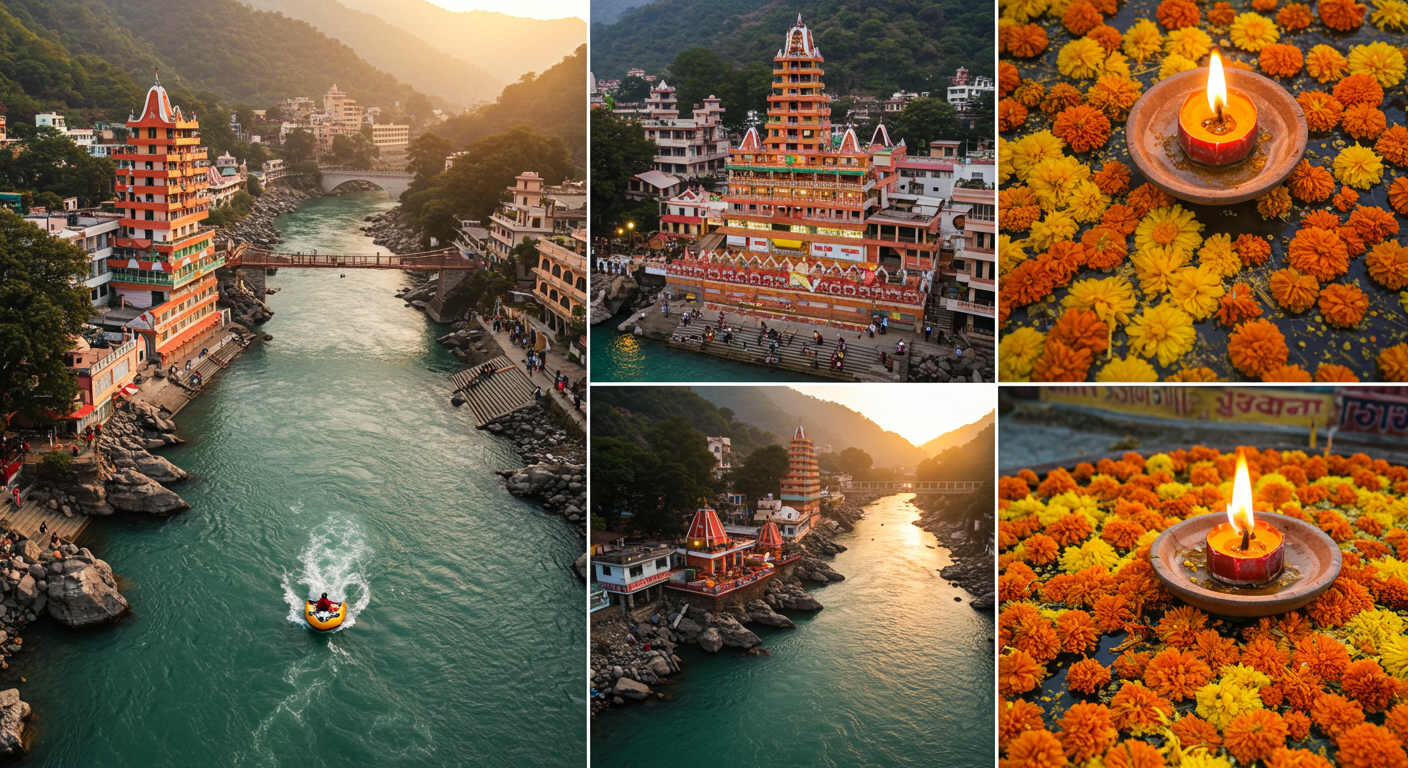
The crisp mountain air carries the scent of incense and the distant chime of temple bells as the Ganges flows majestically through the valley. This is Rishikesh, a town that has captured the hearts of spiritual seekers and adventure enthusiasts alike. If you’re wondering about the myriad things to do in Rishikesh, you’re in for a treat. As someone who has spent considerable time exploring every corner of this enchanting destination, I can tell you that Rishikesh offers an unparalleled blend of tranquility and thrill. This guide is designed to cut through the noise and provide you with practical, actionable advice on how to make the most of your visit. We’ll dive deep into the must-see sights, the hidden gems, practical considerations like costs and safety, and insider tips that only a local would know. From serene ashram experiences to heart-pounding adventure sports, preparing for your trip to Rishikesh has never been easier.
Exploring the Spiritual and Adventurous Things to Do in Rishikesh
Rishikesh, often hailed as the “Yoga Capital of the World,” is far more than just a spiritual retreat. It’s a vibrant tapestry woven with threads of ancient traditions, breathtaking natural beauty, and adrenaline-pumping activities. When considering the things to do in Rishikesh in Rishikesh, it’s crucial to understand this dual nature. On one hand, you have the serene ashrams, the sacred Ganga Aarti, and the profound sense of peace that permeates the air. On the other, the mighty Ganges beckons with opportunities for white-water rafting, bungee jumping, and trekking through lush forests. This unique combination makes Rishikesh a destination that caters to every kind of traveler, ensuring your itinerary is as diverse as your interests.
Discovering Rishikesh’s Spiritual Core
The spiritual heart of Rishikesh beats strongest along the banks of the Ganges. A visit to Parmarth Niketan, one of the largest ashrams in Rishikesh, is a quintessential experience. It’s not just a place for yoga and meditation; it’s a living community that hosts daily satsangs, kirtans, and the world-renowned Ganga Aarti ceremony at sunset. Witnessing this fire ceremony, where lamps are floated down the river, is a truly mesmerizing and meditative experience. The energy is palpable, and it’s one of the most profound things to do in Rishikesh. Another iconic sight is navigating the bustling pedestrian traffic across the Laxman Jhula and Ram Jhula suspension bridges. These bridges not only offer stunning panoramic views of the Ganges and the surrounding hills but also serve as gateways to various temples and markets. Don’t miss the 13-storey Trimbakeshwar Temple near Laxman Jhula, a marvel of intricate architecture and spiritual significance. Exploring these areas on foot allows you to soak in the local atmosphere, interact with pilgrims, and discover small, charming cafes tucked away in the lanes. The spiritual offerings are truly among the best things to do in Rishikesh in Rishikesh.
Embracing Adventure: Beyond the Ashrams
For those seeking an adrenaline rush, Rishikesh delivers in spades. The Ganges River is a playground for white-water rafting, with various grades of rapids suitable for both beginners and experienced rafters. Companies offering rafting trips are abundant, typically charging around INR 800-1500 for a 16-kilometer stretch, depending on the season and rapids chosen. Another thrilling option is bungee jumping, which Rishikesh proudly boasts as India’s highest fixed-platform bungee. Located at Jumpin Heights, it’s an experience that will undoubtedly get your heart racing. Beyond the water, the picturesque trails surrounding Rishikesh invite trekkers of all levels. A hike to the Neer Garh Waterfall is a refreshing escape. It’s a series of three beautiful waterfalls, each accessible via a relatively easy and scenic trek, allowing you to cool off in natural pools. This offers a different perspective on the natural beauty of Rishikesh, moving away from the riverbanks and into the lush Himalayan foothills. These adventurous pursuits are truly some of the most exciting things to do in Rishikesh.
You might also be interested in: Read more about: Your Essential Guide to Rishikesh Campin…
Planning Your Rishikesh Journey: Essential Steps and Best Practices
Embarking on a trip to Rishikesh requires a bit of planning to ensure a smooth and enriching experience. As an experienced traveler, I’ve learned that preparation is key, especially when visiting a place with such diverse offerings. This section will guide you through the practicalities, from getting there to what to pack, helping you focus on enjoying the best things to do in Rishikesh in Rishikesh without unnecessary hassle. Understanding the local nuances and logistics will significantly enhance your travel experience in this vibrant town.
Navigating Rishikesh: Getting Around and Accommodation
Getting to Rishikesh is relatively straightforward. The nearest airport is Jolly Grant Airport (DED) in Dehradun, about 35 kilometers away. From there, you can easily hire a taxi, which typically costs around INR 1000-1500, or take a shared auto-rickshaw to save some rupees. Rishikesh is also well-connected by train to major Indian cities, with Haridwar (25 km away) being the closest major railway station. Once in Rishikesh, local travel primarily involves walking, auto-rickshaws, and shared jeeps. Auto-rickshaws are plentiful, but always negotiate the fare beforehand. For accommodation, Rishikesh offers a wide range, from budget guesthouses and ashrams (expect INR 500-1500 per night for a basic room) to mid-range hotels and luxury resorts. Booking in advance, especially during peak season (March-June and September-November), is highly recommended to secure your preferred spot. Many ashrams, like Parmarth Niketan, offer basic accommodation options that include meals and access to their spiritual programs, providing an immersive experience.
Expert Tip: When arriving at Jolly Grant Airport, consider pre-booking a taxi or using ride-sharing apps if available, to avoid negotiating inflated fares with local taxi drivers, especially late at night.
Essential Packing and Safety Tips for Your Rishikesh Adventure
Packing for Rishikesh depends on the season, but generally, light, comfortable clothing is advisable. For temple visits and ashrams, modest attire that covers shoulders and knees is respectful and often required. Even in summer, a light shawl or scarf is useful. If you plan on trekking or adventure activities, bring sturdy walking shoes. Given the spiritual nature of Rishikesh, it’s a dry town, meaning no alcohol or non-vegetarian food is served publicly. Respecting this local custom is part of the experience. Safety in Rishikesh is generally good, but like any tourist destination, exercising caution is wise. Keep your valuables secure, especially in crowded market areas or on the bridges. For solo female travelers, Rishikesh is considered relatively safe, particularly in the main tourist areas. However, it’s always best to avoid walking alone in secluded areas after dark. Staying hydrated is crucial, particularly during the warmer months, and it’s advisable to drink only bottled water or water from trusted purifiers. These precautions will help you fully enjoy all the amazing things to do in Rishikesh.
You might also be interested in: Read more about: Conquer Fears: Your Ultimate Guide to Ri…
Here’s a quick checklist for your Rishikesh packing:
- Light and modest clothing: Cotton shirts, long pants, skirts, scarves.
- Comfortable walking shoes: Essential for exploring and trekking.
- Swimwear: If you plan to bathe in the Ganges or visit waterfalls.
- Sunscreen and hat: Protection from the strong Himalayan sun.
- Reusable water bottle: To minimize plastic waste.
- Basic first-aid kit: For minor scrapes or ailments.
- Insect repellent: Especially for evenings and treks.
- Power bank: To keep your devices charged on the go.
Unlocking Rishikesh’s Secrets: Insider Tips for an Unforgettable Visit
Beyond the well-trodden paths, Rishikesh holds several secrets and nuances that can elevate your trip from good to extraordinary. As someone deeply familiar with the rhythm of this town, I want to share some insider tips that will help you experience the most authentic and enriching things to do in Rishikesh. These insights are designed to help you navigate the best times to visit, discover lesser-known spots, and truly connect with the local culture.
Timing Your Visit: Best Seasons and Daily Rhythms in Rishikesh
The best time to visit Rishikesh is generally from late September to mid-November and from early March to late May. During these periods, the weather is pleasant, with clear skies and comfortable temperatures, ideal for both spiritual activities and adventure sports. The winter months (December-February) can be quite chilly, especially in the evenings, but offer a serene, less crowded experience. Summers (June-August) are hot and humid, often coinciding with the monsoon season, which can make white-water rafting more challenging due to high water levels, though the lush greenery is captivating. For experiencing the Ganga Aarti at Parmarth Niketan, aim to arrive at least an hour before sunset to secure a good spot, especially during peak season. The atmosphere builds gradually, and being there early allows you to absorb the escalating spiritual energy. Early mornings are perfect for yoga, meditation, or a peaceful stroll along the ghats before the crowds gather, offering some of the most tranquil things to do in Rishikesh.
You might also be interested in: Explore Rishikesh Adventures on Bucketlistt
Beyond the Beaten Path: Underrated Gems and Local Nuances
While the main attractions are wonderful, some of the most rewarding experiences in Rishikesh lie slightly off the tourist radar. Consider visiting Jhilmil Gufa, a group of three caves nestled in the forest near the Neelkanth Mahadev Temple. These caves are known among locals as places for deep meditation and offer a unique, quiet spiritual experience away from the bustling ashrams. Another excellent escape is the Phool Chatti Ashram Area. This quiet stretch of riverbanks and trails is upstream from Laxman Jhula and offers a peaceful retreat. You can find small, traditional cafes here and enjoy the serene flow of the Ganges without the constant chatter. For a truly local flavor, seek out the small tea stalls (chai wallahs) and local eateries that serve authentic Garhwali cuisine, such as “Aloo ke Gutke” or “Kafuli.” These are often more affordable and offer a taste of genuine Rishikesh culture. Exploring these local spots and engaging with the community are among the most authentic things to do in Rishikesh, offering a deeper connection to this special place. Don’t be afraid to wander; some of the best things to do in Rishikesh in Rishikesh are found unexpectedly.
Insider Tip: If you’re staying for more than a few days, consider attending a morning yoga class at a local, smaller ashram rather than just the big ones. You’ll often find more personalized instruction and a deeper sense of community, truly enriching your experience of Rishikesh.
Rishikesh is one of those rare destinations that genuinely delivers on its reputation — whether you come for the adrenaline, the spirituality, or simply to sit by the Ganga and think. This guide covered best things to do in rishikesh in rishikesh, things to do in rishikesh, things to do in rishikesh in rishikesh, giving you the practical knowledge to plan a memorable visit. If you want a curated list of verified operators and activity packages, you can browse options on Bucketlistt.
Frequently Asked Questions about Things to Do in Rishikesh
How do I get from Rishikesh to the bungee jump or rafting starting point?
Most adventure activity start points are 15–30 km from Rishikesh town. Auto-rickshaws and shared taxis are available from Laxman Jhula and Ram Jhula areas. Many operators offer free or low-cost pickup from a central meeting point in Rishikesh — confirm this when booking. The drive through the Himalayan foothills is itself a scenic experience worth savouring.
Do I need prior experience for white-water rafting in Rishikesh?
No prior experience is required for most Rishikesh rafting stretches. The 9 km Brahmpuri to Rishikesh route is ideal for beginners with grade I–II rapids. The 16 km Marine Drive to Rishikesh route is suitable for first-timers who want a bit more excitement (grade III rapids). The 36 km Shivpuri stretch is recommended for those comfortable in water and seeking grade III–IV rapids.
Is Rishikesh safe for solo travellers?
Yes — Rishikesh is generally considered safe for solo travellers, including solo female travellers. The city is a popular destination with a strong tourist infrastructure, well-lit main roads, and a vibrant community of yoga and adventure seekers. As with any travel, stay aware of your surroundings, book activities through verified operators, and keep your accommodation details handy.
What should I wear and bring for adventure activities in Rishikesh?
Wear comfortable, athletic clothing that you don’t mind getting wet. Closed-toe shoes (trainers or sandals with straps) are essential for rafting and trekking. Bring a valid photo ID, some cash in INR, a change of clothes, and a small waterproof bag for your phone and valuables. Sunscreen and a water bottle are important for longer activities.
How much does a typical adventure activity cost in Rishikesh?
Costs vary by activity. River rafting typically ranges from INR 600–1,500 depending on the stretch (9 km, 16 km, or 36 km). Bungee jumping from 83 m costs around INR 3,500–4,500. Paragliding tandem flights range from INR 2,500–4,000. Camping packages with meals usually start at INR 1,500–2,500 per person per night. Always confirm what is included before booking.
What are the must-visit places in Rishikesh besides adventure sports?
Beyond the adventure scene, Rishikesh has a rich cultural and spiritual side worth exploring. Triveni Ghat hosts a mesmerising Ganga Aarti ceremony every evening at sunset — free to attend and deeply moving. Laxman Jhula and Ram Jhula suspension bridges are iconic landmarks. The Beatles Ashram (Maharishi Mahesh Yogi’s old meditation campus) is a fascinating abandoned site now open to visitors. Nearby Neelkanth Mahadev Temple is a popular pilgrimage site about 32 km away.