
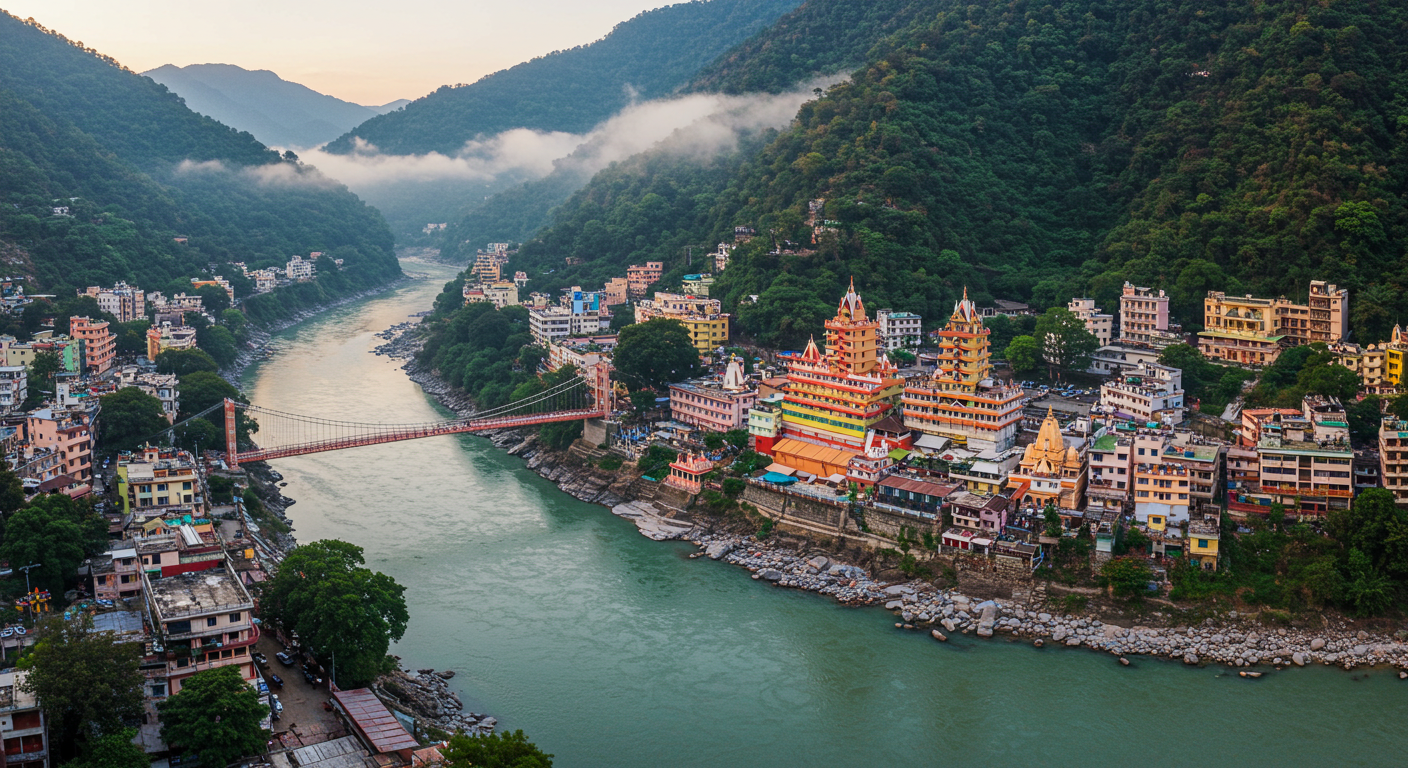
Embarking on a Journey to India’s Spiritual & Adventure Capital
As you step into the adventure capital, you enter a realm where spirituality, adventure, and natural beauty converge. Nestled in the foothills of the Himalayas, this sacred town, often hailed as the Yoga Capital of the World, offers an unparalleled experience for every traveler. My goal is to guide you through the intricate tapestry of experiences available, focusing on the diverse places to visit in the adventure capital that define its unique character. This isn’t just about sightseeing; it’s about understanding the vibrant tourism industry that thrives here, its offerings, and how you can best engage with it.
For those planning to visit the adventure capital in 2026, understanding the local tourism landscape is key. From ancient temples echoing with chants to adrenaline-pumping river rapids, the attractions here represent distinct segments of a flourishing industry. We’ll explore not just the “what” but the “how” and “why” behind these iconic destinations, ensuring your trip is both enriching and responsible.
Understanding the Tourism Industry in the adventure capital: Its Offerings and Impact
🌊 Book River Rafting in the adventure capital
Experience the thrill of white-water rafting with certified guides and a 100% safety record. Choose from 9km to 36km routes — instant confirmation guaranteed!
The tourism sector in this spiritual heartland of India is a complex ecosystem, constantly evolving to meet global demand while striving to preserve its natural and cultural heritage. The various places to visit in the adventure capital are not merely attractions; they are the core assets of a multi-faceted industry that supports thousands of livelihoods and contributes significantly to the regional economy.
Key Economic Drivers of the adventure capital Tourism
The allure of this destination lies in its dual appeal: spiritual solace and adventure thrills. This unique combination drives substantial visitor flow, creating a robust tourism industry. Spiritual tourism, centered around sites like Triveni Ghat and Parmarth Niketan, attracts pilgrims and seekers globally, fostering a demand for ashrams, yoga retreats, and traditional Ayurvedic services. Concurrently, the adventure tourism segment, spearheaded by locations like Shivpuri and Jumpin Heights, draws thrill-seekers for white-water rafting, bungee jumping, and trekking.
From an industrial perspective, these segments require specific infrastructure: trained guides, safety equipment, accommodation ranging from budget guesthouses to luxury resorts, and a network of local vendors providing everything from puja items to adventure gear. The large-scale usage scenarios of these attractions, especially during peak seasons, necessitate careful crowd management, waste disposal systems, and continuous maintenance of public facilities. The benefits are clear: job creation, infrastructure development, and cultural exchange. However, drawbacks include environmental strain, potential over-commercialization, and the challenge of maintaining authenticity amidst rapid growth.
You might also be interested in: read more about: Comparing Spiritual & Cultural the adventure capital…
Navigating the Best Places to Visit in the adventure capital: A Practical Guide
To truly experience the essence of the city, one must delve into its most significant sites. Each location contributes uniquely to the overall tourism product, offering distinct experiences and supporting various sub-sectors of the travel industry. Here are some of the best places to visit in the adventure capital, complete with practical details for your 2026 journey.
Iconic Bridges and Spiritual Hubs
The iconic suspension bridges, Lakshman Jhula and Ram Jhula, are not just landmarks but vital arteries for pedestrian flow and commerce. While Lakshman Jhula is currently closed to two-wheelers, the new Bajrang Setu offers a modern alternative. These bridges are critical components of the city’s tourism infrastructure, connecting ashrams, temples, and markets. The bustling markets around them are prime examples of small-scale industry, supporting local artisans and vendors.
- Lakshman Jhula & Ram Jhula: These iconic iron suspension bridges are spiritual and cultural landmarks. They are essential for photography and market exploration. You can also visit the Tera Manzil Temple nearby. They are accessible by walking, motorbike, or shared auto-rickshaws. Public access means no specific timings or fees, making them freely available for visitors.
- Bajrang Setu (Glass Floor Bridge): India’s first glass-floor suspension bridge, replacing the historic Lakshman Jhula for pedestrian traffic. Walking across the glass panels and viewing the Ganges below are popular activities. It’s located near the original Laxman Jhula site, walkable from Tapovan or accessible by auto-rickshaw. Public access is free.
These bridges facilitate the movement of tourists between different activity zones, directly impacting local businesses. The rise of Bajrang Setu also highlights infrastructure development within the tourism sector, adapting to new safety standards and visitor expectations.
Spiritual Sanctuaries and Retreats
The spiritual sites form the backbone of the adventure capital’s identity as a pilgrimage and yoga destination. These centers are not only places of worship but also significant economic entities, offering courses, accommodation, and cultural events.
You might also be interested in: Read more about: Unforgettable Paragliding in the adventure capital w…
- Triveni Ghat: This is the most sacred bathing spot and is famous for the evening Maha Ganga Aarti. Activities include attending the Aarti and taking a holy dip. It is also an important site for visiting the Raghunath Temple. The Maha Ganga Aarti occurs daily from 6:00 PM – 7:00 PM in summer and 5:30 PM – 6:30 PM in winter. It is free to attend, but I recommend arriving 45 minutes early for best seating. This ghat is a major point of convergence for spiritual tourists, requiring organized event management and supporting numerous small businesses.
- Parmarth Niketan: One of the largest ashrams in the region, known for its spiritual atmosphere, yoga classes, and the daily Ganga Aarti. It plays a crucial role in promoting wellness tourism and cultural exchange. This ashram represents a large-scale usage scenario in spiritual tourism, hosting thousands of guests annually for various programs.
- The Beatles Ashram (Chaurasi Kutia): These are the ruins where The Beatles learned Transcendental Meditation in 1968. Activities include graffiti art tours, exploring meditation domes, and photography. Open from 10:00 AM – 4:30 PM in summer and 10:00 AM – 3:30 PM in winter. This site, once abandoned, has been repurposed as a cultural heritage attraction, illustrating the adaptive reuse of historical assets within the tourism industry.
Adventure Hubs and Hidden Nature Gems
Beyond its spiritual side, the adventure capital is also an adventure sports capital, attracting thrill-seekers from across the globe. This segment of the industry is highly regulated due to safety concerns, involving specialized operators and equipment.
“For any adventure activity in the adventure capital, always prioritize Bucketlistt safety guidelines. The industry here has matured significantly, but vigilance is still key for a safe experience.”
- Shivpuri: Located 19km from the main town, Shivpuri is the undisputed hub of adventure. It’s where most white-water rafting expeditions begin, showcasing the robust adventure tourism industry that has developed around the Ganges.
- Jumpin Heights (Mohan Chatti): India’s premier bungee jumping destination (83 meters), offering bungee jump, giant swing, and flying fox (1km). Individual activities like Bungee/Swing cost around ₹4500, Flying Fox around ₹2500, with combos ranging from ₹7000 – ₹9000. This site exemplifies a highly specialized niche within the adventure tourism sector, demanding significant investment in safety infrastructure and expert personnel.
For those seeking tranquility away from the main tourist circuits, the underrated gems offer a different kind of industry product: eco-tourism and nature retreats. These sites cater to visitors looking for peace and untouched natural beauty, often involving local trekking guides and minimal infrastructure.
- Garud Chatti Waterfall: A hidden gem near the Neelkanth temple road, perfect for those seeking solitude. It’s a testament to the region’s potential for sustainable nature tourism, appealing to visitors who value quiet exploration over crowded attractions.
- Patna Waterfall: A secluded waterfall reached through a dense forest trek, offering peace and untouched nature. These natural attractions contribute to the burgeoning eco-tourism sector, often supported by local communities providing guiding services and small refreshment stalls.
Insider Tips & Best Practices for Your the adventure capital Visit
To maximize your experience and contribute positively to the local tourism industry, consider these insider tips for places to visit in the adventure capital.
Optimal Timing and Preparation
The best time to explore all the adventure capital adventures on Bucketlistt is from September to November and from February to May. During these periods, the weather is pleasant, ideal for both spiritual activities and adventure sports. Monsoon (July-August) brings heavy rains, often leading to river rafting closures and slippery trekking paths. Winter (December-January) can be quite cold, especially in the mornings and evenings, though the clear skies offer stunning views of the surrounding hills.
You might also be interested in: explore Rishikesh Adventures on Rishikesh-places
Regarding what to wear, modest clothing is advisable, especially when visiting temples and ashrams. Lightweight cottons are suitable for summer, while layers are essential for winter. For adventure activities, comfortable, quick-drying clothes and sturdy footwear are a must. Always carry a refillable water bottle to stay hydrated and reduce plastic waste, supporting the destination’s sustainability efforts.
Costs, Safety, and Local Etiquette
Costs for accommodation and activities vary widely. Budget guesthouses can be found for ₹500-₹1500 per night, while mid-range hotels and ashrams range from ₹2000-₹5000. Adventure activities, as noted for Jumpin Heights, have specific price points. Food is generally inexpensive, with a decent meal costing ₹150-₹400 per person. Always clarify prices before ordering or engaging services.
Safety is paramount. While Rishikesh is generally safe, especially for tourists, it’s wise to be aware of your surroundings, particularly after dark. For adventure sports, ensure your operator is certified and uses proper equipment. The local authority, in partnership with tourism stakeholders, works to maintain safety standards across the industry. Respect local customs: remove your shoes before entering temples and ashrams, and avoid public displays of affection. Bargaining is common in local markets, but do so respectfully.
Rishikesh is one of those rare destinations that genuinely delivers on its reputation — whether you come for the adrenaline, the spirituality, or simply to sit by the Ganga and think. This guide covered best places to visit in rishikesh, places to visit in rishikesh, giving you the practical knowledge to plan a memorable visit. If you want a curated list of verified operators and activity packages, you can browse options on Bucketlistt.
Our travel portal addresses key search topics such as: places to visit in rishikesh, best places to visit in rishikesh, places to visit in rishikesh, best places to visit in rishikesh, places to visit in rishikesh, best places to visit in rishikesh, places to visit in rishikesh, best places to visit in rishikesh, places to visit in rishikesh, best places to visit in rishikesh to make your vacation planning seamless.
Frequently Asked Questions about Places to Visit in Rishikesh
What are the absolute must-see places to visit in Rishikesh for a first-timer?
For a first-timer, Triveni Ghat for the Ganga Aarti, the iconic Lakshman Jhula and Bajrang Setu, and Parmarth Niketan are essential to experience the spiritual core. If seeking adventure, Shivpuri is a must for white-water rafting.
Is Rishikesh safe for solo female travelers in 2026?
Rishikesh is generally considered safe for solo female travelers, especially in popular tourist areas. It is advisable to be cautious at night, avoid isolated areas, and respect local customs by dressing modestly. Many ashrams offer secure accommodation options.
What is the best time of year to explore the places to visit in Rishikesh?
The ideal times are from September to November and from February to May. During these months, the weather is pleasant, allowing for comfortable exploration of all the best places to visit in Rishikesh and participation in adventure activities.
How much budget should I allocate for a 3-day trip to Rishikesh?
A reasonable budget for a 3-day trip, excluding travel to and from Rishikesh, would be approximately ₹5,000 – ₹15,000 per person. This covers mid-range accommodation, food, local transport, and a couple of adventure activities.
Are there any hidden gems among the places to visit in Rishikesh that are less crowded?
Yes, for a quieter experience, consider trekking to Garud Chatti Waterfall or Patna Waterfall. These serene spots offer natural beauty and a peaceful escape from the main tourist areas, providing a unique perspective on the region’s offerings.
What are the transportation options for getting around to different places to visit in Rishikesh?
Shared auto-rickshaws are a popular and economical way to get around the town. For shorter distances, walking is pleasant. You can also rent scooters or hire private taxis for more flexibility, especially to reach places further afield like Shivpuri.
Can I find authentic yoga and meditation experiences among the places to visit in Rishikesh?
Absolutely. Rishikesh is renowned as the Yoga Capital of the World, with numerous ashrams like Parmarth Niketan offering authentic yoga and meditation programs. Many smaller centers also provide classes suitable for all levels, ensuring a genuine spiritual experience.
What is the local food scene like, and are there vegetarian options?
Rishikesh is a vegetarian-only city due to its spiritual significance. The local food scene offers delicious North Indian cuisine, often with an emphasis on fresh, locally sourced ingredients. You’ll find a wide array of vegetarian dishes, from traditional thalis to international options.