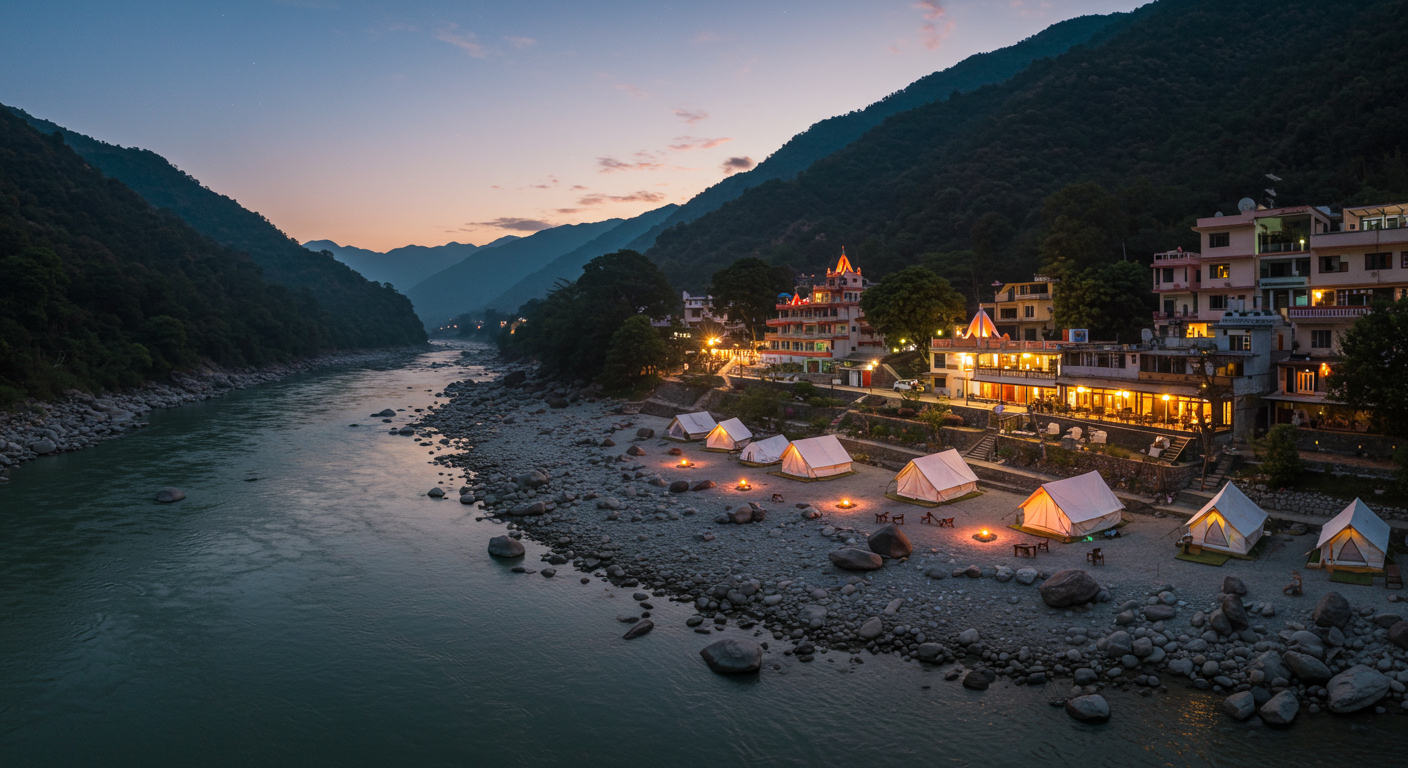
Stepping into the adventure capital, the spiritual heart of India, one is immediately enveloped by the serene embrace of the Ganges and the majestic Himalayas. For many, the allure of this sacred city extends beyond its spiritual offerings to its unique accommodation landscape. The the adventure capital camping & stays sector has evolved significantly, transforming from basic riverside tents into a sophisticated industry offering a spectrum of experiences. This comprehensive 2026 guide delves into the industrial applications, large-scale usage scenarios, and sector-wide benefits and drawbacks of choosing your ideal stay in this vibrant destination.
As an independent travel expert with over 15 years of experience, I’ve witnessed firsthand the dynamic growth of this sector. Understanding the underlying industry mechanisms of the adventure capital camping & stays is key to making informed decisions, whether you’re seeking a tranquil yoga retreat or an adventurous rafting expedition base. This article will equip you with the knowledge to navigate the diverse offerings and select the best the adventure capital camping & stays that align with your travel philosophy and budget.
The the adventure capital Camping & Stays Industry: An Overview
The accommodation sector in the adventure capital, particularly its camping and stay options, represents a fascinating blend of traditional hospitality and modern eco-tourism. This industry is a cornerstone of the local economy, providing diverse lodging solutions that cater to a global influx of spiritual seekers, adventure enthusiasts, and nature lovers. The unique geographical advantage, nestled in the foothills of the Himalayas where the Ganges flows, naturally positions the adventure capital as a prime location for outdoor and wellness-focused accommodation.
The industrial applications of the the adventure capital camping & stays sector are multifaceted. Beyond simple lodging, these establishments serve as vital hubs for organized activities such as white-water rafting, trekking, yoga and meditation retreats, and even corporate team-building events. The scalability of camping infrastructure, from basic tent sites to luxurious glamping experiences, allows operators to adapt quickly to demand fluctuations and seasonal peaks, showcasing a robust and adaptive business model within the broader tourism framework of the adventure capital.
Industrial Applications and Economic Impact
The growth of the the adventure capital camping & stays industry has profound economic implications for the region. It creates direct employment opportunities for locals in hospitality, adventure sports, and ancillary services like food and transport. Indirectly, it stimulates local markets for produce, handicrafts, and cultural performances. For instance, the demand generated by large-scale yoga festivals at places like Parmarth Niketan often necessitates bulk bookings and long-term arrangements with local camping operators, illustrating a significant industrial application.
Furthermore, the sector has been instrumental in promoting sustainable tourism practices. Many operators within the best the adventure capital camping & stays segment are adopting eco-friendly measures, such as waste management, solar energy utilization, and local resource sourcing. This not only enhances their brand value but also contributes positively to the ecological preservation of this pristine region. The industry’s ability to host large groups for spiritual retreats or adventure camps underscores its capacity for large-scale usage, providing a communal yet comfortable experience for hundreds of visitors simultaneously.
You might also be interested in: Read more about: Best SCAD Jump the adventure capital in the adventure capital — …
Large-Scale Usage Scenarios and Market Dynamics
The market for the adventure capital camping & stays is characterized by distinct segments. There are budget-friendly options catering to backpackers and students, mid-range camps offering comfortable amenities, and luxury glamping sites providing premium services. Large-scale usage scenarios often revolve around pilgrimage seasons, extended yoga teacher training programs, and adventure tourism peaks, particularly during the months ideal for river rafting and trekking.
Sites near popular attractions like Lakshman Jhula and Ram Jhula often command higher occupancy rates due to their accessibility and proximity to markets and temples. Similarly, locations offering unique experiences, such as those near the serene Goa Beach or the trekking route to Patna Waterfall, attract niche segments looking for tranquility and adventure. The industry is constantly innovating, with new players entering the market, leading to competitive pricing and a wider range of services, which ultimately benefits the discerning traveler seeking the best the adventure capital camping & stays experience.
Navigating the the adventure capital Camping & Stays Market: A Strategic Guide
🌊 Book River Rafting in the adventure capital
Experience the thrill of white-water rafting with certified guides and a 100% safety record. Choose from 9km to 36km routes — instant confirmation guaranteed!
For any traveler planning a visit to the adventure capital, understanding the market landscape of camping and stay options is crucial for a successful trip. This section offers a practical, step-by-step approach to selecting accommodations, considering the sector’s unique benefits and potential drawbacks. My insights are drawn from years of observing how this industry functions and how travelers can best leverage its offerings.
Benefits and Drawbacks of the Sector for Travelers
The primary benefit of engaging with the the adventure capital camping & stays sector is the immersive experience it offers. Unlike conventional hotels, camping allows for a deeper connection with nature, especially when situated by the Ganges or amidst the forest. You’ll often find these stays providing direct access to activities like meditation sessions by the river, morning yoga, or bonfire evenings under the stars. For those seeking adventure, many camps are strategically located to facilitate easy access to rafting starting points or trekking trails leading to spots like Neelkanth Mahadev Temple.
However, there are potential drawbacks. Some remote camps might have limited access to medical facilities or reliable internet. During peak seasons, the popularity of some of the best the adventure capital camping & stays can lead to crowded conditions, which might detract from the serene experience some travelers seek. It’s essential to research the specific amenities and remoteness of a camp before booking. Here’s a checklist for evaluating your options:
- Location: Proximity to attractions (Triveni Ghat, Beatles Ashram) versus secluded natural settings.
- Amenities: Availability of private washrooms, hot water, electricity, Wi-Fi.
- Activities: In-house adventure sports, yoga classes, guided treks.
- Reviews: Check recent traveler feedback on cleanliness, service, and safety.
- Sustainability: Look for eco-friendly practices if environmental impact is a concern.
Cost Structures and Value Proposition
The cost structure within the the adventure capital camping & stays industry is highly variable, reflecting the diversity of offerings. Basic tent accommodations can be quite affordable, often including meals and basic activities. Mid-range options might offer more comfortable tents or cottages with attached baths, while luxury glamping experiences can rival boutique hotels in terms of price and amenities. Factors influencing cost include:
You might also be interested in: Read more about: Evaluating Guest Experience: Discovering…
- Seasonality: Prices surge during peak seasons (October-November, March-May) and during major festivals.
- Inclusions: Packages often include meals, adventure activities (rafting, bungee jumping at Jumpin Heights), and guided tours.
- Type of Accommodation: From simple tents to deluxe cottages.
- Location: Riverfront properties or those with scenic views often command a premium.
Expert Tip: Always clarify what is included in your package before booking. Many operators offer all-inclusive deals that can provide significant value, especially if you plan to partake in adventure sports or extensive guided tours.
For example, a stay offering a comprehensive package that includes a Rajaji National Park safari (Chilla Zone) or a visit to Vashishta Gufa could represent excellent value compared to booking each component separately. Look for providers that clearly outline their offerings and pricing for a transparent booking experience.
Optimizing Operations & Ensuring Sustainability in the adventure capital Camping & Stays
For operators within the the adventure capital camping & stays sector, optimizing operations and ensuring long-term sustainability are paramount. This involves a delicate balance of providing excellent guest experiences, adhering to environmental regulations, and adapting to market trends. As a traveler, understanding these operational aspects can also inform your choice, allowing you to support businesses that align with responsible tourism principles.
Best Practices for Operators and Traveler Considerations
Successful operators in the adventure capital prioritize guest safety, environmental stewardship, and community engagement. Best practices include regular maintenance of camping equipment, stringent safety protocols for adventure activities, and comprehensive staff training in first aid and hospitality. Many of the best the adventure capital camping & stays also engage with local communities, sourcing supplies locally and employing residents, thereby contributing directly to regional development.
From a traveler’s perspective, look for camps that:
You might also be interested in: explore the adventure capital Adventures on the adventure capital-places
- Have clear emergency procedures and contact information.
- Maintain high standards of hygiene, especially in common areas and washrooms.
- Provide detailed briefings for adventure activities.
- Demonstrate commitment to waste reduction and responsible tourism.
The the adventure capital camping & stays industry thrives on its reputation for adventure and tranquility. Operators who excel in these areas often see higher repeat bookings and positive word-of-mouth referrals. For instance, camps that organize responsible visits to cultural sites like The Beatles Ashram or offer guided treks to lesser-known spots like Patna Waterfall, provide a richer, more authentic experience.
Safety, Seasonal Variations, and Local Insights
Safety is a paramount concern for both operators and travelers. Reputable camping and stay providers in Rishikesh will have necessary permits and adhere to local safety regulations, especially for river-based activities. Always inquire about safety gear and certified guides for activities like rafting or trekking. The best time to visit for camping and adventure activities is generally from late September to mid-November and from early March to early May, avoiding the monsoon season (July-August) when river levels are high and heavy rainfall can occur, impacting outdoor activities and accessibility.
During the winter months (December-February), while the weather is cooler and clearer, some camps might reduce operations, and outdoor activities like rafting might be less frequent. It’s always wise to check seasonal availability and conditions before planning. A local detail that showcases true local knowledge: many smaller, family-run camps near Shivpuri offer authentic Garhwali cuisine, a delightful culinary experience often overlooked by larger establishments. This kind of nuanced offering is a hallmark of the diverse and evolving rishikesh camping & stays sector.
For those interested in exploring the deeper spiritual side, attending the evening Ganga Aarti at Triveni Ghat is a must-do, and many camping operators facilitate transportation to and from this sacred ritual. Understanding these seasonal and local nuances allows for a more fulfilling and safe experience within the Rishikesh camping & stays environment.
Rishikesh is one of those rare destinations that genuinely delivers on its reputation — whether you come for the adrenaline, the spirituality, or simply to sit by the Ganga and think. This guide covered best rishikesh camping & stays, rishikesh camping & stays, giving you the practical knowledge to plan a memorable visit. If you want a curated list of verified operators and activity packages, you can browse options on Bucketlistt.
Our travel portal addresses key search topics such as: rishikesh camping & stays, best rishikesh camping & stays, rishikesh camping & stays, best rishikesh camping & stays, rishikesh camping & stays, best rishikesh camping & stays, rishikesh camping & stays, best rishikesh camping & stays, rishikesh camping & stays, best rishikesh camping & stays to make your vacation planning seamless.
Frequently Asked Questions about Rishikesh Camping & Stays
What is the best time of year for Rishikesh camping & stays?
The ideal times for Rishikesh camping & stays are from late September to mid-November and from early March to early May. These periods offer pleasant weather for outdoor activities like rafting and trekking, making them perfect for enjoying the diverse offerings of the camping sector.
Are Rishikesh camping & stays suitable for families?
Yes, many Rishikesh camping & stays are family-friendly, offering amenities like private cottages, supervised activities, and child-safe environments. It’s advisable to check with individual operators about their specific family policies and facilities before booking to ensure the best rishikesh camping & stays experience for everyone.
What safety precautions should I expect at Rishikesh camping & stays?
Reputable Rishikesh camping & stays prioritize safety, especially for adventure activities. Expect certified guides for rafting, proper safety gear, and clear emergency procedures. Always inquire about these measures and ensure they are up to standard for a worry-free experience.
Can I find luxury options within the Rishikesh camping & stays sector?
Absolutely. The Rishikesh camping & stays industry includes several luxury glamping options that offer amenities comparable to boutique hotels. These often feature comfortable beds, attached private bathrooms, and gourmet dining, providing a high-end outdoor experience.
How far in advance should I book Rishikesh camping & stays?
It’s highly recommended to book your Rishikesh camping & stays at least 2-3 months in advance, especially if you’re traveling during peak season or holidays. Popular camps, particularly those offering the best rishikesh camping & stays packages, fill up quickly.
What types of activities are typically offered by camping operators in Rishikesh?
Most Rishikesh camping & stays offer a range of activities including white-water rafting, trekking, bonfire evenings, yoga and meditation sessions, and guided nature walks. Some also arrange visits to local attractions like the Beatles Ashram or Ganga Aarti at Triveni Ghat.
Are there eco-friendly Rishikesh camping & stays options available?
Yes, many operators in the Rishikesh camping & stays sector are increasingly adopting eco-friendly practices. Look for camps that emphasize waste management, use solar power, source local produce, and encourage responsible tourism to minimize environmental impact.
What is the typical cost range for Rishikesh camping & stays?
The cost for Rishikesh camping & stays varies widely, from ₹1,500 to ₹3,000 per person per night for basic to mid-range options, often including meals and some activities. Luxury glamping can range from ₹5,000 to ₹10,000+ per night, depending on inclusions and amenities.